Positive Reinforcement Techniques for Dog Training in Urban Environments
The Importance of Positive Reinforcement in Dog Training
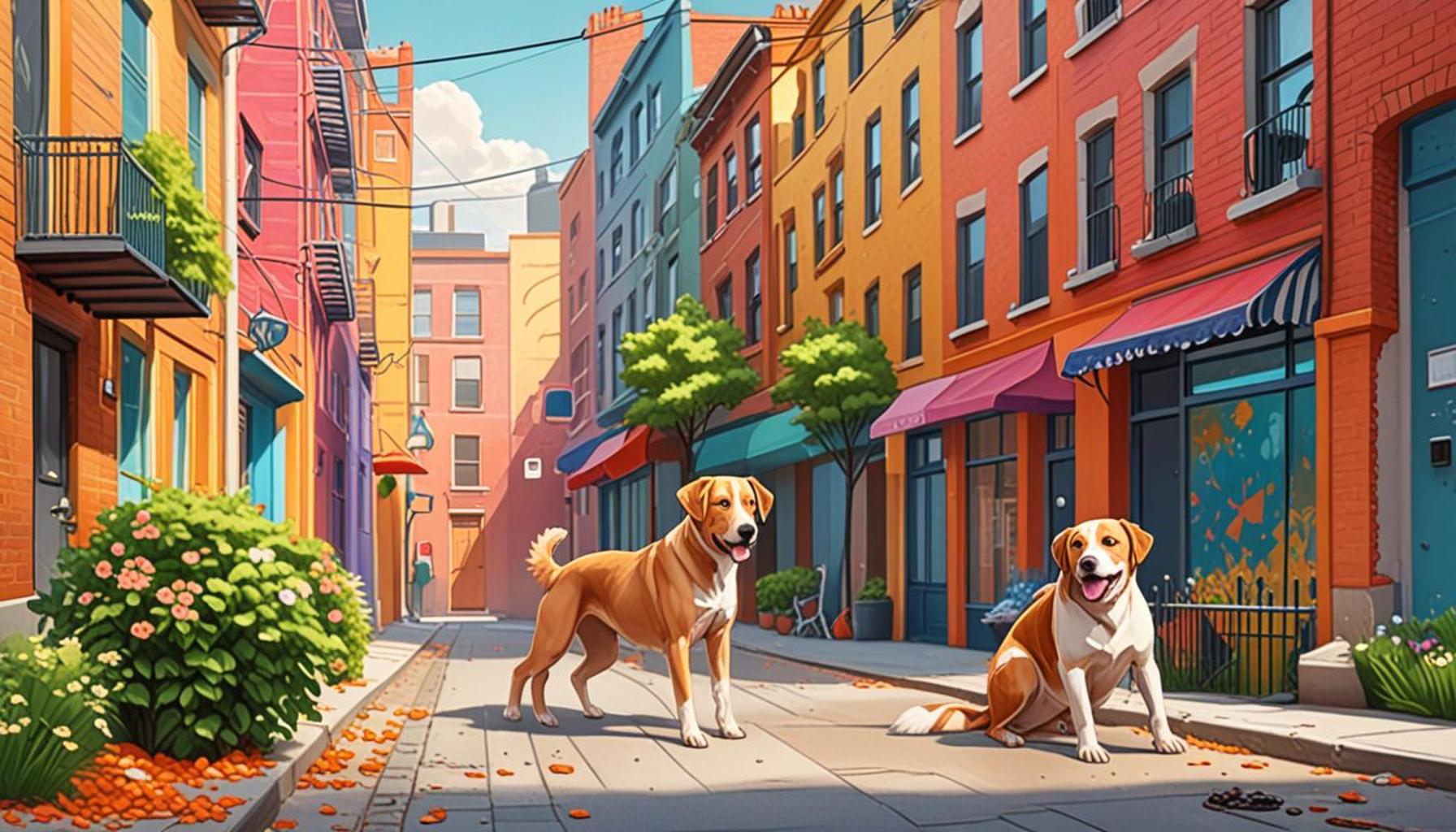
Training dogs in urban environments like Lagos or Abuja presents unique challenges that require tailored strategies for success. The bustling streets filled with honking cars, street vendors calling out, and the constant flow of people can create distractions that complicate obedience training. In such settings, effective training techniques are vital for ensuring your dog’s safety and well-being.
One approach that stands out for its effectiveness is positive reinforcement. This method centers on rewarding desirable behaviors rather than using punishment for undesirable actions, thereby cultivating a nurturing and trusting bond between you and your furry friend. By using this approach, you can create a more harmonious living experience in the urban chaos.
Why Embrace Positive Reinforcement?
- Enhances Learning: Dogs are more likely to repeat behaviors that result in positive outcomes. For instance, rewarding your dog with a treat or verbal praise when they sit calmly despite a noisy environment reinforces this behavior, making it more likely to occur in the future.
- Reduces Anxiety: Urban areas can be overwhelming for dogs, leading to anxiety or fear. Positive interactions, such as gentle petting or encouragement, help soothe your pet during stressful situations, allowing them to feel secure amidst the hustle and bustle.
- Increases Enjoyment: Training sessions can be enjoyable for both you and your dog when they are framed around positive reinforcement. Instead of viewing training as a chore, both of you can find joy in the process, leading to a more engaged and well-behaved companion.
In Nigeria’s vibrant urban landscape, dog owners encounter distinct circumstances. The proximity of busy markets and the chaos of street life can trigger heightened levels of anxiety or excitement in dogs. This is precisely why embracing positive reinforcement is especially crucial in these environments.
Utilizing rewards, such as small treats or enthusiastic verbal praise at the right moment, can significantly influence a dog’s behavior as you navigate crowded streets or parks filled with distracting sounds and sights. For example, if your dog remains calm while passing by a food stall, offering a reward reinforces that calmness, encouraging similar behavior in the future. As you hone these training techniques, you’ll discover not only improved obedience but also richer and more enjoyable daily experiences with your canine companion.
Ultimately, investing time in learning about and implementing positive reinforcement will enhance your dog’s overall well-being and your relationship together. The rewards will manifest not only in good behavior but also in a deeper bond and greater joy in the urban adventure you share.
SEE ALSO: Click here to read another article
Effective Techniques for Positive Reinforcement in Urban Settings
Understanding how to implement positive reinforcement techniques in urban environments is key to achieving lasting progress in your dog’s training. Given the distinct challenges found in cities like Lagos and Abuja—where noise, crowds, and numerous distractions abound—tailoring your training approach is essential. Here are various strategies to integrate positive reinforcement into your training routine effectively.
Rewarding Desired Behavior
One of the cornerstone techniques of positive reinforcement is the immediate reward for favorable behaviors. When training your dog, timing is everything. For instance, if your dog successfully responds to a “sit” command amidst the distracting sounds of a bustling street, administering a treat or praise right away helps your dog associate the action with a positive outcome. This immediate connection encourages them to repeat the behavior in similar situations.
- Use High-Value Treats: In environments overflowing with distractions, opt for treats that your dog finds especially enticing. This could be a piece of chicken or a favorite dog biscuit. High-value treats are more likely to capture their attention, helping them focus on your commands.
- Incorporate Playtime: Dogs love to play, and including toys or playtime as a reward reinforces good behavior while making the training sessions more enjoyable. A game of fetch or tug-of-war can act as an excellent reward for obeying a command in a busy setting.
- Verbal Praise and Affection: Dogs are incredibly responsive to the sound of your voice. Add an enthusiastic “Good boy!” or “Well done!” along with petting as immediate positive feedback when they perform well. This makes the training sessions more personal and strengthens your bond.
Gradual Conditioning to Urban Distractions
One effective technique is to gradually expose your dog to increasing levels of distractions while maintaining a focus on positive reinforcement. Start training in a quieter location, rewarding your dog for keeping their attention on you. Step by step, introduce them to busier areas—such as local parks or plazas—and apply the same reinforcement strategies. This gradual conditioning helps your dog learn to cope with the urban environment while consistently responding positively to commands.
For example, when your dog can follow commands flawlessly in a calm park, take that next step to a busier street. Reward them for staying focused on you, even when surrounded by the excitement of street performers or the aroma of food stalls. Reinforcing this behavior consistently helps solidify their attention and obedience amidst urban chaos.
Using these techniques, dog owners can successfully navigate the challenges of training in urban settings. The road to a well-behaved dog in a bustling city may require patience and creativity, but the rewards will be evident in both your dog’s behavior and your shared experiences.
| Technique | Benefits |
|---|---|
| Clicker Training | Promotes clear communication and encourages desired behaviors effectively in noisy environments. |
| Treat Rewards | Strengthens the bond between dog and owner while providing motivation to learn in a crowded urban setting. |
| Socialization Opportunities | Encourages dogs to become well-adjusted to urban stimuli, decreasing anxiety and promoting confidence. |
| Games and Play | Engages dogs mentally and physically, resulting in better focus during training sessions in bustling locations. |
In urban environments, utilizing positive reinforcement techniques such as clicker training and treat rewards can significantly enhance the training experience for dogs. Clicker training effectively establishes a clear line of communication, allowing dogs to understand commands amidst the hustle and bustle of city life. The rewarding nature of treats not only motivates dogs to learn but also reinforces the bond with their owners, making training sessions enjoyable.Socialization is crucial in urban settings, where dogs encounter various stimuli. By exposing them to diverse environments in a positive manner, dogs can become more confident and less anxious. Incorporating games and play into training routines promotes mental stimulation, enhancing dogs’ ability to focus on commands and tasks, even in distracting surroundings. Exploring these positive reinforcement techniques can unlock a world of potential for urban dog training, ensuring that dogs thrive in challenging environments.
RECOMMENDED: Check out this similar article
Building a Comprehensive Training Routine
Incorporating positive reinforcement techniques into a comprehensive training routine is paramount for dog owners living in urban environments. The hustle and bustle of city life can overwhelm dogs, making it crucial to implement a systematic approach that addresses potential stressors while reinforcing positive behaviors. Below are some effective strategies to create a well-rounded training experience.
Incorporating Impulse Control
Impulse control is a vital skill for any urban dog, given the myriad of distractions they encounter daily. To develop this skill through positive reinforcement, training sessions can include exercises like “leave it” and “wait.” These commands teach dogs to resist the temptation to chase after items or engage with other dogs or people. Start with lower-distraction environments, rewarding your dog for maintaining self-control. Gradually introduce higher-distraction circumstances by taking your dog to busy streets or markets, providing rewards for their ability to remain calm and focused.
Frequent Short Training Sessions
Short, frequent training sessions can be more effective than longer sessions, particularly in high-energy urban settings. Consider breaking your training routine into multiple brief intervals during the day. This not only prevents your dog from losing interest but also allows you to reinforce good behavior consistently. For instance, a quick five-minute session in the morning around your living room can establish a solid foundation before performing another session during a walk in the park later that day. Each successful command followed by a reward reinforces the learned behaviors.
Utilizing Environmental Enrichment
In urban areas, environmental enrichment can significantly enhance your dog’s training experience. Exposure to new and varied stimuli helps keep their minds sharp and engaged. Use short outings to different neighborhoods or parks as training opportunities. By rewarding your dog for remaining focused in new environments, you actively prepare them to handle urban distractions. For example, taking your dog to a local café or a dog-friendly store can serve as a vibrant setting for practicing obedience commands while enjoying positive reinforcement through treats or praise.
Socialization with Other Dogs
Socialization is a critical aspect of training in urban environments. It is essential to expose your dog to other dogs and various types of people while using positive reinforcement techniques. Arrange playdates with trusted companions whose dogs exhibit good behavior. This ensures your dog learns to interact positively while also getting rewarded for appropriate play and social behavior. If you’re near a dog park, be observant and attach a reward when they display polite greetings or self-restraint when encountering other dogs.
Apart from establishing the positive behaviors you’d like to see, urban dog training should emphasize safety measures like teaching your dog to respond to their name amidst distractions. Urban sounds, such as traffic and construction, can be distracting; therefore, solidifying reliable responses will ensure their safety and further your training efforts. In this way, both you and your dog can enjoy peace of mind amidst the vibrant chaos of city life.
By understanding and implementing these comprehensive training techniques, dog owners can leverage the advantages of positive reinforcement effectively, leading to well-mannered companions who thrive in urban landscapes.
CHECK OUT: Click here to explore more
Conclusion
As urban living becomes increasingly common, the need for effective and engaging dog training techniques is more crucial than ever. Emphasizing positive reinforcement techniques not only cultivates well-behaved dogs but also strengthens the bond between owner and pet. In bustling city environments, it’s essential to tailor training methods that acknowledge the unique challenges of urban life, such as crowded streets, distracting sounds, and unfamiliar situations.
By focusing on impulse control, environmental enrichment, and socialization, urban dog owners can nurture their dogs’ adaptability and resilience while simultaneously ensuring their safety. Using short, frequent training sessions allows for effective reinforcement and helps maintain your dog’s focus and enthusiasm for learning. These strategies are especially relevant in Nigeria’s vibrant urban centers, where the interactions and stimuli can pose both opportunities and challenges for pets.
In conclusion, understanding and implementing positive reinforcement techniques is key to navigating the complexities of dog training in urban settings. By fostering a calm and engaging atmosphere, pet owners can create confident and well-mannered companions who thrive amid the excitement of city life. Investing time and effort in these methods will not only lead to immediate benefits but also pave the way for ongoing, positive behaviors as your dog matures. Embrace this journey of training, as the rewards are abundant, enriching both your life and that of your four-legged friend.