Natural Foods vs. Commercial Feed: What is Better for Pet Nutrition?
Exploring Pet Nutrition Choices
The strong interest surrounding the best nutrition for pets reflects a growing consciousness among pet owners about the ingredients in their furry friends’ food. As many families in Nigeria increasingly view pets not just as animals, but as cherished family members, they often grapple with the decision: should they choose natural foods or commercial feed? This choice holds significance not only for the health of their pets but also for their overall well-being.
Natural Foods: The Whole Ingredients Approach
Natural foods typically emphasize whole ingredients, valuing freshness and quality. These products often showcase proteins like chicken, beef, or fish alongside grains and vegetables—ingredients pet owners can recognize and even relate to. For instance, many local dog owners in Nigeria prepare meals that include rice, beans, fish, and assorted vegetables, often reflective of the diverse Nigerian table. The perception is that such meals offer more nutrients, free from the over-processing that can strip food of its natural essence.
Additionally, opting for homemade meals allows for greater customization based on individual pet health needs. For example, a dog with allergies may benefit from meals made without certain grains, tailored specifically to its dietary requirements. However, it is essential to research and ensure that homemade pet food meets all nutritional needs to avoid deficiencies.
Commercial Feed: Convenience and Marketing
On the other hand, commercial feed often prides itself on convenience and reliability. These products come fortified with essential vitamins and minerals, designed to provide balanced nutrition in a compact form. However, not all commercial brands are equal; many utilize fillers or low-quality ingredients primarily aimed at cost reduction. In Nigeria, brands imported from abroad might seem appealing, but pet owners should scrutinize these products for their ingredient lists and the nutritional balance they offer.
Understanding Health Benefits and Drawbacks
Both natural foods and commercial feeds present their unique health benefits and challenges. While natural foods can deliver fresher nutrients, commercial options often provide a well-rounded source of vitamins that are specifically tailored for various life stages of pets. Furthermore, commercial foods can offer a level of consistency in nutritional content that might be difficult to achieve with homemade alternatives.
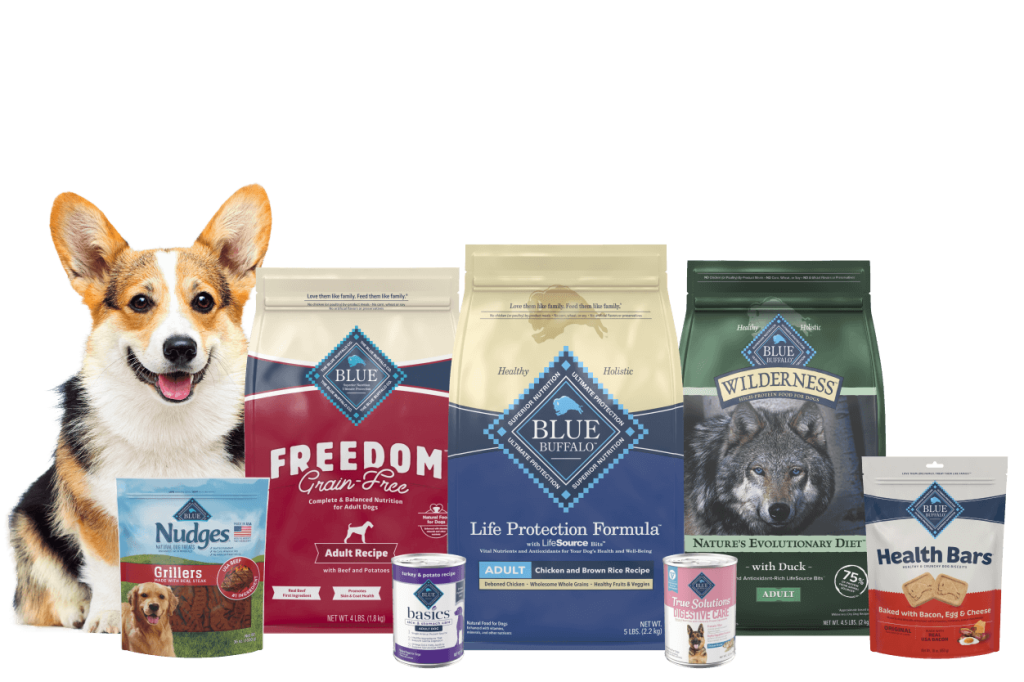
However, the ever-evolving landscape of pet health awareness in Nigeria also calls for a more nuanced understanding. Local veterinarians and animal nutritionists emphasize the importance of consulting professionals when choosing feeding options. An expert can provide insights into which choices align best with the local economy and lifestyle. A balanced approach that considers both natural and commercial feeds may ultimately lead to healthier, happier pets.
As the exploration of pet nutrition continues, it is paramount for pet owners to stay informed. By weighing the pros and cons of each option, as well as seeking advice from trusted sources, pet owners can confidently navigate the evolving world of pet nutrition, ensuring their beloved companions thrive.
CHECK OUT: Click here to explore more
Natural Foods vs. Commercial Feed: The Nutritional Debate
When it comes to the nutrition of pets, the debate between natural foods and commercial feed often draws passionate opinions from pet owners and experts alike. Each side offers compelling arguments that can sway the decision-making process, especially in a country like Nigeria, where cultural dietary practices can significantly influence what is fed to pets. As we delve deeper into these feeding options, it becomes evident that the choice extends beyond preference, touching upon health implications and lifestyle considerations.
Benefits of Natural Foods
Advocates of natural foods assert that these diets offer several advantages, making them a popular choice among conscientious pet owners. Here are some prominent benefits:
- Quality Ingredients: Natural foods prioritize whole, recognizable ingredients free from artificial additives and preservatives. This not only aligns with the trend toward clean eating but also provides pets with nutrient-rich meals.
- Freshness: The preparation of fresh meals means that pets may receive higher levels of vitamins, minerals, and other nutrients that diminish over time in processed foods.
- Customization: Natural diets can be tailored to meet the specific health needs of pets, which is particularly important for those with allergies or other dietary restrictions.
In Nigeria, many pet owners have embraced feeding their animals home-cooked meals that reflect traditional dishes. It isn’t uncommon for dogs to enjoy rice with fish or chicken, combined with local vegetables, supporting not just their health but also creating a sense of family bonding during meal preparation.
Challenges of Choosing Natural Foods
However, the journey to offering natural foods is not without its obstacles. Pet owners must be highly informed to ensure meals are balanced and provide all essential nutrients. A common pitfall is the potential for nutrient deficiencies if diets lack variety or if pet owners aren’t vigilant about the nutritional balance. Additionally, time and financial investment can be significant, as preparing meals from scratch often requires both effort and resources that some owners may find challenging to maintain.
Insights into Commercial Feed
Turning to commercial feed, many pet owners appreciate its convenience and the availability of specialized formulas. These products are engineered to provide balanced, nutrient-rich meals, often containing added minerals and vitamins tailored to specific life stages or health conditions.
- Consistent Quality: Most reputable brands adhere to strict manufacturing practices, ensuring a consistent nutritional profile in each serving.
- Convenience: For busy families, ready-to-eat kibble or canned food eliminates the need for preparation and cooking, allowing pet ownership to fit seamlessly into daily life.
- Research-Backed Formulas: Many commercial brands invest in research to create foods that cater to the unique dietary needs of pets, which can be advantageous for those with specific health issues.
Nonetheless, pet owners need to navigate the landscape of commercial feeds carefully. Some products on the market may contain low-quality ingredients or fillers designed to bulk up content without providing real nutritional value. In Nigeria, both local and imported brands face scrutiny regarding ingredient lists and sourcing practices, making it essential for owners to conduct thorough research.
As this nutritional debate unfolds, understanding the advantages and challenges of both natural foods and commercial feed sets the stage for informed decision-making, guiding pet owners toward what is best for their beloved companions.
| Category | Advantages |
|---|---|
| Natural Foods | Whole ingredients, typically free from artificial additives, offering a rich nutrient profile. |
| Commercial Feed | Convenience and consistent nutrient content, with a focus on formulated balance for pets. |
| Customizable Nutrition | Natural diets can be tailored to meet individual health needs and preferences. |
| Cost Efficiency | Commercial options often provide value through bulk purchasing, making retrieval easier for owners. |
In the continual debate between natural foods and commercial feed for optimal pet nutrition, understanding the nuances in their advantages is essential. Natural foods present a wealth of benefits, harnessing high-quality, unprocessed ingredients that enhance a pet’s overall health. For instance, pets consuming a diet rich in natural elements often exhibit not just improved vitality but also effective weight management due to better digestibility.On the flip side, commercial feed provides a level of convenience that resonates with busy pet owners. With a formula engineered to meet specific dietary requirements, it ensures pets receive balanced nutrition consistently. Furthermore, commercial brands frequently invest in research and development to enhance palatability and nutrient bioavailability, which can mean greater health outcomes for pets over their lifetime.Hence, while both options harbor their respective strengths, the choice largely depends on the pet owner’s lifestyle and the specific needs of their furry companions. Exploring these dimensions further can illuminate the path toward making informed dietary decisions for our beloved pets.
SEE ALSO: Click here to read another article
Evaluating the Impact on Pet Health
As pet owners scrutinize the merits of natural foods versus commercial feed, one of the most important considerations is the overall impact on pet health. Both feeding options can significantly affect a pet’s well-being, energy levels, and longevity. Understanding how each option influences health can guide pet owners in making the right choice.
The Role of Nutritional Balance
One of the primary concerns for pet owners considering natural foods is achieving a balanced diet. A properly formulated natural diet can promote better digestion, stronger immunity, and enhanced energy levels. For instance, pets that consume whole foods rich in antioxidants, such as fruits and vegetables, may experience improved health outcomes. These ingredients support cellular health and can even reduce the risk of chronic diseases common in pets.
In contrast, commercial feeds are conveniently formulated to provide a complete nutritional profile. Brands often create formulas based on comprehensive research, ensuring that key vitamins and minerals are included. For example, a premium dog kibble may possess a blend of protein, fats, carbohydrates, and essential nutrients like Omega-3 fatty acids, all engineered to meet the dietary requirements of a growing puppy or an aging dog. This can simplify the task for pet owners who may lack the knowledge of pet nutrition.
Digestive Health Considerations
Many pet owners report improvements in digestion when switching to natural foods. Whole, fresh ingredients are generally easier for pets to digest, potentially resulting in smaller, firmer stools and a decrease in gastrointestinal issues. In contrast, some commercial feeds, especially those containing fillers or low-quality ingredients, can lead to digestive problems. A study published in a veterinary nutrition journal highlighted that pets consuming low-grade commercial diets often reported higher occurrences of allergies and sensitivities.
This insight resonates strongly in Nigeria, where some may prefer locally sourced ingredients that are fresher and minimize the risk of additives found in imported commercial feeds. However, pet owners need to be mindful of the potential for contamination in certain natural foods, especially if they are not sourced from reputable providers. Maintaining good hygiene practices during food preparation is crucial for preventing foodborne illness.
Cost-Effectiveness and Accessibility
Another vital factor influencing the decision between natural foods and commercial feed is cost and availability. While a natural diet may seem more healthful, it can sometimes be pricier and more challenging to maintain consistently. Ingredients like high-quality meats, whole grains, and fresh produce can add up, particularly in urban areas of Nigeria where access may be limited.
On the other hand, commercial feeds offer a range of price points, making them accessible to a broad spectrum of pet owners. Even within Nigeria, there are numerous local brands offering quality options at various price ranges. Brand loyalty is often built on perceived value, as owners aim to balance cost with nutritional quality.
Long-term Health Outcomes
Ultimately, the choice between natural foods and commercial feed comes down to long-term health outcomes. Research continues to evolve, revealing that pets fed balanced diets—regardless of the source—tend to thrive. A study from an animal nutrition conference noted that dogs who received tailored diets, whether homemade or commercial, experienced fewer health issues in later life compared to those on generic diets. Conducting thorough research, considering both nutrition science and anecdotal evidence, will lead pet owners closer to a solution that best suits their beloved animals.
As this debate rages on, one thing remains clear: regardless of the feeding choice, prioritizing high-quality nutrition is essential for ensuring the quality of life of our pets.
ADDITIONAL INSIGHTS: Expand your understanding here
Final Thoughts on Pet Nutrition Choices
In the ongoing debate of natural foods versus commercial feed, one thing remains abundantly clear: the health and happiness of our pets hinge upon the creation of balanced, nutritious diets that cater to their unique needs. Both natural foods and commercial feeds have their distinct advantages, and the right choice often depends on individual circumstances, including budget, availability, and the specific dietary requirements of our furry companions.
Many pet owners in Nigeria are increasingly leaning towards natural foods, resonating with the notion that fresh, whole ingredients can lead to healthier outcomes. The appeal of reducing preservatives and additives resonates strongly with those who have witnessed firsthand the digestive improvements in their pets. However, this approach requires careful planning and knowledge about nutritional balance to truly ensure that pets receive all the necessary vitamins and minerals they need.
Conversely, commercial feed brands offer convenience and assurance that the nutritional needs of pets are being met comprehensively. The scientifically formulated blends cater to a variety of life stages and health conditions, providing a reliable option for busy pet owners. In many urban areas, locally produced commercial options help minimize costs while maintaining quality, making it easier for a wide range of pet owners to ensure their pets thrive.
Ultimately, the pursuit of optimal pet nutrition should be a journey of exploration and learning. Whether you choose natural foods or commercial feed, prioritizing quality ingredients and maintaining a well-informed understanding of pet dietary needs will empower pet owners to make choices that enhance the lives of their beloved companions. As we navigate this path, let us keep the dialogue open and continue to seek out information that fosters the best possible health for our cherished pets.