Preventive Pet Care Boost Family Health with Proactive Measures
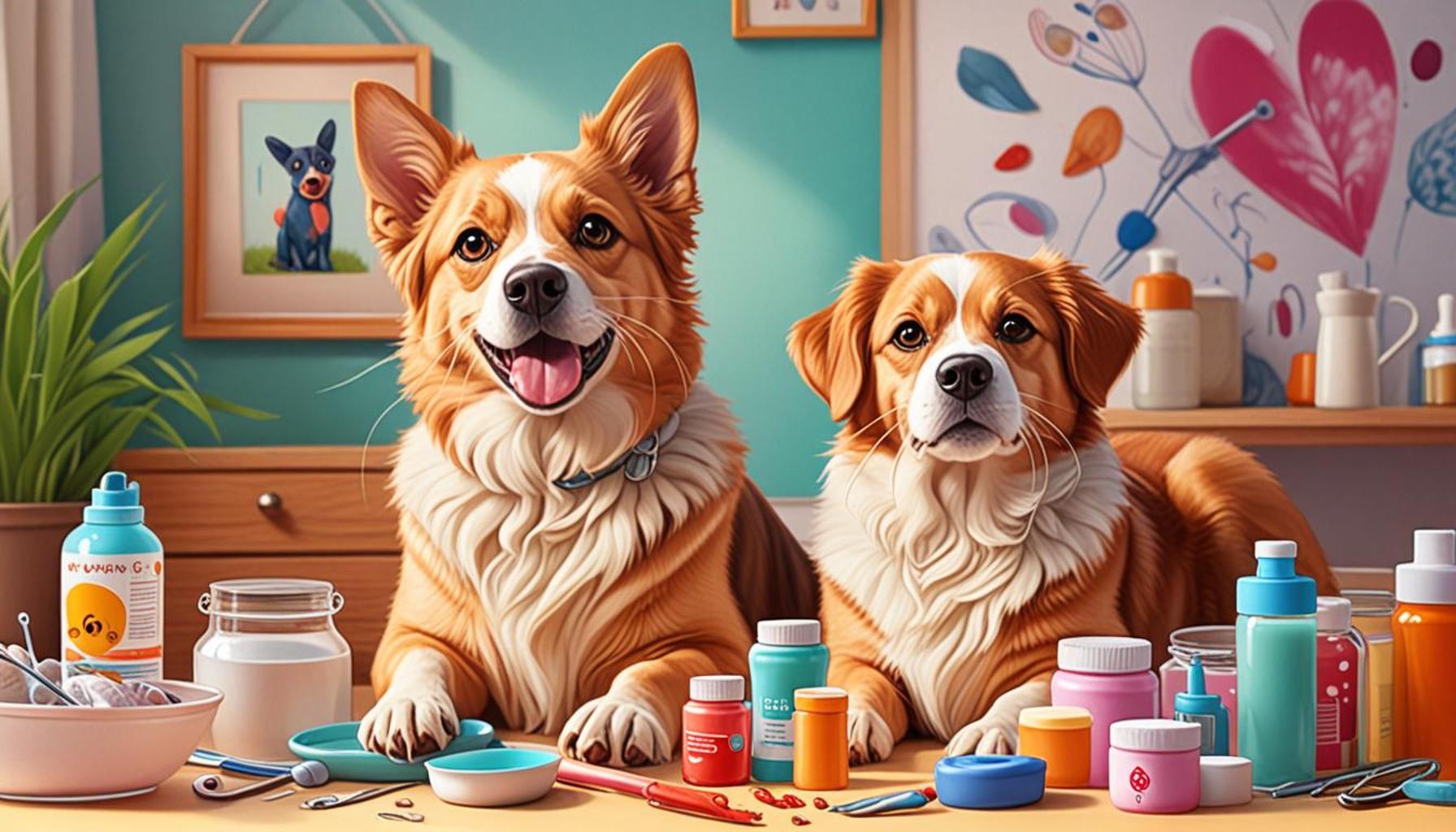
Taking care of pets goes beyond ensuring they have food and shelter; it involves proactive measures that protect both their health and the wellbeing of the family. As beloved family members, pets can impact our daily lives in remarkable ways, influencing our physical and emotional health. In this context, preventive care emerges as a critical component in nurturing not just our pets but also the entire family unit.
Among the numerous benefits of preventive care, consider:
- Early detection of diseases can save both money and heartache.
- Vaccinations and routine check-ups can reduce the incidence of zoonotic diseases.
- Preventive care can lead to longer, healthier lives for pets, enriching family bonds.
This article will delve into the Top 5 preventive health care measures that every pet owner should consider. By embracing these strategies, families can foster a nurturing environment that assesses and uplifts the health of both their pets and themselves.
Top 5 Preventive Health Care Practices for Pets and Their Significance in Family Health
In the quest for a healthy lifestyle, it’s easy to overlook the pivotal role that our pets play in the equation. A pet isn’t just an animal that lives in our homes; they are cherished family members whose health directly affects the dynamic of the household. Integrating preventive health care for pets is a strategic step not only to elongate their lives but to ensure the overall well-being of every family member. Below, we explore the top five preventive health care practices for pets and reveal why they are vital for fostering a harmonious and healthy environment at home.
5. Regular Veterinary Check-ups
Regular veterinary visits form the backbone of effective pet care. Detecting illnesses early is paramount as it facilitates timely intervention, which can significantly improve the prognosis of many conditions. During these check-ups, vets can perform comprehensive examinations to uncover subtle signs of health issues that could remain unnoticed by even the most observant pet owners.
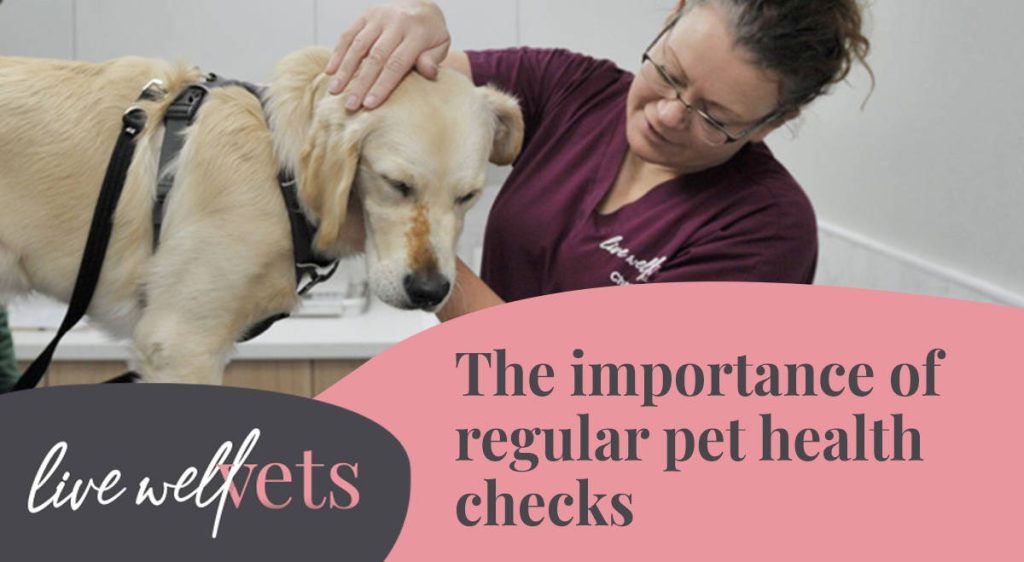
Annual wellness exams are essential for all pets to monitor their health and identify any potential problems early. However, some pets require more frequent visits, especially senior animals or those with pre-existing health conditions. Additionally, certain breeds are predisposed to specific health problems and may benefit from more vigilant monitoring.
- Administering vaccines for disease prevention, such as rabies and distemper, ensures both pet and family safety.
- Routine blood tests and diagnostic screenings to keep track of health indicators.
- Healthy weight monitoring to prevent obesity-related issues.
4. Nutrition and Diet Management
The adage “you are what you eat” holds just as true for pets as it does for humans. A nutritious diet is fundamental to preventing obesity and its myriad complications, such as diabetes, joint issues like arthritis, and heart diseases. Optimal nutrition supports immune health, energy levels, and overall well-being.
Navigating pet nutrition can be complex, as dietary needs vary significantly among species, breeds, ages, and activity levels. Engaging a veterinarian in developing a personalized meal plan ensures that pets receive balanced nutrition in accordance with their unique requirements.
Consider these factors:
- Read labels carefully; look for foods that list meat as the first ingredient and avoid those high in fillers.
- Consider a variety of diet options, such as raw diets, grain-free kibble, or home-cooked meals, based on veterinary guidance.
3. Parasite Prevention
Parasites such as fleas, ticks, heartworms, and intestinal worms are more than discomfort for pets; they are potential vectors for zoonotic diseases, which can be transmitted from animals to humans. Implementing preventive treatments can mitigate these risks, ensuring that both pets and humans stay healthy.
The key to effective parasite control lies in a combination of methods:
- Administer monthly preventatives suited to your pet’s specific needs and environmental exposure.
- Regularly groom your pets and check for ticks, especially after outdoor activities in wooded or grassy areas.
- Promptly treat infestations and thoroughly clean pet bedding and living areas.
Educating family members about parasite prevention and hygiene encourages a collective effort towards holistic pet care.
2. Dental Care
Much like in humans, oral hygiene is crucial for pets’ overall health. Poor dental health can contribute to severe health problems, including heart, liver, and kidney diseases, often due to bacteria entering the bloodstream through diseased gums.
Integrating dental care into pets’ routines can drastically reduce the risk of such complications:
- Brush your pet’s teeth regularly using pet-specific toothpaste to prevent plaque buildup.
- Incorporate dental treats and diets designed to promote oral health.
- Schedule regular dental cleanings with your veterinarian.
Ensuring good oral hygiene improves pets’ quality of life and can contribute positively to the family’s overall health ecosystem.
1. Spaying and Neutering
Spaying and neutering are critical not only to control the pet population but also to promote better health and behavior in animals. These procedures help prevent cancers associated with the reproductive organs and reduce unwanted behaviors like aggression and marking.
Educating families on the benefits of spaying and neutering can lead to informed decisions that promote household tranquility:
- Reduced risks of certain types of cancers, including testicular and ovarian cancers.
- Decrease in aggressive and territorial behaviors, creating a more harmonious home environment.
- Mitigation of the overpopulation crisis, which burdens animal shelters and rescue organizations.
Spaying and neutering not only enhance pets’ well-being but also ensure a more stable family atmosphere, free from the stress of unexpected litters or behavior issues.
In conclusion, prioritizing preventive healthcare for pets extends beyond enhancing their lives; it fortifies the health and well-being of the entire family. By incorporating these essential practices into your pet care routine, you can contribute to a stable, healthy, and happy home environment. Stay informed and consult with veterinarians as needed to ensure your beloved pets receive the best preventive care possible.
| Category | Details |
|---|---|
| Regular Veterinary Check-Ups | Routine visits to the veterinarian help identify potential health issues early on before they escalate, ensuring better long-term care. |
| Vaccination Programs | Keeping pets up-to-date with vaccinations protects not only their health but also reduces the risk of zoonotic diseases that can affect family members. |
| Healthy Nutrition | A balanced diet tailored to their specific needs enhances their vitality and keeps pets healthier, which indirectly promotes family well-being. |
| Preventive Medications | Regular administration of flea, tick, and heartworm preventatives reduces the risk of infestations and related health issues, benefiting the entire household. |
In the intricate relationship between pets and family health, preventive care for pets emerges as a critical component. Regular veterinary check-ups allow for early detection of health problems, which can save not just financial resources but also the emotional distress associated with severe pet illnesses. The benefits extend beyond the pet; they increase familial safety by minimizing the potential transmission of diseases from pets to humans.Vaccination remains one of the most significant preventive actions that pet owners can undertake. Ensuring that pets are up-to-date on vaccinations can safeguard against various infectious diseases that not only threaten the pets’ well-being but also pose risks to human health, especially in households with young children or elderly members.A focus on healthy nutrition cannot be overlooked. Feeding pets a diet rich in essential nutrients fosters a robust immune system. Healthy pets contribute to a healthier household environment, as their vitality can encourage family members to engage in more physical activities, like regular walks or playtime.Additionally, preventive medications are essential in curtailing the risk of parasitic infections. Heartworm, fleas, and ticks can harbor diseases that may disrupt family harmony. By actively protecting pets from these dangers, families can cultivate a safer and more enjoyable space, reinforcing the bond between humans and their furry companions. Understanding and prioritizing these preventive health measures for pets not only enhances the pets’ quality of life but also fortifies the health and happiness of the entire family unit.
Frequently Asked Questions about Preventive Health Care for Pets and Its Importance in Family Health
Why is preventive health care for pets crucial for the entire family’s well-being?
Preventive health care for pets is more than just keeping your furry friends healthy—it’s about safeguarding your whole family. Pets can sometimes carry diseases transmissible to humans, often referred to as zoonoses. Regular veterinary check-ups, vaccinations, and parasite control can significantly reduce these risks, ensuring both pets and family members remain in good health.
What are the essential preventive health measures I should consider for my pet?
Key preventive measures include routine vaccinations, regular parasite control (for fleas, ticks, and worms), dental care, and annual health check-ups with a veterinarian. These steps not only protect your pet from common illnesses but also minimize the risk of spreading diseases within your household, reinforcing healthier environments for all.
How does having a healthy pet influence family dynamics?
A healthy pet can positively affect family dynamics by promoting physical activity, reducing stress, and enhancing emotional bonds. When pets are healthy, families can engage more actively with them, whether through walks, play, or simply enjoying their companionship. These interactions contribute to a cohesive and balanced family atmosphere.
Can diet and lifestyle modifications play a role in preventive health for pets?
Absolutely! An appropriate diet tailored to your pet’s specific needs—considering age, breed, and health status—can prevent obesity and related health issues. Additionally, ensuring your pet gets regular exercise can prevent conditions such as diabetes and arthritis, enhancing their overall quality of life and reducing the need for medical interventions.
What should I do if I suspect my pet is ill despite preventive measures?
If you suspect illness, contact your veterinarian immediately. Early detection can prevent more serious health issues from developing, allowing for treatment before conditions worsen. Even with regular preventive care, being vigilant and proactive about your pet’s health can make a critical difference in their well-being.
Conclusion
Preventive health care for pets is not just an option; it is an imperative step towards ensuring the well-being of our beloved animals and our families. Throughout this article, we have explored various facets of pet preventive care, from regular veterinary check-ups to vaccinations, a balanced diet, exercise, and mental stimulation. Each of these elements plays a critical role in maintaining a pet’s overall health, which in turn positively impacts the health dynamics within a family.
Firstly, regular veterinary visits allow for early detection of potential health issues, enabling timely interventions that can prevent more serious conditions. Vaccinations are equally vital as they shield pets from infectious diseases such as rabies and distemper. These measures help to create a safe environment for both the pet and the family members, presenting a critical barrier against zoonotic diseases that could threaten human health.
Moreover, a balanced diet and adequate exercise are essential components of preventive care, contributing to the pet’s physical health and longevity. A healthy pet is more energetic, which enhances their relationship with family members who share in their active lifestyle. Additionally, mental stimulation ensures pets are less prone to behavioral issues, fostering a harmonious household.
By embracing preventive health care practices, pet owners not only ensure their furry companions lead healthier, happier lives but also contribute to a healthier and safer family environment. Ultimately, understanding and implementing these preventive measures underscore the profound interconnections between pet health and family wellness. For pet owners, staying informed and proactive about their pet’s health can yield benefits that extend far beyond the immediate well-being of the animal, nurturing a dynamic, healthy relationship among all family members.