DIY Ceramic Art: Techniques to Create Decorative and Functional Pieces at Home
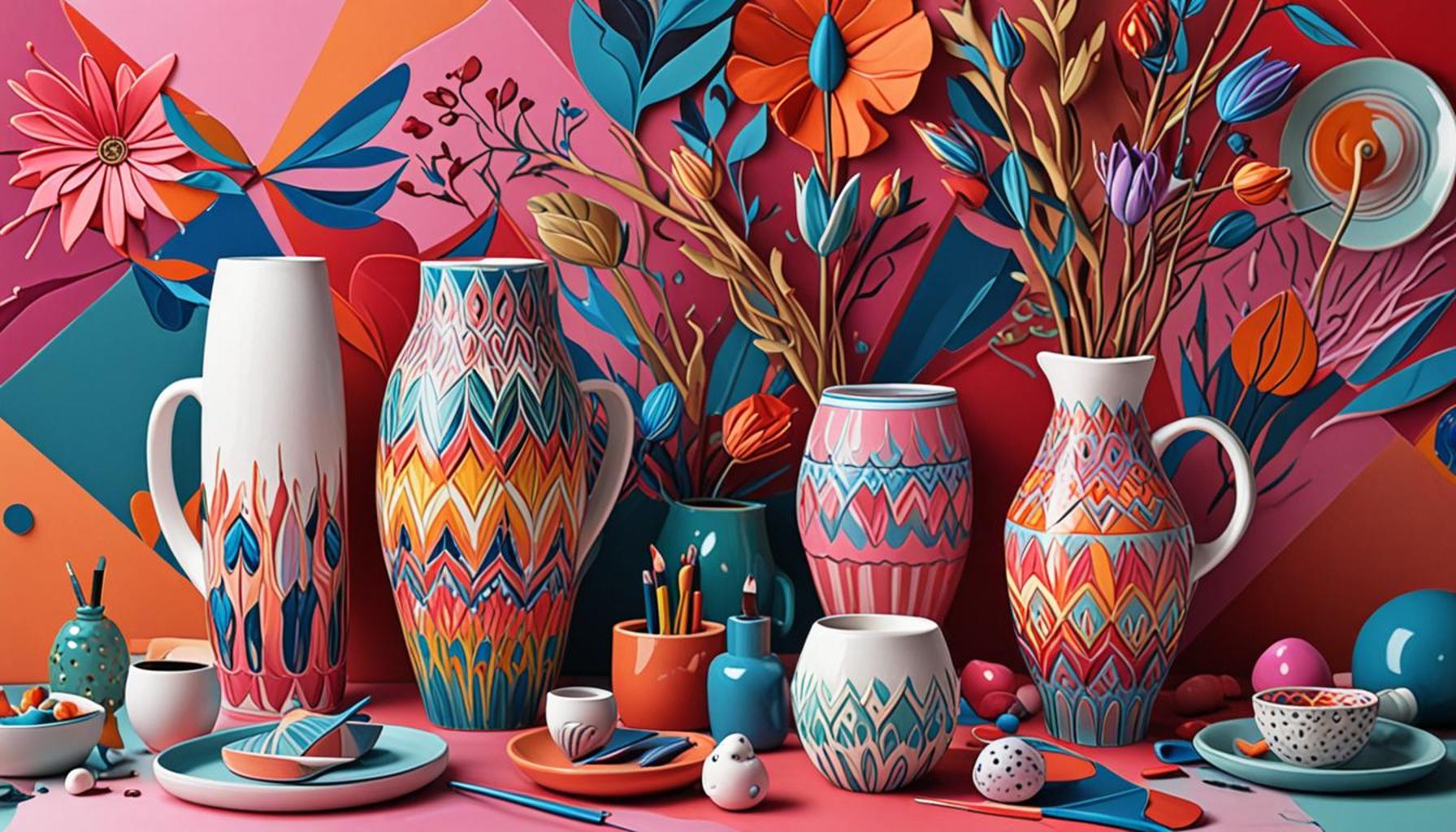
Exploring the Craft of DIY Ceramic Art
Have you ever considered transforming ordinary clay into stunning decorative and functional pieces for your home? The art of ceramic crafting invites you to explore your creativity, all while adding a personal touch to your living space. With some basic techniques and tools, anyone can dive into the world of DIY ceramic art.
Whether you are a beginner or an experienced artisan, there are numerous fascinating aspects to keep in mind as you embark on this artistic journey:
- Variety of Techniques: The world of ceramics is rich with diverse methods for creation. You can explore hand-building, a technique that includes pinch pots, coiling, and slab construction, each allowing for unique forms and textures. Meanwhile, wheel throwing provides the exhilarating challenge of shaping clay on a pottery wheel, resulting in cylindrical pieces that are often lauded for their symmetry.
- Materials: Sourcing your materials is crucial for any DIY project. Simple ingredients like clay, glazes, and essential tools can be easily found in local markets or online platforms. In Nigeria, for example, you might discover local clay deposits that can impart unique qualities to your creations. Additionally, exploring local craft stores in places like Lagos or Abuja can lead to beneficial encounters with experienced artisans eager to share their knowledge.
- Functional Art: One of the most appealing aspects of ceramics is the ability to create items that are as practical as they are beautiful. Imagine making handmade bowls, custom mugs, or stunning planters that not only beautify your surroundings but also enhance your day-to-day living. These pieces can serve as thoughtful gifts, allowing you to share your creativity with friends and family.
Embarking on a DIY ceramic art venture not only satisfies your creative urges but also provides a fulfilling experience of crafting something with your own hands. As you delve deeper, you’ll master the nuances of firing, glazing, and finishing your pieces. This process transforms a simple idea into awe-inspiring creations that reflect your individual style and vision.
This journey into ceramic art can also connect you with local artists and communities, fostering a cultural exchange of ideas. Joining pottery classes or workshops can be a fantastic way to expand your skills while meeting like-minded individuals. Local organizations and art collectives often host events that encourage collaboration and sharing, enriching your artistic experience.
Are you ready to grab your tools and get started? The creative potential is boundless, and each piece you create is a step towards mastering this enriching craft. Whether you’re channeling the traditional Nigerian artistry or experimenting with modern designs, the world of DIY ceramic art awaits your unique imprint.
ADDITIONAL INSIGHTS: Expand your understanding here
Essential Techniques for DIY Ceramic Art
Delving into DIY ceramic art opens a world of possibilities, characterized by a variety of techniques that allow artisans to create both decorative and functional pieces at home. Understanding the foundational methods is crucial for anyone looking to embark on this artistic journey, as each technique offers distinct advantages and aesthetic outcomes.
Hand-Building Techniques
Hand-building is one of the oldest methods of creating ceramics and remains popular among beginners and seasoned artisans. It encompasses several techniques that encourage creativity and allow for personalization:
- Pinch Pots: This simple method involves shaping the clay by pinching and pulling it with fingers, resulting in small bowls or containers. It’s particularly great for beginners due to its accessibility and easy learning curve.
- Coiling: Coiling allows artists to create taller, more complex structures by rolling out long strands of clay and stacking them to form walls. This technique is perfect for creating vases or decorative items that showcase intricate designs.
- Slab Building: With slab building, artists roll out flat sheets of clay, which can be cut into shapes and then joined together. This method is ideal for constructing symmetrical forms such as trays and tiles, emphasizing clean lines and a contemporary aesthetic.
The Art of Wheel Throwing
If you’re seeking that classic pottery experience, wheel throwing offers an exhilarating way to shape clay. Utilizing a pottery wheel, you can mold the clay into symmetrical pieces such as bowls, cups, and pots. While it requires some practice to master, the results can be both rewarding and stunning.
Glazing and Firing Techniques
Once your clay creations have dried and reached a leather-hard stage, the next steps include glazing and firing. Glazing not only adds color and a glossy finish to your pottery but also seals the surface, making it waterproof. Here are some key points:
- Types of Glazes: You can choose from glossy, matte, transparent, or colored glazes, each adding different characteristics to your pieces. Experimenting with different mixtures can lead to beautiful, unexpected results.
- Firing Process: Firing is essential to harden the clay and set the glaze. This can be done in home kilns or with alternatives like a ceramic heater. In Nigeria, consider connecting with local artisans for shared access to facilities or undergoing communal firing sessions, enhancing your learning process.
These foundational techniques are just the beginning of your DIY ceramic art journey. Whether you’re sculpting a pinch pot or throwing a vase on the wheel, each method provides an invitation to express your creativity while crafting pieces that will adorn your home. The beauty of DIY ceramic art lies not only in the end product but in the joy of the creative process itself. Ready to roll up your sleeves and create something remarkable? The adventure awaits!
Exploring Techniques in DIY Ceramic Art
When delving into the fascinating world of DIY ceramic art, it’s essential to understand the diverse techniques that can transform your creative vision into reality. Each method offers unique opportunities to craft both decorative and functional pieces, catering to individual styles and practical needs.
Hand-Building Techniques
One of the fundamental techniques in ceramic art is hand-building. This method allows you to create pieces without the need for a pottery wheel. Hand-building encompasses various approaches, such as pinch pots, coil building, and slab construction. With pinch pots, artists can shape clay by pinching and molding it with their fingers, resulting in charming and organic forms. Coil building lets you create taller or wider structures by layering rolled coils of clay, while slab construction involves rolling out flat pieces of clay to assemble shapes, perfect for making plates or boxes.
Wheel-Throwing Techniques
For those ready to embrace a more advanced skill set, wheel-throwing is an exhilarating technique that can yield stunning results. Using a pottery wheel, artists can create symmetrical and refined pieces such as bowls, cups, and vases. Mastering this technique requires practice and a deep understanding of clay properties; however, the rewards in craftsmanship are substantial. A thrown piece reflects the unique touch of the artist, allowing for endless customization through glazing options.
Glazing and Surface Decoration
The finishing touch in DIY ceramic art is glazing, a crucial step that adds both aesthetic appeal and functionality. A well-applied glaze not only enhances the beauty of a piece with color and texture but also creates a waterproof barrier, making items suitable for use. Various types of glazes are available, from glossy to matte, and experimenting with layering techniques can yield captivating effects. Additionally, surface decoration methods such as carving, stamping, and underglazing allow artists to infuse personality and artistic flair into their creations.
Inspiration and Community
The world of DIY ceramics is rich with inspiration, and joining a community can amplify your creativity. Engage with online forums, social media groups, or local workshops where enthusiasts share tips, tricks, and showcase their works. By exchanging ideas and techniques, you can enhance your craft while developing lasting friendships with fellow ceramic artists.In summary, the techniques and community surrounding DIY ceramic art not only foster creativity but also provide a fulfilling journey towards mastering the art of making decorative and functional pieces at home.
CHECK OUT: Click here to explore more
Advanced Techniques for Crafting Unique Ceramic Pieces
As you delve deeper into the world of DIY ceramic art, exploring advanced techniques can elevate your creations to new heights, transforming simple clay into intricate pieces of art. Each technique opens a door to exploration, allowing you to infuse personal flair and rich cultural elements into your work. In Nigeria, where pottery has deep-rooted traditions, these modern approaches can be harmoniously blended with classic styles.
Surface Decoration Techniques
Enhancing the surface of your ceramic pieces is an exciting avenue for artistic expression. Surface decoration techniques not only add visual interest but also tell a story through texture and patterns:
- Under-glaze Painting: This method allows for detailed designs to be painted on the clay before the glazing process. Using vibrant colors, you can create intricate patterns reminiscent of traditional Nigerian motifs, infusing a cultural touch to modern designs.
- Carving: Once your pot is leather-hard, you can carve patterns or images into the surface. This ancient technique can yield stunning results, as the carved areas absorb glaze differently, creating a beautiful contrast when fired.
- Stamping: Using stamps or everyday objects, you can press patterns onto the clay, giving it an added dimension. This technique is particularly popular for creating textured areas on functional ware like plates or bowls.
Mixed Media Approaches
Don’t hesitate to incorporate mixed media into your ceramic creations. By blending different materials, you can create compelling pieces that resonate with artistry and innovation:
- Incorporating Natural Elements: Adding leaves, flowers, or other organic materials to your clay prior to firing can create striking textures and imprints, allowing nature to influence your work.
- Embedding Found Objects: Small stones, shells, or glass can be embedded into your clay during the shaping process, enhancing the visual and tactile quality of your pieces.
- Combining Clay with Textile: Techniques such as attaching cloth or incorporating fibers can result in hybrid artworks that blend the softness of fabric with the solidity of ceramic.
Alternative Firing Techniques
Traditional firing in kilns is often the go-to method for completing ceramic artworks. However, alternative firing techniques can lead to unique finishes and effects:
- Raku Firing: A Japanese technique, raku involves removing the ceramic pieces from the kiln while they are hot and cooling them rapidly, which creates dramatic surface effects and crackling. In Nigeria, this technique can be a captivating exploration into blending cultures through art.
- Pit Firing: Emulating ancient methods, pit firing uses a variety of combustible materials to create unique surface patterns. This eco-friendly approach repurposes materials that might otherwise be discarded.
- Horsehair Raku: This captivating technique sees strands of horsehair laid over hot pottery, resulting in a striking marking effect. It’s a fun way to instantly transform a piece into a conversation starter.
Armed with these advanced techniques, you can take your DIY ceramic art from basic to extraordinary. Whether you’re drawn to traditional motifs or modern interpretations, the world of ceramics offers endless opportunities to create pieces that are not only aesthetically pleasing but also functionally integral to your home. Engage with local artisan groups in Nigeria to gain insights and share techniques, fostering a collaborative spirit that further enriches the craft.
RECOMMENDED: Check out this similar article
Conclusion: Unleash Your Creativity with DIY Ceramic Art
In the ever-evolving domain of DIY ceramic art, the possibilities are as limitless as your imagination. By mastering various techniques—ranging from advanced surface decoration methods to innovative mixed media approaches and unique alternative firing techniques—you can transform simple clay into functional and decorative masterpieces for your home. Each piece you create becomes not just an artwork but a personal expression of your creativity, reflective of your unique style and, in many cases, a celebration of the rich traditions of Nigerian pottery.
As you experiment with these techniques, consider blending traditional Nigerian motifs with contemporary designs to honor both heritage and modernity. Collaborating with local artisans will not only enrich your understanding of the craft but also foster a vibrant community of creatives exchanging ideas and inspirations.
Engaging in DIY ceramic art is more than just a creative pursuit; it taps into the therapeutic aspects of crafting, allowing for mindfulness and relaxation. Whether you are aiming to create functional kitchenware that showcases your style or striking decorative pieces that serve as conversation starters, every creation can bring joy and a touch of personality to your space.
So gather your tools, explore new techniques, and let your hands shape your imagination. Your journey into the world of DIY ceramic art awaits, inviting you to discover, innovate, and share your artistic flair.