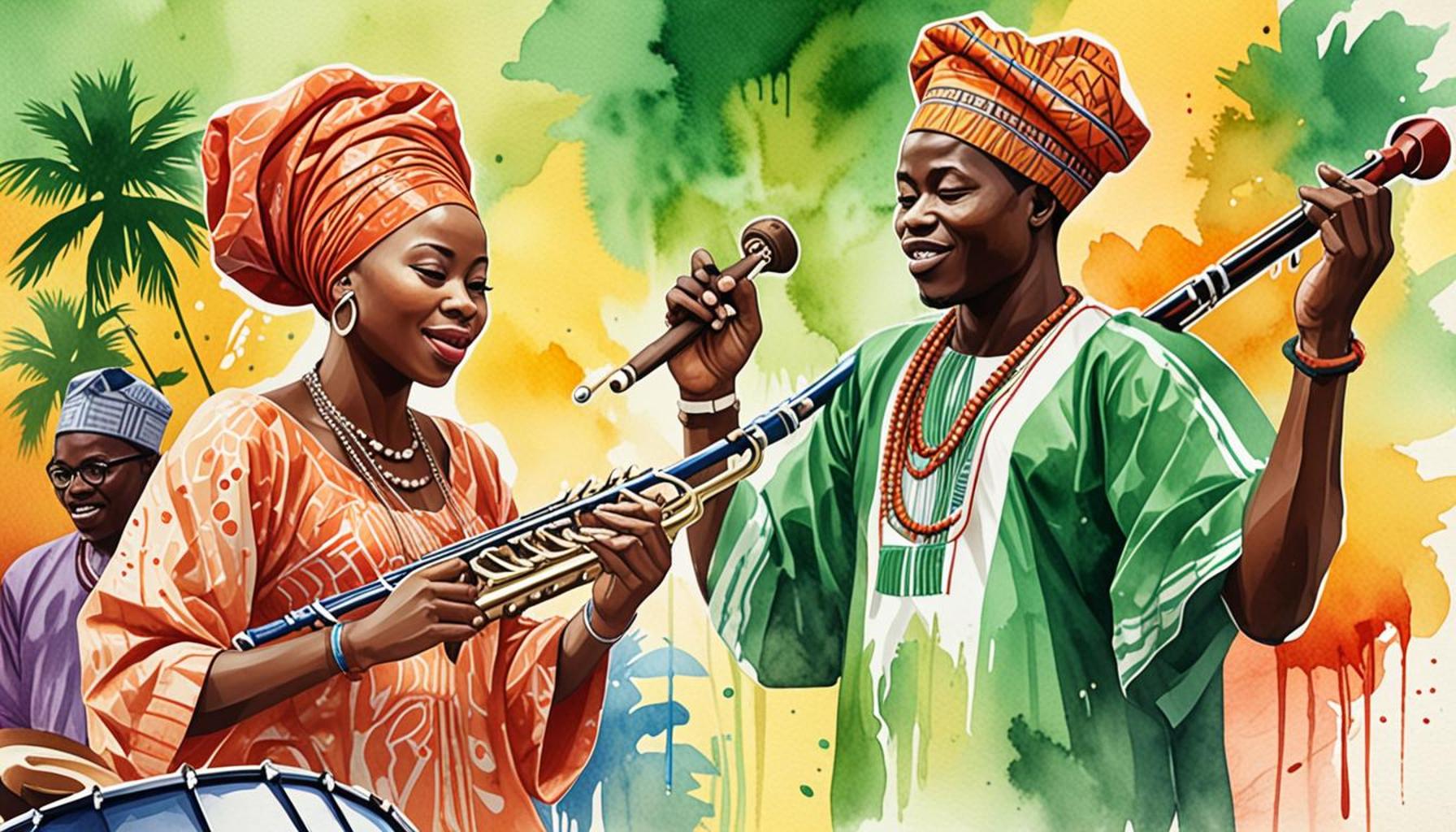
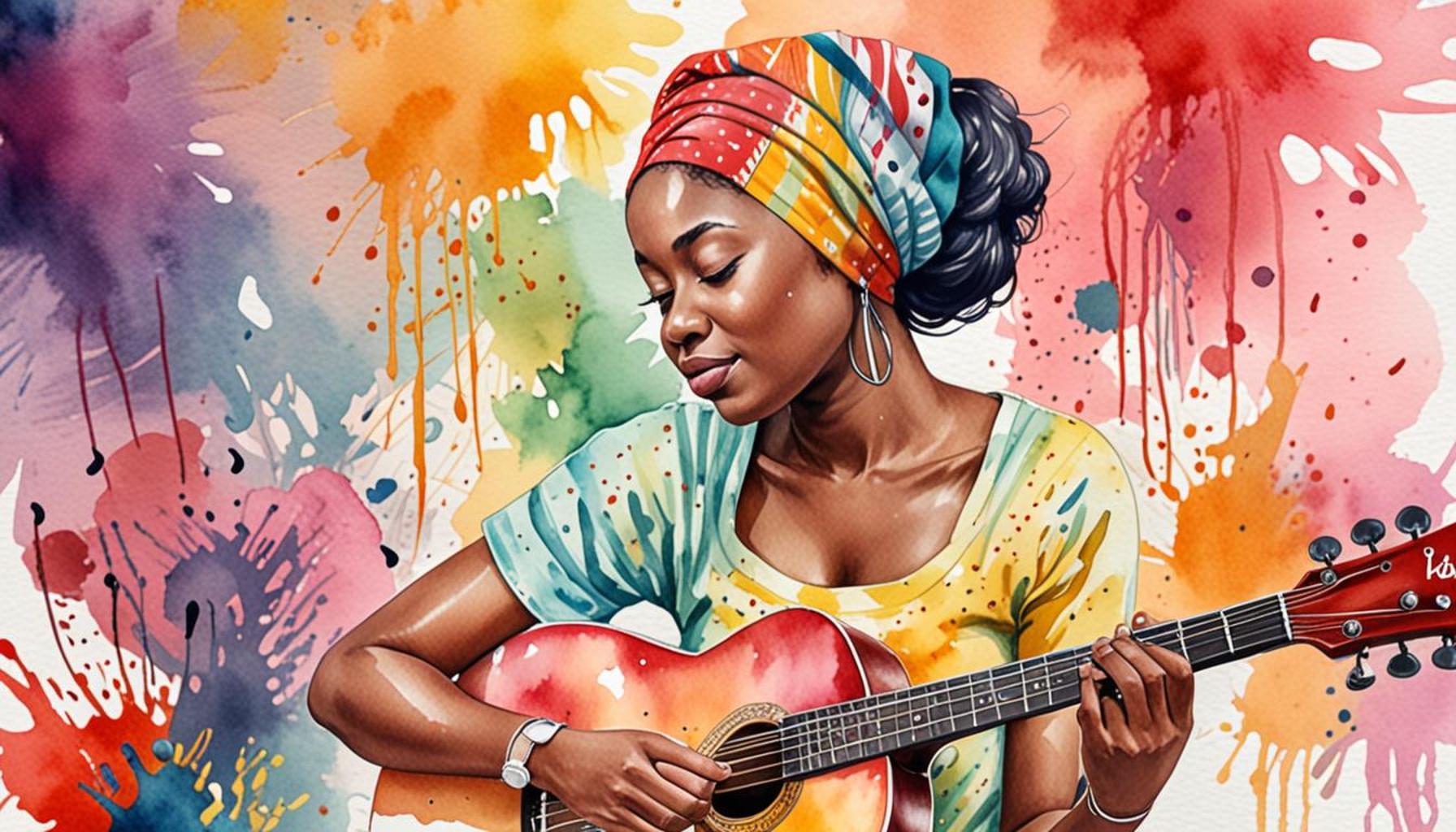
Creativity and Collaboration: Community Music Projects Transforming Lives in Nigeria
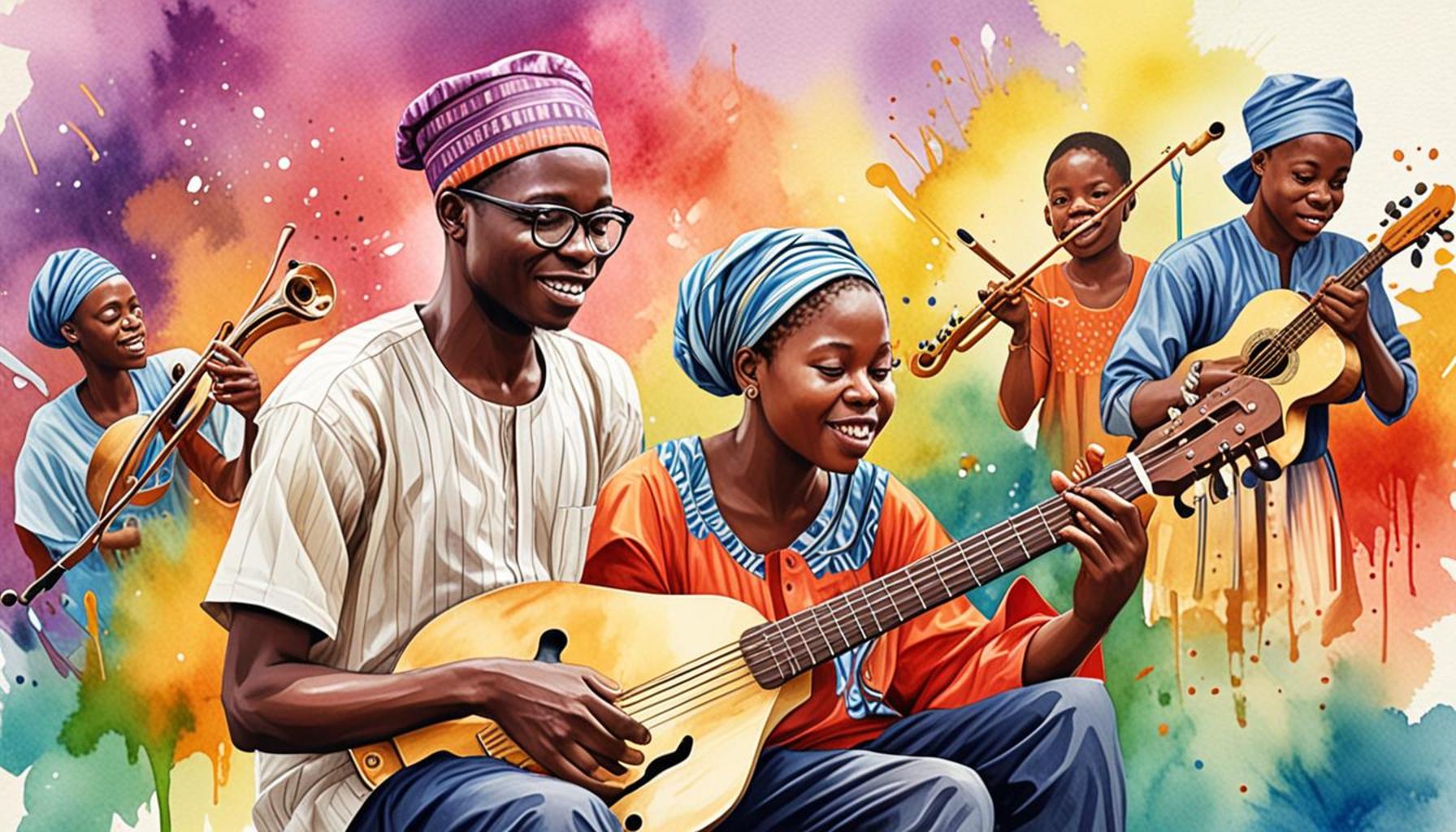
Exploring the Role of Community Music Projects in Nigeria
Nigeria’s vast cultural landscape is not only a tapestry of ethnic groups, languages, and traditions, but it is also a fertile ground for artistic expression and innovation. Community music projects are emerging as crucial engines of change, tapping into the inherent creativity of the populace to promote social transformation and unity. These projects transcend mere entertainment; they are focused efforts to uplift communities, often addressing social issues through the power of music.
At the heart of many of these initiatives is the goal of empowerment. Young musicians, often from underprivileged backgrounds, receive training that equips them with both musical and life skills. For instance, programs like the Fela Kuti Foundation and the Musical Society of Nigeria (MUSON) provide workshops that not only teach music theory and performance but also instill values such as teamwork and discipline. Participants gain valuable experience, enabling them to pursue careers in music, which many would only dream of otherwise.
Beyond skill development, these music projects play a pivotal role in fostering social cohesion. As citizens from various ethnic and economic backgrounds come together to collaborate on musical endeavors, they break down barriers that often divide them. Community choirs and ensembles, such as the Lagos Community Choir, bring people together to celebrate their shared love for music, allowing for cultural exchange and mutual understanding. By performing at local festivals or public events, these groups help to build friendships and promote unity.
Furthermore, music education initiatives are making significant strides in creating awareness and literacy. Many of these programs emphasize the importance of education through music as a means of personal development. Organizations like Music in Africa have launched campaigns to incorporate music into school curriculums, helping students explore their identities while developing a deeper appreciation for their cultural heritage.
One of the most impactful illustrations of this movement is seen in Lagos, where local collectives invite youths to participate in songwriting workshops. These gatherings allow young people to express their unique experiences and the societal challenges they face, be it poverty, crime, or political instability. By channeling these experiences into songs, they not only find their voices but also engage the community in vital conversations about change.
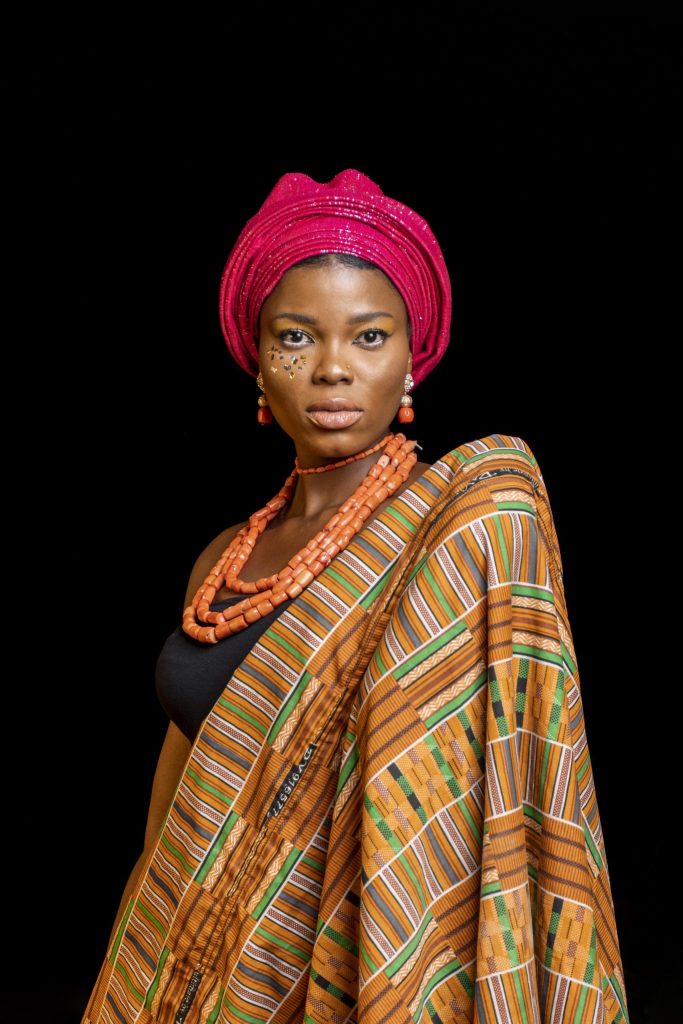
As we delve deeper into these transformative movements, it becomes increasingly evident that community music is more than just a means of artistic expression. It symbolizes the spirit of innovation and resilience within Nigeria. Each note played, each lyric written, is a testament to the power of music to unite, educate, and empower. Consequently, these community music projects shine as beacons of hope, echoing the collective dreams and aspirations of a nation ready to embrace its colorful future.
YOU MAY ALSO LIKE: Read read another article
The Impact of Community Music on Youth Empowerment
In Nigeria, the vibrancy of community music projects is profoundly reshaping the landscape of youth engagement and empowerment. These initiatives are not merely venues for performance but act as incubators for creativity, skill development, and personal growth. By harnessing the power of music, talented individuals, particularly those from marginalized backgrounds, are provided with opportunities to express their voices and aspire to greater heights.
One notable example is the effort led by the Harmonica Music School in Lagos, which offers comprehensive training in diverse musical genres ranging from traditional folk to contemporary Afrobeat. Here, young participants are exposed to a variety of instruments, help them nurture their unique artistic flair. Furthermore, the curriculum is designed not only to enhance musical proficiency but also to incorporate interpersonal skills, thereby fostering collaboration—a key aspect of success in the music industry.
The ripple effects of these community music projects reach far beyond musical talent. They also nurture leadership qualities by encouraging participants to take initiative in planning events and collaborating on performances. For instance, the annual Lagos Music Festival, organized by local youth collectives, provides a platform where aspiring musicians can showcase their work. Such opportunities empower them with practical experience in event management, team collaboration, and public speaking. Young performers return year after year, not just to perform, but to mentor newcomers, creating a cycle of knowledge-sharing that strengthens the entire community.
Moreover, community music projects can serve as a means of tackling pressing social issues. By addressing topics like gender inequality, youth unemployment, and mental health through their lyrics and performances, artists are not only making music but also paving the way for vital discussions within their communities. Initiatives like the Women in Music Project actively work to elevate female voices in the industry, challenging cultural norms while providing women with tools for expression and economic empowerment. This project has sparked a wave of change, inspiring many women to participate in music creation and production.
To better understand the breadth of impact these projects have, here are a few key areas they influence:
- Skill Development: Participants gain musical, technical, and life skills that enhance their personal and professional prospects.
- Social Awareness: Lyrics and workshops initiate discussions around critical issues affecting communities.
- Cultural Preservation: Community music fosters pride in local heritage, encouraging younger generations to explore and celebrate their roots.
- Economic Opportunities: Successful participants often find avenues for careers in music, education, and beyond.
As these community music projects continue to evolve, they embody the essence of resilience and hope. They remind us that music is not just art; it is an avenue through which individuals reclaim their narratives and inspire change. Through the harmony of creativity and collaboration, the transformation of lives in Nigeria takes center stage, creating a promising future that resonates well beyond the beats and melodies.
| Category | Key Features |
|---|---|
| Cultural Preservation | Community music projects play a vital role in preserving Nigeria’s rich cultural heritage through traditional forms of music. |
| Empowerment | These initiatives empower youth by providing platforms for self-expression and development of skills such as teamwork and leadership. |
| Community Engagement | Through collaboration, community members can enhance their social interactions, fostering unity and a sense of belonging. |
| Therapeutic Benefits | Participation in music projects is known to have therapeutic effects, improving mental health and emotional well-being. |
| Economic Growth | Music projects contribute to local economies by creating jobs and attracting tourism through cultural events and festivals. |
Community music projects in Nigeria stand out as significant tools for fostering creativity and collaboration within communities. By engaging participants in artistic practices, these projects not only enhance individual talents but also serve the greater goal of transforming lives. For instance, the emphasis on cultural preservation ensures that traditional music forms are shared and celebrated, thus enriching the community’s cultural fabric. Moreover, such engagements promote educational opportunities, where youth can learn the intricacies of music production, composition, and performance, all contributing to their personal and professional growth.The impact of these projects is multifaceted, extending beyond individual development to include broader societal benefits. By facilitating community engagement, these initiatives frequently address social issues such as unemployment and poverty, providing a much-needed outlet for public expression and creativity. As communities come together to collaborate, they often find innovative ways to solve common challenges, creating a ripple effect of positive change throughout Nigeria. As curiosity around the transformative power of music grows, it becomes increasingly clear that these community projects are more than just artistic endeavors— they are essential lifelines contributing to social cohesion and resilience in Nigeria.
RECOMMENDED: Check out this similar article
The Role of Community Music in Fostering Cultural Identity
Community music projects in Nigeria transcend beyond mere entertainment; they play a crucial role in reinforcing cultural identity and heritage. With Nigeria’s rich tapestry of ethnic diversity, music acts as a unifying force, bridging gaps between various cultures while honoring traditional practices. This is particularly important as the younger generation navigates a rapidly globalizing world that can often dilute local customs and values.
Programs such as the Nigerian Traditional Orchestra emphasize the importance of indigenous music forms, teaching young artists to play regional instruments like the udu and sekere. These instruments, deeply entrenched in Nigerian history, not only provide unique sounds that characterize local music but also tell stories of our ancestors. By engaging in such traditional performances, youth are encouraged to explore their roots, thus fostering a sense of pride and belonging.
Moreover, the incorporation of local narratives into community music has proven to be a powerful vehicle for storytelling. Initiatives like Hip Hop Meets Heritage merge modern music with traditional folklore, allowing younger artists to address contemporary issues while celebrating their cultural heritage. Through collaborations with elders and community leaders, participants learn to weave rich stories into their lyrics, highlighting their cultural lineage while resonating with audiences facing similar challenges today.
Furthermore, community music projects nurture an environment of collaboration that is vital for cultural transmission. Young musicians working together on joint performances foster respect for one another’s backgrounds and musical styles. This collaborative spirit can be seen at festivals like the Kano Music Festival, where artists from various regions come together, creating a platform for exchange and mutual appreciation. Here, traditional, contemporary, and fusion genres blur boundaries, promoting a dynamic approach to cultural expression.
Beyond the creative aspects, community music projects also serve as a gateway for economic growth, particularly in local communities. The tourism potential surrounding cultural music events is substantial, inviting visitors to experience Nigeria’s rich artistic scene. Reports from the Nigerian Tourism Board indicate that events showcasing traditional music can boost local economies significantly, creating jobs and supporting small businesses. The intertwining of cultural identity with economic viability paves new pathways for aspiring artists seeking to make a living while preserving their heritage.
As innovative collaborations emerge, community music projects continue to play a pivotal role in not just transforming lives but also reinforcing cultural identity amidst globalization. By providing platforms for expression, these initiatives encourage a renewed interest in preserving Nigeria’s distinctive music traditions, thus ensuring that the heart of its cultural identity remains vibrant and relevant for future generations.
ADDITIONAL INSIGHTS: Expand your understanding here
Conclusion: The Impact of Community Music Projects in Nigeria
In summation, community music projects in Nigeria are not merely initiatives for artistic expression; they are vital forces that transform lives and nurture the resilience of cultural identity. Through the collaboration of diverse artists from various ethnic backgrounds, these projects weave a rich narrative tapestry that honors tradition while addressing contemporary societal challenges. The power of music as a tool for cultural preservation is undeniable, especially in an age where globalization threatens to overshadow local customs and expressions.
As young musicians embrace traditional instruments and styles, they are forging a unique path that connects them deeply with their heritage. Initiatives such as the Nigerian Traditional Orchestra and Hip Hop Meets Heritage illustrate the incredible synergy between past and present, encouraging youth to craft stories that resonate within their communities. Festivals like the Kano Music Festival further highlight the importance of collaboration, allowing for a melting pot of ideas and expressions that enrich the artistic landscape.
Beyond artistic endeavors, these community music projects are catalysts for local economic growth and tourism, proving that cultural expressions can provide tangible benefits to society. By fostering an appreciation for Nigeria’s rich musical heritage, these initiatives not only bolster economic opportunities for emerging artists but also create avenues for community solidarity and pride. As we look towards the future, the enduring impact of community music projects in Nigeria will continue to inspire new generations, ensuring that the vibrant heartbeat of Nigerian music remains alive and dynamic.