Nutritional Supplements: When and How to Use Them to Improve Your Pet’s Health
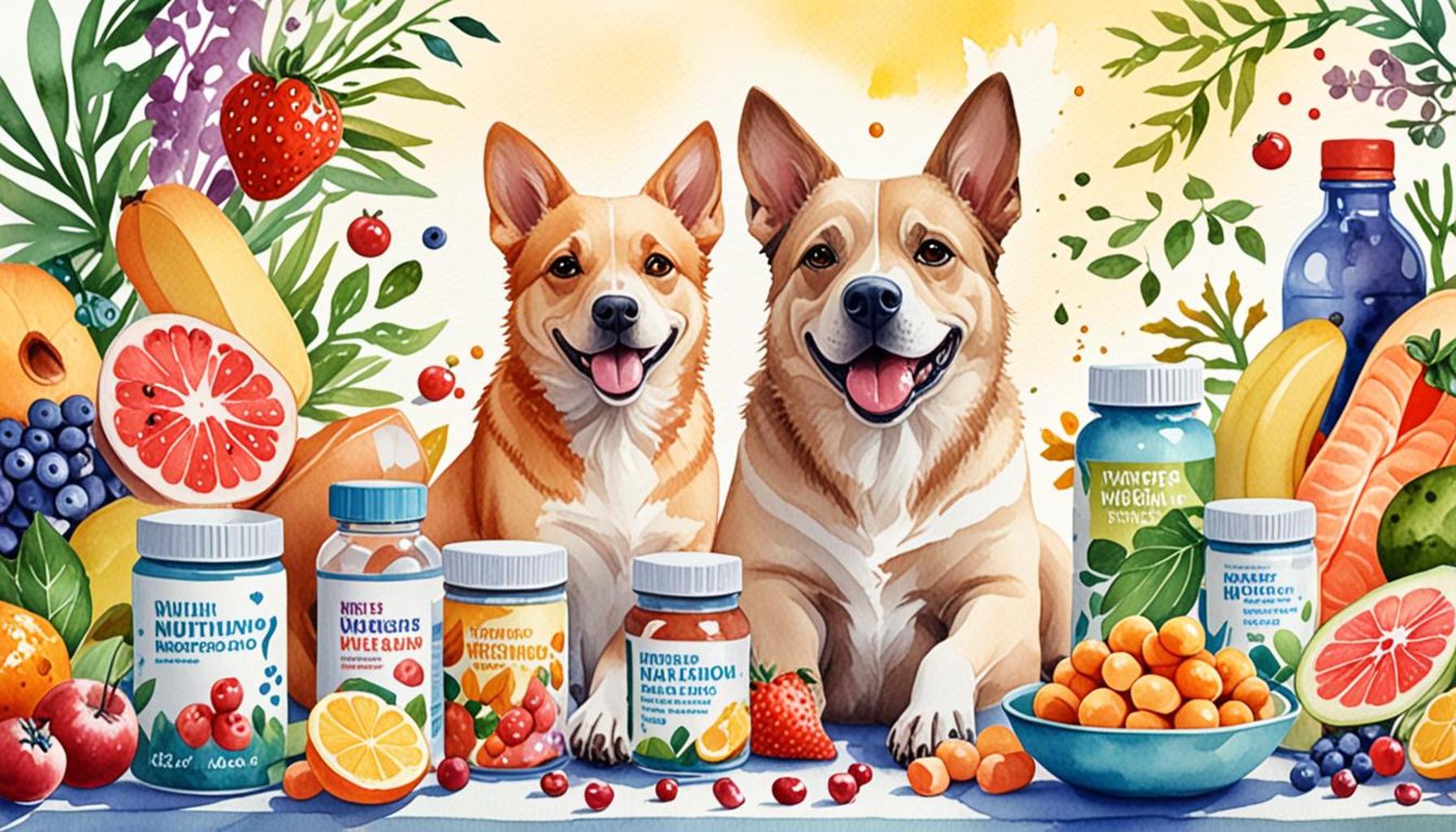
The Importance of Pet Nutritional Supplements
The wellness of our furry companions is paramount, and many pet owners are seeking ways to enhance their animals’ quality of life. Nutritional supplements can play a significant role in achieving optimal health for pets, much like they do for humans. The challenge lies in understanding when and how to effectively incorporate these supplements into your pet’s diet.
Understanding Nutritional Needs in Nigeria
In Nigeria, the understanding of pet nutrition is evolving, with more owners recognizing the importance of proper dietary support. The growing pet industry reflects this change, as access to various nutritional products becomes increasingly widespread. Several factors influence the need for nutritional supplements, including:
- Age: As pets age, they may experience various health issues. Older dogs often require joint support due to arthritis or other degenerative conditions. They may benefit from glucosamine or chondroitin supplements, which can help maintain mobility and improve overall quality of life.
- Health Condition: Certain conditions, like allergies that lead to skin irritations or gastrointestinal issues, may require specific supplements. For instance, pets with kidney disease could benefit from omega-3 fatty acids that support kidney function. Moreover, with the rising rates of obesity among pets in urban areas, weight management supplements can help maintain a healthy weight.
- Diet: Many commercial pet foods may lack essential nutrients. Some of these products might be high in fillers and low in quality ingredients, prompting the need for additional supplementation. For example, a pet on a grain-free diet may require additional vitamins and minerals to ensure they are receiving a balanced diet.
Types of Nutritional Supplements
Knowing the right time to introduce supplements and the correct methods to do so can make a significant difference in your pet’s overall health. There are various types of supplements available, such as:
- Vitamins and minerals: Essential for overall health, they provide necessary nutrients that may be missing from a pet’s diet.
- Fatty acids: Omega-3 and Omega-6 fatty acids are crucial for skin and coat health, as well as joint support.
- Probiotics: Beneficial for digestive health, these can help balance gut flora, especially in pets suffering from digestive issues.
- Herbal supplements: Natural remedies can support a variety of health conditions, from anxiety to joint pain.
Final Thoughts
This article aims to delve into the crucial considerations regarding nutritional supplements and provide guidance on their use. It is essential for pet owners in Nigeria to assess their pet’s individual health needs and consult with a veterinarian to choose the appropriate supplements. By understanding the facts, pet owners can ensure their beloved companions thrive in every stage of life, leading to happier, healthier pets.
When to Introduce Nutritional Supplements to Your Pet
Understanding the ideal timing for integrating nutritional supplements into your pet’s diet can greatly influence their health trajectory. While some supplements can be beneficial from a young age, others may only be necessary during specific life stages or in the presence of certain health issues.
Recognizing the Signs
As a pet owner, it’s critical to be observant of your pet’s behavior and health. Here are some indicators that might suggest your furry friend could benefit from nutritional supplements:
- Changes in Appetite: A sudden decrease in appetite or reluctance to eat could warrant a reassessment of their diet. Sometimes, this could signal an underlying health issue that nutritional support might address.
- Skin and Coat Issues: If you notice excessive shedding, dandruff, or skin irritations, it may indicate that your pet is not receiving the necessary fatty acids and vitamins, making supplements essential.
- Behavioral Changes: Increased anxiety or lethargy can sometimes be alleviated with appropriate herbal supplements or omega fatty acids that promote brain health.
- Joint Problems: Difficulty in movement, limping, or reluctance to engage in regular activities may indicate the need for joint support supplements, particularly in older pets.
Choosing the Right Supplements
With an array of products available in the Nigerian market, selecting the right supplements for your pet can be overwhelming. It is essential to prioritize quality and efficacy when choosing supplements.
When considering nutritional supplements, keep the following tips in mind:
- Consult with a Veterinarian: The expertise of a veterinarian should never be underestimated. A vet can help tailor supplement recommendations based on your pet’s specific needs, age, and health conditions.
- Research Ingredients: Always examine the ingredient list on supplement labels. Look for high-quality ingredients that are scientifically linked to pet health. Avoid products with fillers or artificial additives.
- Try to Understand Dosage: Each supplement may have different recommended dosages based on the size and breed of your pet. Incorrect dosages can lead to adverse effects, so this step is crucial.
- Monitor Your Pet’s Response: After introducing a new supplement, keep track of any changes, positive or negative. This monitoring will help you evaluate the supplement’s effectiveness and whether any adjustments are necessary.
In Nigeria, the market is seeing a surge in awareness about the need for pet nutritional supplements. However, still understanding the appropriateness of these products within the local context is paramount. As each pet is unique, finding the right supplementation will enhance their vitality, resulting in a happier and healthier companion that thrives at every life stage.
Nutritional Supplements: When and How to Use Them to Improve Your Pet’s Health
Nutritional supplements play a crucial role in enhancing the well-being of your pets. They can address specific health concerns and ensure your furry friends receive essential nutrients they may miss from their regular diet. The timing and method of introducing these supplements can significantly influence their effectiveness.
Understanding the Types of Nutritional Supplements
There are various types of nutritional supplements available in the market, each targeting different health needs. Vitamins, minerals, probiotics, and fatty acids are some of the most common. Each supplement has unique benefits, and recognizing when to incorporate them into your pet’s routine is essential.
When to Administer Supplements
Consider introducing nutritional supplements during significant life stages or health events. For instance, puppies and kittens can benefit from growth-focused formulations. Older pets may need joint health supplements or products designed for digestive support. Moreover, if your pet is recovering from illness or surgery, consult with your veterinarian about appropriate supplements to aid in their recovery.
How to Select the Right Supplement
Choosing the right supplement is imperative for effectiveness. Look for products with high-quality ingredients and those that have been clinically tested for safety and efficacy. It’s essential to consult your veterinarian for personalized recommendations since they can guide you based on your pet’s unique health profile. They can help you understand the dosage and frequency necessary to truly benefit your pet’s health.
Administration Tips
Introducing supplements can be made easier by mixing them with your pet’s food or administering them as treats. Many pets can be picky, so offering the supplements with something they enjoy can help ensure they consume them consistently. Always monitor your pet’s response to the supplements, as observing any changes in behavior or health is vital for assessing their effectiveness.
| Category | Key Benefits |
|---|---|
| Vitamins & Minerals | Essential for overall health, supporting immune function and metabolic processes. |
| Probiotics | Promote digestive health and balance gut flora, which is crucial for nutrient absorption. |
Understanding the advantages of nutritional supplements enables you to make informed decisions that can significantly impact your pet’s health. With a wealth of options available, staying knowledgeable about their uses and benefits is key to enhancing your pet’s quality of life.
Integrating Nutritional Supplements into Your Pet’s Diet
Once you’ve recognized the signs that your pet may benefit from nutritional supplements and chosen the right products, the next step is to effectively integrate these supplements into their daily routine. This process is essential to ensure that your pet reaps the maximum benefits while minimizing any potential side effects.
Timing and Delivery Methods
How and when you administer supplements can significantly affect your pet’s willingness to accept them. Here are some strategies for introducing supplements into your pet’s diet:
- Consistency is Key: Establish a consistent schedule for administering supplements. Integrating them with meals can make it easier for your pet to accept them. For instance, mixing them with wet food can disguise the flavor and texture, making it more palatable.
- Incorporate Treats: Consider using specially designed chewable supplements that resemble treats. Many pets will readily consume these without hesitation. This can be particularly effective for dogs, who often view mealtime as a rewarding experience.
- Monitor Meals: If your pet has a tendency to be picky, you may observe their feeding habits closely. By noting which meals they enjoy, you can find the best time to introduce supplements without them feeling overwhelmed.
- Liquid Forms: For pets that are particularly finicky or reluctant eaters, liquid supplements might be the way to go. They can be easily administered via a syringe directly into the mouth or mixed into their food, providing you with a versatile method of delivery.
Potential Risks and Considerations
While nutritional supplements offer various health benefits, it’s essential to be aware of potential risks and to monitor your pet for adverse reactions.
- Avoid Over-Supplementation: More isn’t always better. Over-supplementation can lead to toxicity in pets, particularly with fat-soluble vitamins like A, D, E, and K. Always adhere to the recommended dosages provided by your veterinarian or on supplement packaging.
- Watch for Reactions: After introducing a new supplement, observe your pet for changes, such as digestive upset, changes in energy levels, or skin reactions. If negative symptoms arise, discontinue use and consult your veterinarian.
- Time for Adjustment: It may take a few weeks for the effects of a supplement to become evident. Be patient and allow your pet’s body enough time to adjust to new additions to their diet.
Special Considerations for Different Life Stages
As pets age, their nutritional needs evolve, making it crucial to adapt their supplementation accordingly. Puppies and kittens have different requirements as they are growing compared to adult and senior pets.
- Puppies and Kittens: Young pets benefit from growth and development supplements that support their skeletal system and immune function. Omega fatty acids, probiotics, and multivitamins can play a crucial role in establishing a strong foundation for lifelong health.
- Adult Pets: During this stage, focus on maintaining health through generalized supplements that cater to their specific breed and size. Joint support for larger breeds or dental supplements can be beneficial.
- Senior Pets: As pets age, incorporating supplements that support cognitive health and joint mobility becomes increasingly important. Glucosamine, chondroitin, and antioxidants can be necessary allies in ensuring a comfortable and active lifestyle.
In Nigeria, the conversation around supplements continues to grow, and pet owners are discovering the vital role these products play. By understanding when and how to effectively introduce and manage nutritional supplements, you can significantly enhance your pet’s health and quality of life, allowing them to thrive at every stage of their lives.
Conclusion
In conclusion, the journey to enhancing your pet’s health through nutritional supplements is both an informed and strategic process. By recognizing the specific needs of your furry companions—whether they are playful puppies, thriving adults, or wise seniors—you can make thoughtful decisions about their supplement intake. It is essential to remember that introducing these supplements requires not only careful selection based on life stages but also meticulous integration into their daily routines.
As the pet ownership landscape evolves in Nigeria, more pet families understand the significance of nutritional support for their animals’ well-being. Whether it’s through palatable treats, seamlessly mixed meals, or thoughtful timing, the right approach can lead to noticeable improvements in vitality and overall health. However, vigilance is key. Monitoring your pets for any adverse reactions and adhering to recommended dosages is crucial to ensuring their safety and well-being.
Additionally, the importance of consulting with your veterinarian cannot be overstressed. They can provide tailored advice based on your pet’s unique health profile, lifestyle, and dietary needs. This cooperative approach guarantees you are not only taking proactive measures in managing your pet’s health but also making informed choices that contribute to a long and happy life together.
As you take the next steps in your pet care journey, equip yourself with knowledge, remain patient, and watch as your beloved companions flourish with the added support of carefully chosen nutritional supplements.