How to Help Your Adopted Pet Cope with Separation Anxiety
Identifying the Signs of Separation Anxiety in Pets
Adopting a pet is a rewarding experience, offering companionship and joy. However, this journey can also present certain challenges, particularly concerning separation anxiety. Many pets, especially those that have been rescued or adopted from shelters, may have endured trauma or a lack of stability in their previous environments. This background can make it difficult for them to feel secure when left alone.
Recognizing the signs of separation anxiety is vital for any pet owner. This condition can manifest in several distressing behaviors, including:
- Excessive barking or whining: Your pet may vocalize more than usual when you are leaving or after you have departed, as a way to express their distress.
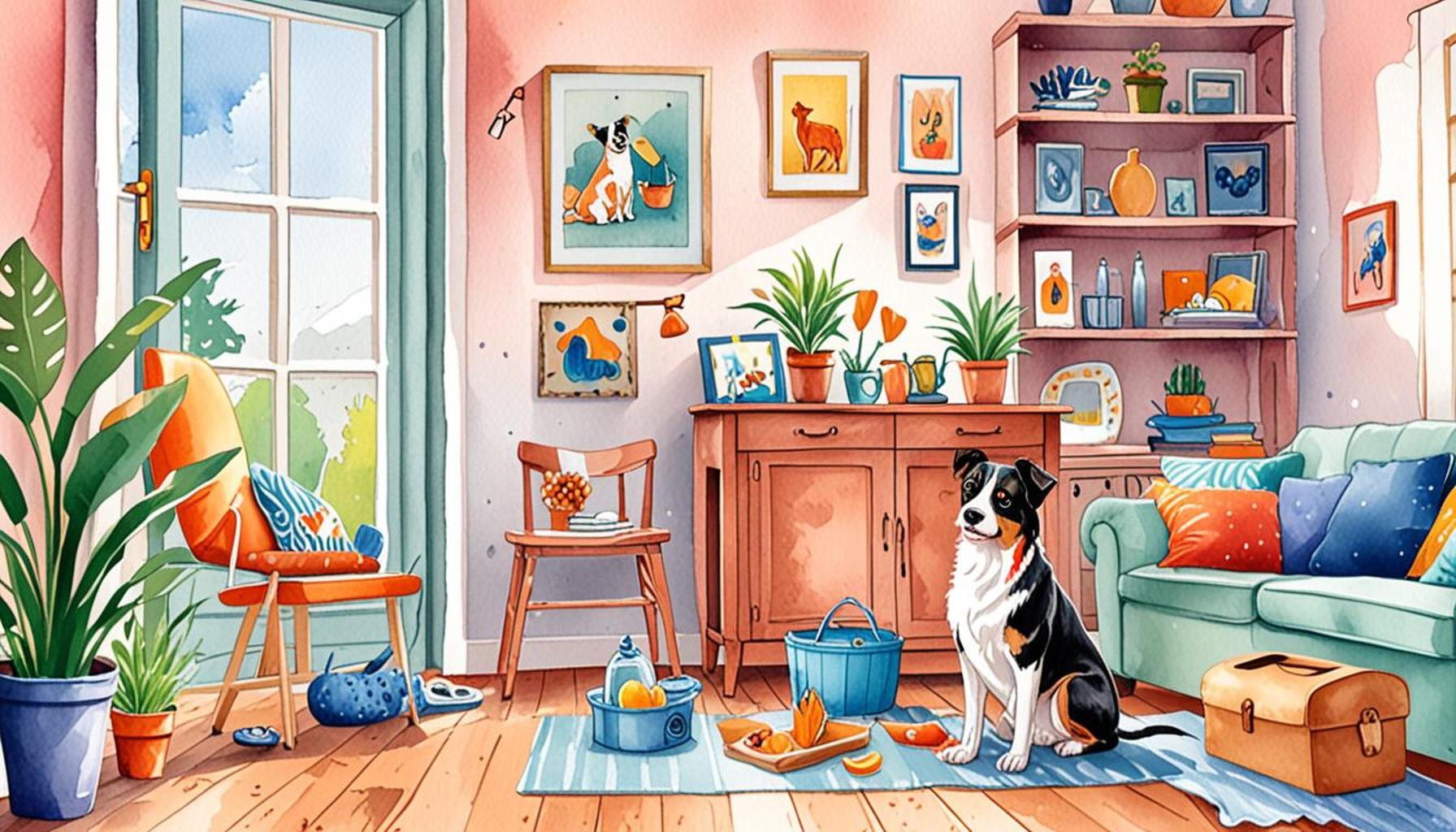
- Destructive behavior: This can include chewing furniture, digging at doors, or even destroying personal items in an attempt to relieve their anxiety or escape confinement.
- Potty accidents: Despite being house-trained, anxious pets may have accidents indoors, as the stress of separation can disrupt their normal routines.
Understanding these behaviors is crucial, as they signify an emotional struggle rather than mere disobedience. As a responsible pet owner, the emphasis should be on providing effective support to help manage these feelings of anxiety. The good news is that there are many strategies to assist your pet in coping with separation-related stress.
Practical Approaches for Managing Separation Anxiety
There are several effective techniques that can help alleviate your pet’s separation anxiety:
- Creating a safe space: Designate a comfortable area in your home where your pet can retreat when they feel anxious. This could be a cozy corner with their bed, toys, and a favorite blanket that provides them with a sense of security.
- Establishing a consistent routine: Pets thrive on routine, and having a predictable schedule can promote feelings of safety. Try to feed, walk, and engage with your pet at the same times each day to build trust and reduce anxiety.
- Utilizing training techniques: Gradually exposing your pet to short periods of being alone can help them build confidence. Start by leaving them alone for just a few minutes and gradually increase the time as they become more comfortable.
In Nigeria, where many families may face the challenge of balancing work commitments and pet ownership, it becomes essential to understand and address separation anxiety effectively. By investing time and resources into managing this condition, pet owners can not only enhance their animal’s quality of life but also strengthen the bond between them. This article will delve deeper into practical methods tailored to help your furry friends thrive, even when you cannot be by their side.
Practical Strategies to Support Your Pet’s Emotional Well-being
Combating separation anxiety in adopted pets is not merely a matter of creating a few distractions; it requires a multifaceted approach that recognizes and addresses the emotional needs of your furry companion. Fortunately, pet owners have a variety of strategies at their disposal to help alleviate distress and foster a sense of security. Here are some practical and effective techniques to help your adopted pet cope:
- Engaging in Interactive Play: Regular playtime is essential for any pet, as it not only serves as a bonding experience but also diverts their attention from anxiety. Consider using toys that encourage interaction, such as tug ropes or treat-dispensing puzzles. In Nigeria, where outdoor space may be limited in urban areas, indoor play can be just as beneficial.
- Implementing Calming Aids: There are various products available that can help soothe anxious pets. From calming collars that release pheromones to anxiety wraps that provide gentle pressure, these tools can be effective in promoting a sense of security. Pet owners can explore these options at local veterinary clinics or pet supply stores.
- Practicing Desensitization: Gradual desensitization is a powerful tool in helping pets manage their anxiety. This involves slowly exposing your pet to being alone for increasing amounts of time while remaining calm and collected yourself. Begin with just a few minutes, and as they adjust, extend the duration. This technique can be especially beneficial for pets who may feel abandoned the moment you step outside.
Recognizing your pet’s specific triggers can also aid in creating a tailored plan for their anxiety. Some pets may become particularly anxious at specific times, such as when they sense you getting ready to leave or when they hear the sound of the door closing. By being observant, you can deploy comforting techniques right before these moments occur, helping to reduce their overall stress levels.
Providing mental stimulation through training sessions can also be a wonderful way to keep your pet engaged and distracted. Teaching them new commands or tricks not only builds their confidence but also strengthens your bond. This practice is particularly valuable in a bustling Nigerian household, where the hustle and bustle can mask the deeper needs of our pets.
Moreover, always consider your adopted pet’s unique history. Their past experiences may shape their current reactions to separation. A dog that has experienced neglect may need extra reassurance and attention compared to one that has always been part of a loving home. By empathizing with their plight, you can offer the most effective support.
As you embark on this journey to help your pet manage their separation anxiety, remember that patience is key. Some pets may take longer to adapt than others, but with consistent effort and compassion, you can significantly improve their overall quality of life, making your home a haven rather than a source of stress.
Effective Strategies for Mitigating Separation Anxiety in Your Adopted Pet
Adopting a pet is a rewarding experience, but it can come with challenges, particularly when it comes to separation anxiety. Understanding your pet’s emotional needs is pivotal in creating a sense of security for them. Here are some effective strategies you can employ:
1. Gradual Desensitization
Start by leaving your pet alone for short periods and gradually increase the time as they become more comfortable. This process helps them learn that you will always return and reduces their anxiety.
2. Create a Safe Space
Designate a specific area in your home where your pet can feel secure when you are away. This might include familiar toys, their bed, or a favorite blanket. Being able to retreat to a cozy spot can lessen feelings of distress.
3. Interactive Toys
Engaging your pet with interactive toys can distract them when you’re gone. Puzzle toys filled with treats can keep their minds occupied, making them less likely to focus on your absence.
4. Consistency in Routine
Maintaining a consistent daily routine helps your adopted pet feel more secure. Feeding them, walking, and playing at the same time every day provides a predictable structure, which can ease their anxiety.
5. Training Sessions
Incorporate basic training lessons which can stimulate your pet mentally. Teaching commands like sit and stay not only provides mental engagement but also reinforces obedience and builds a stronger bond.
6. Professional Help
If your pet’s anxiety is severe, consider consulting a veterinarian or a pet behavioral specialist. They can offer tailored solutions and assess if medication might be necessary.
Understanding Your Pet’s Behavior
Recognizing the signs of separation anxiety is essential. Symptoms may include excessive barking, destructive behaviors, or attempts to escape. Keeping a diary of these behaviors can help you identify triggers and patterns over time.By implementing these strategies, you can help your adopted pet navigate their separation anxiety. Continued support and patience are vital as they adapt to their new environment, creating a happier and healthier companion in the process. The journey may take time, but your dedication will undoubtedly pay off.
Creating a Secure and Communal Environment
In addition to practical strategies, fostering a secure and communal environment is essential in helping your adopted pet navigate the uncertainties triggered by separation anxiety. A pet’s surroundings can significantly influence their emotional state, and making intentional changes can offer them a sense of comfort and stability. Here are several profound ways to create a more welcoming atmosphere for your furry friend:
- Establishing a Safe Space: Designate a specific area in your home as a safe haven for your pet. This space should include their bed, favorite toys, and comforting items, such as a piece of your clothing. In Nigeria, where noise may suddenly erupt from outside or neighboring buildings, creating a retreat that protects against environmental disturbances can help your pet feel more secure.
- Utilizing Background Noise: Loud or unexpected sounds can trigger anxiety in pets. Utilizing background noise, such as leaving on a radio or a white noise machine, can help ease environmental anxiety. Playing calming music designed for animals can also be a soothing auditory companion when you are not home. Research indicates that certain frequencies in music have calming effects on dogs and cats alike.
- Encouraging Consistent Routines: Pets thrive on routine, and establishing a predictable daily schedule can create a sense of stability. Regular feeding times, walks, and play sessions helps your pet understand what to expect, reducing uncertainty around your departures and arrivals. For instance, if you consistently walk your pet early in the morning and set specific times for meals, they will begin to anticipate those moments, lessening their anxiety during your absence.
Additionally, integrating strategies that foster independence can empower your pet. Encourage them to spend time in their designated safe space while you engage in other activities. Begin with short intervals where your pet remains alone for a while, gradually increasing this time as they adapt. This allows them to become accustomed to being alone without feeling abandoned.
Another critical aspect to consider is socialization. Interacting with other pets and people can serve as an emotional outlet for your adopted companion. Arranging playdates with trusted friends or enrolling in a pet socialization class can expose your pet to new experiences and friends, stimulating their social skills and reducing anxiety in your absence. In the vibrant urban areas of Nigeria, finding a local community of pet owners can also provide opportunities for interaction.
Furthermore, it is prudent to observe how your emotional state affects your pet. Animals are highly attuned to human emotions and can easily absorb your feelings of stress and anxiety. Engaging in mindfulness practices or stress-relieving activities, such as yoga or meditation, can create a more peaceful environment for both you and your pet. Remember that your calm energy can help to soothe their fears.
Regular veterinary check-ups are equally crucial in ensuring that there are no underlying health conditions contributing to your pet’s anxiety. By addressing any medical issues early, you can create an overall sense of well-being for your companion, allowing them to thrive emotionally and physically.
Implementing these focused approaches, enriched by empathy toward your pet’s history, can profoundly impact their ability to cope with separation anxiety. Each pet is unique, and by recognizing their individual needs, you can enable a healthier, more tranquil atmosphere for them to flourish.
Conclusion
In summary, addressing separation anxiety in your adopted pet requires a comprehensive and empathetic approach that recognizes their unique experiences and needs. By creating a stable environment, establishing routines, and encouraging independence, you can significantly alleviate your pet’s stress. This is particularly crucial in bustling urban settings like Nigeria, where external noise and unexpected disturbances can amplify feelings of anxiety.
Moreover, facilitating social interactions for your pet can help them develop confidence and resilience, while your own emotional wellbeing plays a pivotal role in their behavior. Being mindful of your stress levels and practicing calming techniques can contribute to a harmonious atmosphere for both you and your pet.
As your companion continues to adapt, remember that patience is key. A gradual and nurturing approach allows your pet to feel secure in their surroundings, ultimately fostering a strong bond between you. Regular veterinary consultations ensure that any underlying health issues are addressed, providing valuable insight into your pet’s emotional state.
In conclusion, the journey to helping your adopted pet cope with separation anxiety is tailored to each individual animal and takes time. By implementing the strategies discussed and remaining attuned to their needs, you can guide your pet towards a sense of tranquility and trust, enabling both of you to enjoy a fulfilling life together. Your effort can transform their experience of separation into a manageable period of independence, enriching both your lives in the process.