How the home environment affects pet health
The Role of Home Environment in Pet Health
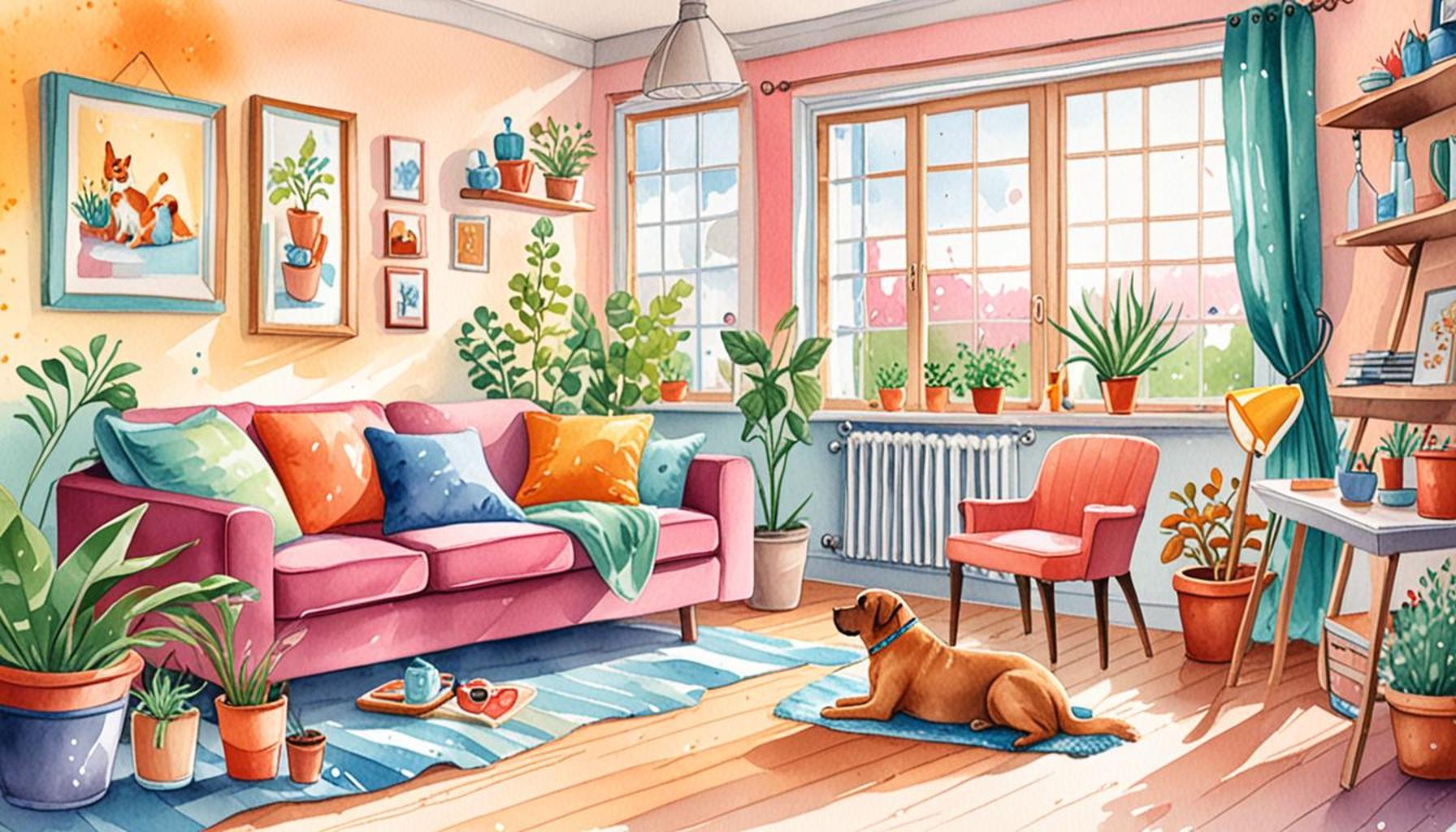
The home environment is undeniably pivotal in shaping the health and overall well-being of our cherished pets. Every element within our living spaces, from the air quality to the surfaces pets traverse, plays a significant role in their physical and emotional conditions. As responsible pet owners, we must scrutinize various aspects that can either bolster or jeopardize the health of these beloved companions.
Air Quality: The Breath of Life
Air quality is a critical component of pet health that often gets overshadowed. Poor ventilation, excessive dust, and airborne pollutants can lead to severe respiratory issues in pets, similar to those experienced by humans. In Nigeria, where rapid urbanization has led to increased pollution, maintaining clean air is even more important. For instance, using air purifiers and ensuring good airflow in the home can help mitigate these risks. Additionally, being mindful of smoking indoors or using heavily perfumed products can significantly improve the air quality for pets who have sensitive respiratory systems.
Cleanliness: A Foundation for Health
The cleanliness of our homes directly correlates to our pets’ health. Maintaining a clean home helps reduce the risk of parasite infestations, such as fleas, ticks, and worms. Regularly vacuuming carpets, washing pet bedding, and keeping litter boxes clean can go a long way in ensuring the well-being of pets. In Nigeria, where the warm climate can lead to increased insect activity, it is vital to utilize appropriate pest control measures that are safe for pets. This includes opting for natural repellents rather than harsh chemicals that could potentially harm them.
Safety Measures: Prevention is Better Than Cure
Ensuring that hazardous items are out of reach is essential for preventing injuries. Many common household items, such as cleaning agents, certain foods, and even household plants, can be toxic to pets. For instance, plants like the oleander or sago palm, prevalent in many Nigerian homes, are extremely toxic to dogs and cats. Taking preventive measures such as using childproof cabinet locks can help in keeping dangerous items secure and inaccessible to curious pets.
Space and Enrichment: A Healthy Mind Leads to a Healthy Body
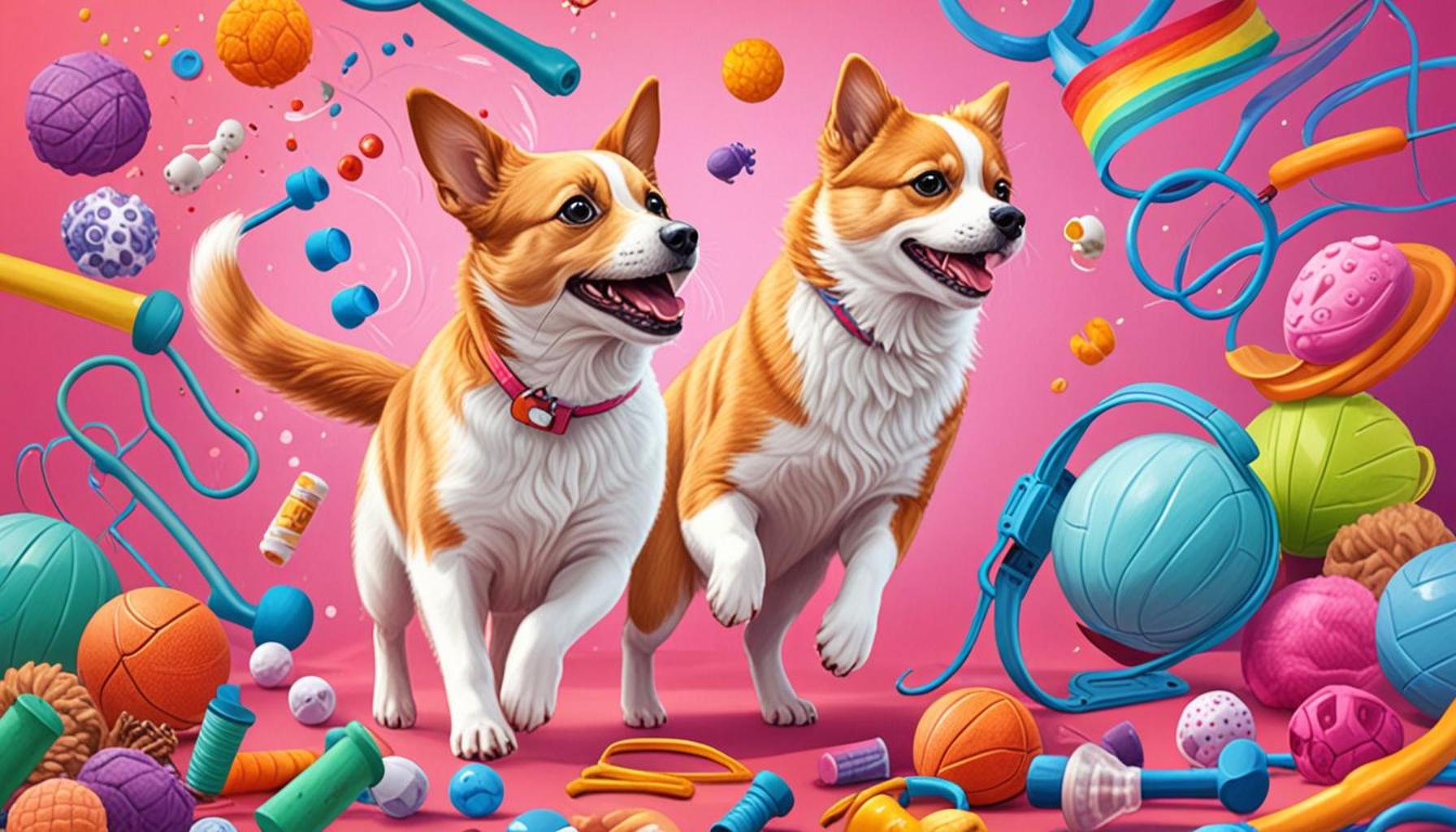
The amount of space and mental stimulation provided for pets greatly influences their mental health. Pets need room to explore and play, which is essential for their physical development and emotional well-being. Allocating play areas where pets can engage in interactive play or providing toys that stimulate their minds can help combat boredom and prevent behavioral issues. In Nigeria, creating an enriching environment for pets can be as simple as incorporating local materials, such as creating mazes with cardboard boxes or utilizing sticks and ropes for play. This not only provides physical exercise but also encourages cognitive development, making pets happier and healthier.
By understanding the multifaceted connection between the home environment and pet health, pet owners can create nurturing spaces that promote longevity and joy in the lives of their furry friends. With a blend of attention to air quality, cleanliness, safety, and enrichment, we can forge a path towards a holistic approach to pet care, ultimately leading to healthier, happier companions.
The Importance of Space and Mental Stimulation in Pet Health
Beyond the basics of cleanliness and safety, the amount of space and the level of mental stimulation within a home are key factors that dramatically influence pet health. Pets, much like humans, thrive in environments that offer both physical and mental opportunities for growth and exploration. Living in a confined space with minimal engagement can lead to various behavioral issues, including anxiety, aggression, and depression.
The Impact of Space on Pet Well-Being
For pets to feel secure and happy, they require sufficient space to roam, play, and engage with their environment. In urban areas of Nigeria, where housing can be limited, it is vital to optimize the available space for pets. Creating designated play zones with safe, accessible areas allows pets to express their natural behaviors. This is particularly important for larger breeds that need more room to move around.
Here are some considerations for making the most of your space:
- Creating Vertical Spaces: Installing shelves or cat trees allows pets to explore different levels, which can be especially beneficial for indoor cats.
- Establishing Play Zones: Designate specific areas for play with appropriate toys that cater to your pets’ instincts.
- Outdoor Space: If available, a secure garden or yard can provide pets with ample opportunities for exercise and fresh air.
Mental Stimulation: The Key to Preventing Boredom
Mental stimulation is crucial for maintaining a pet’s cognitive health. Animals that are frequently bored are prone to develop destructive behaviors—chewing furniture, excessive barking, or digging up the yard can all stem from insufficient mental engagement. Interactive toys, puzzle feeders, and training sessions are excellent ways to enrich a pet’s life. For instance, dogs can greatly benefit from obedience training, while cats might enjoy puzzle feeders that challenge them to think.
Engaging in regular activities not only combats boredom but also strengthens the bond between pets and their owners. Simple daily routines—such as going for a walk in the mornings or playing fetch during the evenings—can significantly enhance a pet’s mental state. When designed thoughtfully, even small spaces can transform into enriching habitats that enhance overall health.
Creating an Enriching Environment
Implementing simple changes can lead to a significant improvement in the lives of pets. Here are a few creative ideas to consider:
- DIY Enrichment Toys: Utilize household items like cardboard boxes to create mazes or hiding spots for treats.
- Interactive Play: Regularly schedule ‘play dates’ with other pets, if possible, to give them the social interaction they crave.
- Nature Walks: Take your pets on nature walks, allowing them to explore different scents and sounds in a safe environment.
By understanding how the home environment significantly shapes the mental and physical well-being of pets, owners can take proactive steps to create nurturing spaces that support health, happiness, and longevity. Investing in their overall environment is a crucial aspect of responsible pet ownership that reaps benefits for the entire family.
| Factor | Impact on Pet Health |
|---|---|
| Indoor Air Quality | Poor air quality can lead to respiratory issues in pets, including allergies and asthma. |
| Space | A cramped living area can restrict a pet’s movement, leading to obesity and related health problems. |
| Toxic Substances | Household chemicals and certain plants are harmful and can cause poisoning if consumed. |
| Noise Levels | High noise levels can induce stress and anxiety in pets, affecting their overall mood and behavior. |
When considering the health of our pets, the home environment plays a critical role. For instance, indoor air quality is often overlooked; however, poor ventilation and the presence of pollutants can significantly affect pets’ respiratory systems. Additionally, the available living space is crucial for a pet’s need for exercise and movement, particularly for larger breeds. A lack of space can contribute to obesity – a common and preventable condition in pets.Moreover, toxic substances within the home, such as cleaning products or certain houseplants, can pose serious health risks. Awareness of these hazards is essential for any pet owner wishing to create a safer home environment. Furthermore, the impact of noise levels in a household should not be underestimated, as constant exposure to loud sounds can lead to increased stress and anxiety, adversely affecting a pet’s mental health.These factors illustrate the importance of crafting a pet-friendly living space that promotes well-being, encourages physical activity, and mitigates health risks. By addressing these issues, pet owners are more likely to ensure happier and healthier lives for their beloved companions.
The Role of Nutrition and Diet in a Healthy Home Environment
A vital yet often overlooked aspect of a pet’s home environment is their nutrition and diet. The food pets consume directly impacts their overall health, energy levels, and behavior. The home is not only where pets live but also where their dietary needs are met; hence, owners must make informed decisions regarding their pets’ nutrition to foster a healthy living environment.
Selecting Quality Pet Food
When it comes to nutrition, quality should take precedence. In Nigeria, various brands offer pet food, but not all are created equal. Owners should be diligent in choosing foods that are rich in essential nutrients—proteins, vitamins, and minerals—while avoiding fillers like corn and soy that provide little nutritional benefit. Reading ingredient labels is crucial; the first few ingredients should ideally be whole foods or meats, as these point to higher quality products.
Additionally, some pets may have specific dietary requirements due to health conditions or age. Consulting with a veterinarian helps to ensure that pets receive balanced diets tailored to their individual needs. More Nigerian pet owners are beginning to recognize the importance of specialized veterinary diets, which frequently exist for pets with allergies, obesity, or digestive issues.
The Impact of Feeding Schedules
Beyond the quality of food, the feeding schedule can also contribute to a pet’s health. Establishing regular feeding times helps in regulating their metabolism and can prevent obesity. For example, rather than leaving food out all day, which could lead to overeating, owners should aim to serve meals at specific times. This approach encourages an orderly routine, reducing anxiety in pets who thrive on predictability.
<h3.The Dangers of Human Food
While it might be tempting to share human food with pets, it’s essential to be cautious. Many common household foods, such as onions, chocolate, and grapes, can be toxic to animals. Misunderstandings around “treats” can lead to serious health risks. Educating oneself on which human foods are safe and which should be entirely avoided creates a healthier home environment and safeguards against potential health hazards.
<h3.Incorporating Fresh Foods
There is a rising trend among pet owners in Nigeria to include fresh or homemade pet meals in their pet’s diet. This enables owners to control the ingredients and ensure that their pets are consuming wholesome foods. Ingredients like boiled chicken, carrots, and brown rice can serve as nutritious meal options, provided they are balanced and appropriate for the pet’s dietary requirements.
Furthermore, introducing some fresh fruits and vegetables can provide pets with necessary vitamins and minerals. Foods like blueberries and green beans can be good healthy snacks for dogs, while cats might enjoy small amounts of spinach or cucumber. The incorporation of fresh foods fosters better digestion and can help in maintaining a healthy weight.
In sum, the home environment plays a crucial role in the nutrition and dietary habits of pets. By prioritizing quality food, establishing structured feeding routines, and being mindful of harmful foods, pet owners can significantly enhance the health and well-being of their beloved companions. Each step taken towards better nutrition not only supports physical health but also contributes positively to the overall mood and behavior of pets, creating a happier household for both pets and their owners.
Conclusion: The Harmonious Balance Between Home Environment and Pet Health
Understanding how the home environment affects pet health highlights the significant interconnection between our living spaces and the well-being of our furry companions. From clean and safe surroundings to mindful nutrition choices, every facet of the home shapes the lives of our pets. Ensuring a healthy domicile not only enriches their physical health but also nourishes their emotional and mental states.
As we delve deeper into the essentials of pet care, it becomes evident that investing time and effort into creating an optimal environment pays dividends. Providing a safe and nurturing space, prioritizing quality nutrition, and adhering to structured routines contributes to happier, healthier pets. It’s crucial for pet owners to remain vigilant about their pets’ needs, making educated choices about diet and lifestyle while also cultivating a stimulating home atmosphere.
Furthermore, as more Nigerian pet owners become aware of the health benefits that stem from proper care, the growing trend of holistic pet care is emerging. By adopting a comprehensive approach that values proper nutrition, physical activity, and emotional well-being, we can ensure that our pets not only survive but thrive. This evolving understanding empowers owners to take actionable steps, leading to a remarkable quality of life for their beloved animals.
In conclusion, our pets depend on us to create a healthy sanctuary that promotes their overall well-being. With our dedication and informed choices, we can cultivate an enriching home environment that supports their health, happiness, and long-term vitality.