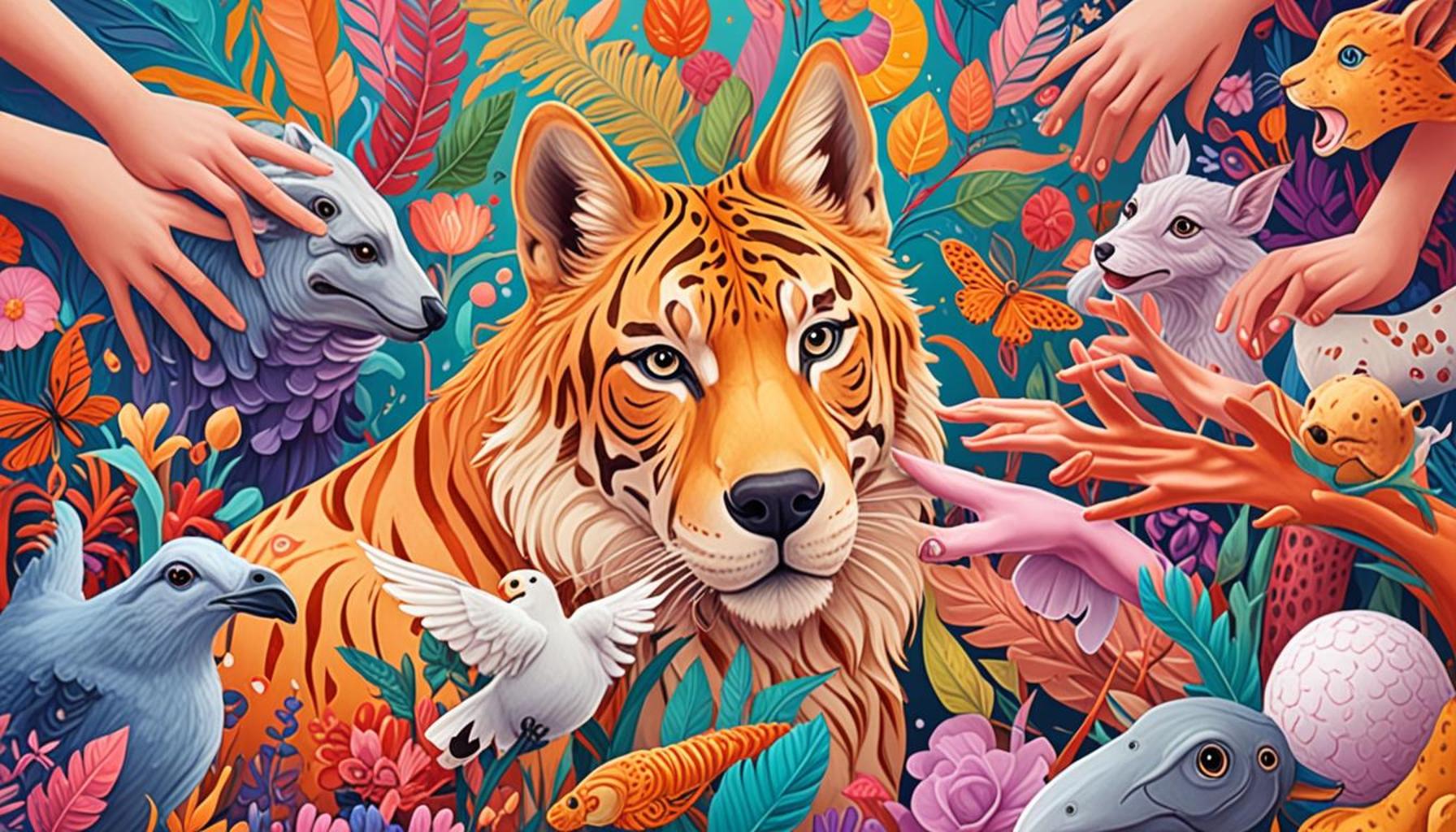
The impact of socialization on pets’ emotional health

The Emotional Well-being of Our Pets
The bond between humans and pets is often profound, but the emotional health of our furry companions is intricately linked to their experiences within their surroundings. Socialization is a cornerstone of pet well-being, influencing not only how they behave but also how they interact with the world around them. For pet owners in Nigeria, grasping the significance of socialization is essential for nurturing healthier and more balanced pets.
Defining Socialization in Pets
Socialization encompasses exposing our pets to an array of experiences, interactions, and environments that help them understand and navigate the world around them. This process builds their confidence and teaches them to respond appropriately to various stimuli. Key components of pet socialization include:
- Interacting with other animals: Allowing your pet to meet and play with dogs, cats, and other animals helps them learn to communicate and behave in the presence of their peers.
- Exposure to diverse environments: Introducing your pet to different settings, from bustling markets to quiet parks, equips them with the resilience to adapt to new situations.
- Positive experiences with unfamiliar people: Encouraging friendly interactions with different individuals can alleviate fear and enhance trust, fostering healthy relationships.
The Benefits of Effective Socialization
A well-socialized pet is one that not only enjoys a harmonious existence with humans and other animals but also helps create a peaceful environment. Effective socialization can lead to several benefits, including:
- Improved obedience and training: A socialized pet is generally more responsive to commands, as they are accustomed to various settings and stimuli.
- Enhanced trust in humans and other pets: Through positive interactions, pets learn to associate human presence with safety and companionship.
- Reduced fear and stress levels: Pets that are regularly socialized are less likely to react with anxiety or aggression in unfamiliar situations, leading to a calmer pet.
The cultural landscape of Nigeria, rich with bustling markets, vibrant festivals, and communal gatherings, provides ample opportunity for pet socialization. Engaging pets in such environments can help them thrive and better integrate into family life.
Moreover, understanding how to effectively socialize your puppy or kitten ensures a more fulfilling relationship between pets and their humans. As neighbors share tips and experiences regarding their pets, a sense of community develops, benefiting all involved. By investing time into socializing your pet, you are not only improving their mental health but also enriching the lives of those in your community. The ripple effect of a well-socialized pet contributes positively to the larger fabric of society, creating a network of responsible pet ownership.
In conclusion, prioritizing socialization is vital for pet owners who wish to cultivate a loving and stable environment for their animals. It is a journey of discovery that fosters not just individual happiness, but community connection as well.
Understanding the Link Between Socialization and Emotional Health
Socialization is not merely a task; it is a journey that shapes the entire emotional landscape of our pets. The impact of socialization on pets’ emotional health cannot be overstated. As pets experience various interactions and environments, they develop coping mechanisms and behavioral responses that reflect their comfort levels and emotional well-being. Understanding this relationship allows pet owners to create environments where their beloved companions can flourish.
The Psychological Framework of Socialization
At the core of pet psychology lies the concept that early socialization plays a critical role in shaping behavior patterns. During the formative stages of a pet’s life, particularly in puppies and kittens, exposure to different stimuli is crucial. This helps them form a well-rounded personality. The emotional repercussions of insufficient socialization can manifest as:
- Destructive behaviors: Pets that lack social exposure may resort to destructive chewing or scratching, driven by anxiety and boredom.
- Social anxiety: Fearful responses to new experiences, sounds, or people can develop, causing pets to retreat from social interactions altogether.
- Aggression: Unsocialized pets might react aggressively when encountering unfamiliar animals or humans, perceiving them as threats.
Creating a proactive socialization strategy is especially vital in the vibrant cultural context of Nigeria, where festivals, community events, and gatherings are commonplace. These occasions can be leveraged to introduce pets to new sounds, sights, and people, thereby broadening their horizons and reinforcing positive emotional health.
How Socialization Affects Daily Interactions
A well-socialized pet is likely to exhibit more balanced emotions. The benefits of effective socialization particularly resonate in daily interactions, which include:
- Calmer behavior during excursions: Pets who have encountered bustling environments during their formative years are less likely to express fear or aggression in crowded spaces.
- Easier management in public settings: A socialized pet is more adaptable in various circumstances, making outings, such as trips to the market or family gatherings, enjoyable for both the pet and owner.
- A stronger bond with humans: Positive experiences with different people ultimately enhance the trust and companionship between pets and their owners, leading to richer relationships.
Recognizing the importance of socialization early on can pave the way for a happier, healthier, and emotionally stable pet. In Nigeria, as communities become increasingly pet-friendly, there is an opportunity for collective improvement in the emotional health of pets across households. By encouraging responsible socialization practices, pet owners can contribute not only to individual animal welfare but also to the overall happiness of their communities.
In summary, the profound impact of socialization on the emotional health of pets emphasizes the importance of early and consistent exposure to varied experiences. As we continue to explore this relationship, the findings reveal that nurturing pets through socialization fosters not only emotional resilience but also a richer tapestry of companionship within our families and communities.
The Impact of Socialization on Pets’ Emotional Health
As pet owners, we often overlook the profound effects that socialization has on our beloved companions. The way pets interact with humans, other animals, and their environment plays a critical role in their emotional well-being. Socialization, especially during their formative years, can shape a pet’s behavior and temperament, leading to happier, healthier lives. One of the most notable advantages of socialization is the reduction of stress and anxiety in pets. Animals that are well-socialized are typically more comfortable and less fearful in new situations. For instance, a dog that regularly interacts with different environments and other pets is less likely to exhibit aggressive behavior or fearfulness when confronted with unfamiliar circumstances. This adaptability contributes not only to their emotional health but also enhances their overall quality of life. Furthermore, socialization fosters friendship and companionship. Pets that frequently engage with their peers and humans are more likely to develop positive relationships. Research indicates that socialized pets exhibit decreased behavioral issues, as they are less prone to feelings of loneliness and depression. Instead, they thrive on the attention received during playtime with other pets and humans, cultivating a sense of belonging that is essential for their emotional stability. To explore these benefits further, let’s take a look at a succinct overview of the advantages of socialization in pets in the table below:
| Advantage | Description |
|---|---|
| Reduction of Stress | Socialized pets show less fear and anxiety, adjusting more easily to new surroundings. |
| Enhanced Relationships | Regular interaction fosters strong bonds with humans and other animals, promoting emotional health. |
Understanding the critical role of socialization is essential for all pet owners. Ensuring your pet engages socially can lead to enhanced emotional and psychological health. Investigating effective methods for socializing pets can unveil additional benefits that foster happiness and stability in their lives.
Socialization: The Cornerstone of Emotional Stability
As our understanding of pet psychology advances, it becomes increasingly clear that socialization is not just a luxury; it is a necessity. This is especially pertinent in Nigeria, where the dynamics of urban living expose pets to a diverse range of stimuli. From bustling markets in Lagos to serene parks in Enugu, every interaction contributes to the emotional health of our pets, offering them a chance to thrive.
The Role of Positive Experiences
Positive experiences during socialization form the foundation of a pet’s emotional resilience. While it is easy to focus on the negative consequences of a lack of socialization, it is equally important to highlight the benefits that come from meaningful interactions. For instance:
- Confidence building: Pets who encounter friendly strangers and other animals in positive settings are more likely to develop confidence in themselves and their surroundings. Regular visits to dog parks or community events allow pets to socialize with their peers, reinforcing their sense of security.
- Stress reduction: Engaging in various experiences helps reduce stress levels in pets. Activities such as meeting new people during family gatherings can alleviate anxiety, making pets feel accepted and relaxed in their environment.
- Improved adaptability: Socialized pets often exhibit greater adaptability to changing situations. Whether it’s adapting to a new home or coping with the sounds of a bustling street, their earlier exposure to varied environments lays the groundwork for emotional flexibility.
Moreover, a study cited by the American Kennel Club underscores that pets exposed to various social environments during critical developmental windows are better equipped to handle disruptions in their daily lives. For instance, a dog accustomed to various noises is less likely to react fearfully to the sound of fireworks during celebrations. These insights provide compelling reasons for Nigerian pet owners to prioritize socialization.
Community Engagement and Socialization Opportunities
In Nigeria’s vibrant community settings, there are numerous platforms to promote socialization for pets. Local events such as pet parades, adoption fairs, and training workshops serve as excellent venues for both pets and their owners to bond with others. Participating in such activities not only allows pets to interact but also encourages responsible pet ownership.
- Pet-friendly festivals: With an increasing number of festivals that welcome pets, these events offer a perfect opportunity for pets to meet diverse groups of people and other animals. They can encounter everything from traditional music to colorful parades, expanding their comfort zones.
- Community training sessions: Group training classes designed for pets provide a structured approach to socialization. Such sessions can help pets learn essential skills while also allowing them to interact with other animals in a controlled environment.
- Public parks and dog runs: Utilizing local parks for consistent playdates and dog runs can create a safe space for pets to explore and engage. Regular visits reinforce positive behaviors and reduce anxiety associated with new experiences.
By leveraging the wealth of socialization opportunities available within Nigerian communities, pet owners can play a crucial role in enhancing their pets’ emotional health. Emphasizing the importance of engaging with the community not only benefits the pets but strengthens community bonds and promotes responsible pet ownership.
As we delve deeper into the significance of socialization, it becomes evident that fostering emotional well-being in pets enriches their lives and contributes positively to the human-animal bond. By understanding the nuances of socialization and actively participating in community-based initiatives, we can ensure our pets lead emotionally fulfilling lives.
Conclusion: The Path to Emotional Wellness through Socialization
In conclusion, the impact of socialization on pets’ emotional health cannot be overstated. It is evident that positive interactions play a pivotal role in shaping a pet’s emotional landscape, enhancing their confidence, adaptability, and overall well-being. As we face the unique challenges of pet ownership in Nigeria, from the cacophony of city life to the need for nurturing companionship, the advantages of socializing our furry friends become increasingly critical.
Engaging our pets through community events, training sessions, and social outings can significantly improve their emotional resilience. By opting for pet-friendly festivals or regular visits to local parks, owners not only provide their pets with essential social exposure but also strengthen the bond between themselves and their companions. This shared journey toward emotional health fosters a more harmonious environment for both pets and owners.
Moreover, understanding the crucial periods for social development can help pet owners make informed decisions that lead to enriched lives for their pets. Studies affirming that pets who experience diverse engagements are better equipped to handle stress underline the necessity of a proactive approach to socialization.
As Nigerian society grows more aware of its responsibilities towards pets, let us champion the cause of socialization for emotional health. By continuing to explore and engage in available community resources, we not only enhance the emotional welfare of our pets but also cultivate a compassionate, responsible pet-owning culture. Investing in our pets’ social experiences today paves the way for healthier, happier companions tomorrow.