Advanced Obedience Training Techniques for Dogs: Challenges and Solutions
Navigating Advanced Obedience Training for Dogs
Training a dog is more than just teaching a few commands; it’s a lifelong partnership that evolves as the dog grows and changes. When a dog matures, its training requirements may shift, and this is where advanced obedience training comes into play. In many Nigerian environments, owners often contend with unique challenges, from bustling streets filled with pedestrians to the presence of other animals. These distractions can significantly test an owner’s patience and a dog’s obedience.
Common Challenges in Advanced Training
- Distractions from people or other animals: In a lively Nigerian market or on a crowded street, the allure of other dogs or the excitement of people can easily divert a dog’s attention. This can lead to inconsistent responses to commands, requiring owners to find ways to refocus their pets.
- Inconsistent behavior during training: Dogs may respond well in a quiet environment but struggle with obedience when immersed in stimulating situations. This dissonance is common and demands adaptive training strategies to bridge the gap.
- Lack of focus in noisy environments: Whether it’s the honking of cars in Lagos or the bustling sounds of a local festival, external noise can make it difficult for dogs to concentrate on their training. Owners need to create effective strategies to cultivate their dog’s focus, even amidst chaos.
Essential Techniques for Advanced Training
- Clicker training for precise communication: This method involves using a clicker device that marks the exact moment a desired behavior is displayed, allowing for clear and immediate feedback to the dog. This technique is particularly effective in noisy environments where verbal commands may not be clearly heard by the dog.
- Positive reinforcement methods: By rewarding desirable behaviors with treats, praise, or play, owners can encourage their dogs to repeat these behaviors. This approach not only fosters good habits but also strengthens the emotional bond between owner and pet.
- Behavior shaping for gradually developing complex skills: Instead of demanding a complete skill from the start, this technique focuses on rewarding small steps towards the desired behavior. For example, if training a dog to fetch, initially rewarding the dog for simply moving toward the ball can build towards attaining the full action.
Mastering advanced obedience training techniques and effectively addressing common challenges can lead to a more harmonious relationship between dogs and their owners. In Nigeria, where dog ownership is influenced by diverse cultural practices, adapting training methods to fit the local context can greatly enhance success. Engaging local dog trainers who understand the unique behaviors of Nigerian breeds and their environmental contexts can provide invaluable insights.
As we progress through this article, readers will find practical solutions to overcoming training obstacles. These methods not only enhance a dog’s discipline but also fortify the essential bond shared between a pet and its owner, ultimately leading to a more enjoyable companionship.
Understanding the Unique Challenges of Advanced Dog Training
In the quest for a well-behaved canine companion, advanced obedience training can be a game-changer. However, it is vital to recognize the various challenges that dog owners may encounter during this phase. Factors such as the dog’s environment, its temperament, and even the owner’s training experience can create obstacles that require thoughtful solutions. Particularly in Nigeria, where urban life brings its own set of distractions, understanding these challenges becomes essential for effective training.
Identifying Key Challenges in Advanced Dog Training
- Street buses and scooters: Urban areas, especially cities like Lagos or Kano, are filled with moving vehicles and fast-paced life. The noise and activity can overwhelm pets, causing them to lose focus. Establishing commands in these environments often requires repetition and patience.
- Presence of stray animals: Many areas in Nigeria have a significant population of stray dogs and cats. The instinctual drive for dogs to chase or investigate these animals can lead to unsafe situations and impede training progress. As such, owners must effectively channel their dog’s energy into positive behaviors.
- Cultural influences: The diverse cultural attitudes towards dogs can also pose challenges. Some communities may view dogs differently, which can lead to varying levels of socialization opportunities for the pets. Understanding the local context is vital in ensuring that dogs are exposed to different stimuli in a controlled and safe manner.
These challenges can be disheartening but recognizing them is the first step towards successful training. Realizing that setbacks are part of the journey allows owners to remain adaptable in their approach. In this challenging environment, it’s crucial to leverage effective techniques that can aid dogs in overcoming distractions.
Proven Techniques to Overcome Training Challenges
- Structured desensitization: Gradually exposing dogs to distracting stimuli in a controlled setting can help them build resilience. For instance, allowing your dog to observe busy streets from a safe distance before introducing them to the sound of traffic is an effective strategy.
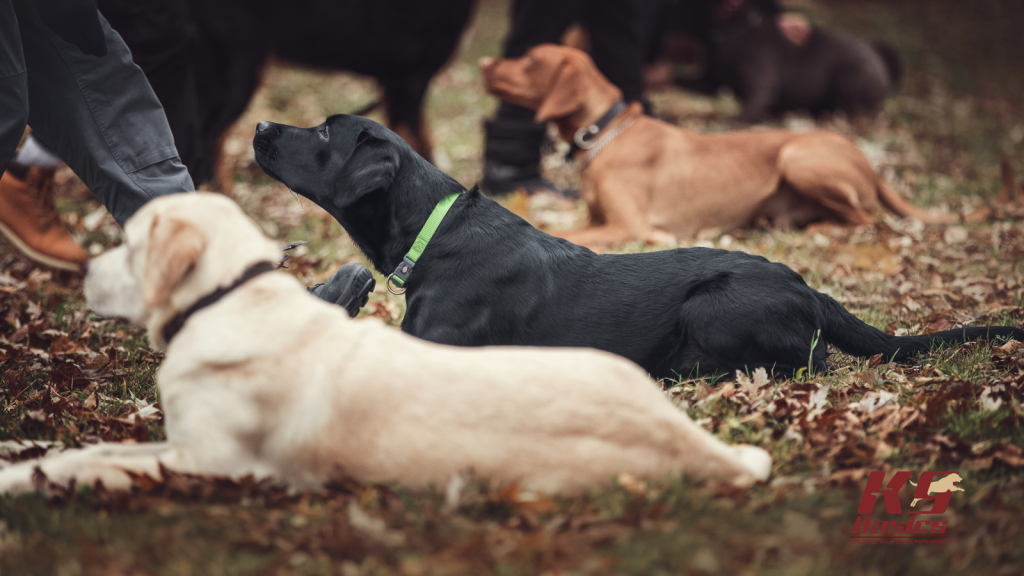
- Engaging in group training: Participating in group training sessions not only provides social exposure but also teaches dogs to maintain focus amidst distractions. This setting allows owners to observe and learn from each other, sharing solutions to common challenges.
- Utilizing environmental cues: Incorporating signals from the environment, such as stopping at a corner or waiting at crossings, can help dogs understand commands better. These cues reinforce obedience while appealing to the dog’s natural instincts.
By utilizing these advanced techniques, owners in Nigeria can better manage the training challenges they face. It is crucial to remember that advanced obedience training is a continuous process, requiring diligence, creativity, and adaptability. As we delve deeper into this article, we will explore more specific solutions and strategies tailored to improve advanced obedience in dogs, ultimately leading to a more rewarding relationship between dogs and their owners.
| Training Techniques | Key Benefits |
|---|---|
| Clicker Training | Promotes effective communication and reinforces positive behavior through a clear sound signal. |
| Positive Reinforcement | Encourages desired behaviors by rewarding good actions, building a strong bond with your dog. |
| Desensitization Techniques | Helps dogs overcome fears and anxieties by gradually exposing them to their triggers in a controlled environment. |
| Interactive Games | Enhances mental stimulation and focus, while making training enjoyable and engaging for dogs. |
Incorporating advanced obedience training techniques can significantly address common challenges faced by dog owners, such as behavioral issues, lack of focus, and anxiety. Understanding and implementing these techniques will not only improve your dog’s obedience but also transform the relationship you share. Explore these tactics further and see how they can work in your favor, ensuring a harmonious coexistence with your canine companion.
Enhancing Advanced Training with Tailored Approaches
Once dog owners understand the challenges inherent in advanced obedience training, the next step is to implement tailored approaches that address these obstacles effectively. Each dog is unique; therefore, customizing training methods to suit individual needs can significantly enhance a dog’s learning experience. The following strategies are designed to connect with canine instincts, making obedience training not only more effective but also enjoyable.
Utilizing Positive Reinforcement Techniques
- Clicker training: This technique is powerful in reinforcing desired behaviors. By using a clicker to mark the exact moment a dog performs an action correctly, owners can create a clear connection between the behavior and the reward. This immediate feedback can be particularly beneficial in bustling environments where distractions are abundant.
- Variable rewards: Instead of providing a treat every single time a dog complies, varying the rewards can keep the dog engaged and encourage them to repeat the desired behavior. This method of reinforcement prevents dogs from becoming too dependent on treats and fosters a deeper commitment to obeying commands.
- Setting realistic achievable goals: It’s crucial to break down training tasks into smaller, more manageable segments. For instance, instead of expecting a dog to perform complex tricks immediately, owners can focus on mastering simpler commands first, gradually building up to more challenging exercises. This approach can minimize frustration for both the dog and the handler.
Establishing a Comprehensive Routine
Consistency is key in shaping a dog’s behavior, especially in an advanced training setting. Establishing a daily routine can reinforce learning and help dogs understand what is expected of them. Here are some effective tools to maximize consistency:
- Regular training sessions: Short, frequent training sessions can be more beneficial than infrequent, prolonged sessions. Aim for 5 to 10-minute bursts throughout the day to keep the dog engaged without overwhelming them.
- Incorporating training into everyday activities: Regular tasks, such as walks or playtime, can serve as training opportunities. For example, asking the dog to sit before crossing the street helps reinforce obedience while reinforcing safety.
- Establishing a command vocabulary: Building a clear command vocabulary that is unique to the owner can reduce confusion. Consistent terminology and hand signals can aid comprehension and enable quicker responses, even amidst various distractions.
Investing in Specialized Training Workshops
In Nigeria, the presence of numerous dog training workshops can provide valuable resources for owners looking to advance their dogs’ obedience skills. Workshops often cover specialized areas such as agility training, scent work, or advanced obedience classes that fit particular lifestyles or dog breeds. These sessions offer not only professional guidance but also the chance to network with other dog enthusiasts, sharing insights and experiences.
Additionally, collaborating with professional trainers who understand local conditions can further enhance training effectiveness. Individuals can gain access to tailor-made programs that are responsive to their dog’s unique traits, fostering a more energetic and balanced obedience journey.
As pet owners explore these advanced training techniques, they not only equip their dogs with critical skills but also forge stronger bonds through understanding and communication. The willingness to adapt training methods in response to the evolving needs of the dog is central to achieving lasting progress in advanced obedience.
Conclusion: A Transformative Journey in Advanced Obedience Training
In the realm of Advanced Obedience Training Techniques for Dogs, the path to success is paved with understanding, patience, and adaptability. By acknowledging the inherent challenges, from distractions in diverse environments to individual behavioral quirks, dog owners can formulate strategies that cater specifically to their pet’s needs. The implementation of positive reinforcement, such as clicker training and variable rewards, fosters an engaging atmosphere conducive to learning, while setting realistic achievable goals ensures that both dog and handler remain motivated throughout the training process.
Moreover, establishing a comprehensive routine through consistent training and incorporating lessons into daily life not only builds structure but strengthens the bond between pets and their owners. Investing in specialized training workshops tailored to the unique characteristics of local dog breeds presents an invaluable opportunity for pet owners in Nigeria to enhance their training skills while connecting with a community of fellow dog lovers.
Ultimately, the quest for advanced obedience is a profound journey of mutual growth and understanding. As pet owners cultivate patience and flexibility, they will witness remarkable transformations in their dogs. This journey not only equips dogs with vital obedience skills but also fosters deeper relationships built on trust and communication. The commitment to ongoing education and adaptation is key to unlocking a harmonious coexistence with our canine companions, leading to joyful experiences as they thrive in both urban and rural settings.