Dog Training in Urban Environments: Strategies for Dealing with Distractions
Challenges of Dog Training in Urban Settings
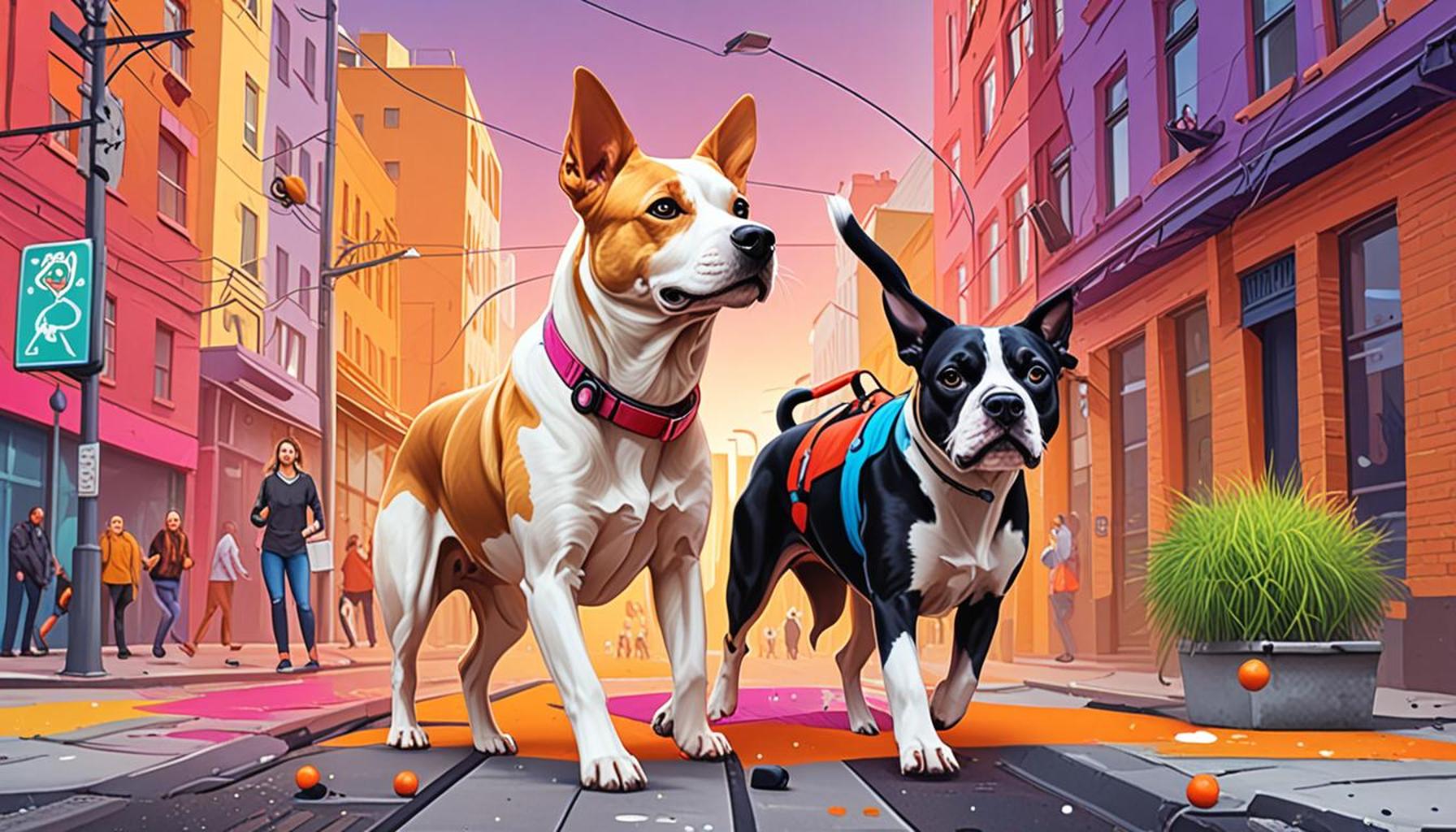
Training a dog in an urban environment presents unique challenges and distractions. The vibrant city life, characterized by busy streets, bustling markets, and crowded parks, exposes your furry friend to numerous stimuli that can easily divert their attention. This environment creates a critical need for effective training, both to ensure their safety and to foster obedience.
In a city setting, dogs are constantly bombarded with stimuli that can disrupt their focus. The distractions are varied and can be overwhelming. Consider the multitude of issues you might encounter during training sessions:
- Loud Noises: The urban soundscape is filled with honking cars, construction sounds, and the hum of crowds. These sudden noises can startle your dog and draw their attention away from you, making commands more difficult to enforce.
- Other Animals: Urban areas often have a diverse array of wildlife, from cats darting across streets to dogs barking nearby. A curious dog may be tempted to chase after these animals, leading to potential misunderstandings with other pets or their owners.
- People: The dense population includes children playing, joggers, and street vendors, all of whom can capture your dog’s attention. This interaction might be challenging to navigate, especially when a dog tries to approach a stranger or if they become distracted during training exercises.
For urban dog owners, such as many in Nigeria, traditional training methods may not suffice. Urban surroundings require a deeper understanding of the various dynamics at play. For example, during the festive seasons in markets like Balogun Market in Lagos, the vibrant atmosphere can be overwhelmingly stimulating for dogs, complicating training efforts.
Implementing tailored strategies to cope with these distractions can make a significant difference. Here are some methods you might consider:
- Use High-Value Treats: When distractions are almost inevitable, ensure you have your dog’s favorite treats to keep them engaged. This helps in maintaining their focus during training sessions, particularly in bustling environments.
- Short Training Sessions: In an urban setting, keeping training sessions short but frequent can help reinforce good behavior without overwhelming your dog with distractions. Aim for 5-10 minute sessions several times a day to maintain their interest.
- Positive Reinforcement: Always reward good behavior, especially in distracting situations. This method builds a positive association and encourages your dog to remain focused, even in busy areas.
In the sections to come, we will delve deeper into practical techniques and insights specifically crafted for dog owners maneuvering through the complexities of city life. By equipping yourself with effective training strategies, you can ensure your dog thrives amidst the rich tapestry of urban distractions, transforming potential challenges into opportunities for growth and companionship.
Effective Training Techniques for Urban Environments
In the heart of bustling cities, dog training demands not just routine techniques but also an innovative approach to understand and counteract distractions. In urban environments like Lagos, where honking horns and street hawkers are commonplace, dog owners find themselves navigating a unique set of challenges. Thus, it’s essential to adapt training methods that transform distractions into learning opportunities for your pet.
Set the Scene for Success
One crucial starting point is choosing the right location for your training sessions. While a quiet park might initially seem ideal, it’s essential to gradually introduce your dog to more stimulating environments. This gradual exposure helps to build their resilience against distractions. Consider beginning your training in a less crowded area and slowly move to busier settings, allowing your dog to adjust their focus incrementally.
Mind Your Timing
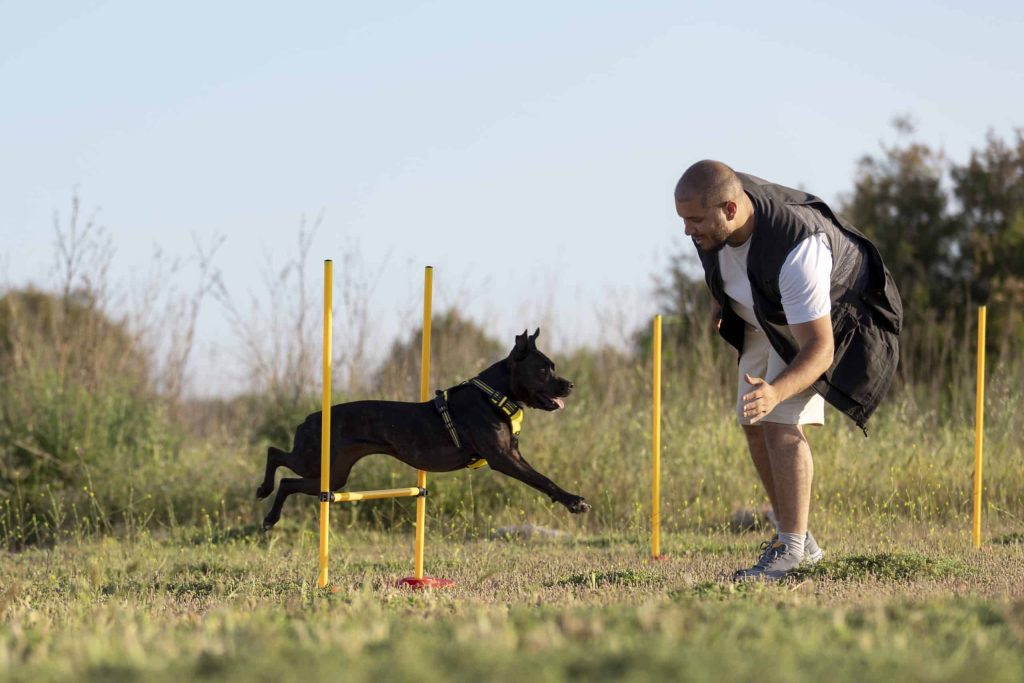
Timing can play a pivotal role in effective dog training. Urban environments often present peak hours of activity that may overwhelm your dog. For example, while training near bustling markets or food stalls, opt for times when the crowds are thin. Early mornings or late evenings are generally quieter and can provide a less distracting backdrop for your training efforts.
Incremental Desensitization
A strategy that can work wonders is to use a method called incremental desensitization. Start your training routine by establishing a solid foundation at home, where the distractions are minimal. Gradually introduce your dog to urban stimuli, monitoring their reactions closely. If your dog becomes distracted or agitated, take a step back and return to a less stimulating environment. This patience fosters confidence in your dog and teaches them to maintain focus despite distractions.
Utilizing Distractions as Training Tools
Rather than viewing distractions solely as obstacles, they can be transformed into valuable training tools. When out in the streets, simulate distractions deliberately. For example, request a “sit” command when a jogger passes or use a “leave it” command when a stray cat catches their eye. Reinforcing these commands with positive reinforcement, such as treats or praise, solidifies your dog’s ability to remain focused despite external stimuli.
Keep Your Dog Engaged
Determining the best way to keep your dog attentive amidst distractions is crucial. Here are some strategies to ensure your dog stays engaged:
- Interactive Toys: Consider bringing interactive toys that encourage your dog to focus while navigating urban environments. Puzzle toys can keep their minds engaged even with distractions around.
- Frequent Breaks: Plan short, engaging training sessions that include frequent breaks for your dog to rest and recharge, preventing them from becoming overwhelmed.
- Fluid Commands: Practice commands like “watch me” to redirect their focus back to you when their attention strays. This creates a habit of checking in, thereby strengthening your bond.
As you delve deeper into training, remember that every command reinforced in a distracting environment can significantly enhance your dog’s overall behavior. The urban setting may seem daunting, but with the right strategies and consistent practice, you will pave the way for a confident companion capable of thriving amidst the distractions of city life.
| Advantage | Description |
|---|---|
| Enhanced Focus | Training in environments with distractions helps dogs develop stronger concentration skills, resulting in better responses to commands. |
| Real-World Preparedness | Urban settings provide a variety of stimuli, allowing dogs to learn to cope with noise, crowds, and movement, preparing them for everyday life. |
When training dogs in the bustling surroundings of urban locales, it’s vital to incorporate a variety of techniques to address the unique challenges present. An essential strategy is to expose your dog to different distractions gradually, reinforcing their ability to remain calm amidst chaos. By starting in low-distraction scenarios and slowly increasing the stimuli, dogs can learn to focus longer and resist impulses.Another critical aspect of urban dog training is the concept of positive reinforcement. Utilizing treats, praise, or toys as rewards for good behavior can effectively encourage dogs to respond, even in distracting environments. This principle not only strengthens their training but also deepens the bond between the handler and the pet.Finally, incorporating obedience work into daily urban routines, such as practicing “sit” or “stay” at busy crosswalks or during park visits, emphasizes practical training. Urban training scenarios also provide invaluable socialization opportunities, exposing dogs to various people and other dogs. This exposure can mitigate anxiety and promote a more well-adjusted pet, ensuring that your furry friend is not only well-behaved but also confident in diverse settings.
Building a Strong Foundation for Urban Training
To successfully train your dog amidst the urban chaos, it’s essential to establish a strong foundation before tackling more challenging environments. This begins at home, where your dog is most comfortable and can learn fundamental commands without the surrounding noise of street vendors or traffic. Start with basic commands such as “sit,” “stay,” and “come,” ensuring your dog understands these cues well. This groundwork will significantly enhance their responsiveness when faced with distractions.
The Importance of Consistency
Consistency in your training routine is vital, especially in urban settings filled with unpredictable stimuli. Dogs thrive on routine, and by adhering to a consistent training schedule, you can create a structured environment that will help your dog feel secure. Aim for short, frequent training sessions throughout the day rather than long, overwhelming ones. This approach will retain your dog’s attention longer and reinforce their learning effectively.
Leash Training Techniques
One of the most critical aspects of urban dog training is mastering leash control. A well-trained dog on a leash can navigate crowded streets without pulling or becoming overwhelmed. Start with leash training in quiet areas, gradually exposing your dog to more bustling sidewalks. Important techniques include:
- Loose Leash Walking: Reward your dog for staying close to your side, creating a positive association with walking on a loose leash.
- Stop and Go: When out for a walk, practice frequent stops. If your dog starts to pull, stop moving until they return to your side, teaching them patience and attentiveness.
- Use of Head Halters: For dogs who are particularly reactive to distractions, a head halter can offer more control and can help keep them focused on you rather than the bustling environment.
Socialization with Other Dogs and People
Socialization plays a crucial role in urban dog training. In a city, your dog will encounter various people, pets, and situations. As the saying goes, “A well-socialized dog is a well-behaved dog.” Arrange playdates with other dogs or take your dog to dog parks during quiet hours to ensure they become comfortable in mixed company. It’s essential that these interactions are positive; always supervise your dog to ensure they’re not overwhelmed and can build confidence gradually.
Incorporating Local Environments into Training
Embrace the urban landscape by incorporating diverse local environments into your training repertoire. Utilize urban spaces like cafes, markets, and parks with foot traffic to create real-world training scenarios. For instance, practicing commands at outdoor markets can help your dog learn to focus in stimulating situations. Introducing your dog to a variety of surfaces – grass, concrete, and tiles – can also build their confidence and adaptability to different settings that they may encounter in the city.
Utilizing Local Resources
Engaging with local dog trainers or attending training classes can provide opportunities for your pet to learn in a structured environment. Numerous training facilities across cities like Lagos offer specialized programs aimed at urban challenges. Joining these sessions not only equips your dog with new skills but also connects you with a community of dog owners sharing similar experiences.
With these robust strategies, dog training can transform from a challenge to an enjoyable process, even in the fast-paced urban environment. By focusing on building a strong foundation, establishing consistency, honing leash skills, socializing effectively, and utilizing local resources, you elevate your dog’s training experience, preparing them to thrive in the bustling cityscape.
Conclusion: Navigating Urban Dog Training Challenges
In conclusion, dog training in urban environments presents unique challenges that require tailored strategies to ensure success. As cities like Lagos continue to grow, dog owners must equip themselves with the right tools and techniques to manage distractions effectively. By establishing a strong foundation at home, consistently reinforcing commands, and mastering essential leash techniques, you can foster a responsive and well-behaved dog, regardless of the bustling surroundings.
Socialization with various people and pets is critical in shaping your dog’s behavior and confidence. The urban landscape should be embraced as an opportunity for diverse training experiences. Utilize local parks, markets, and cafes to expose your dog to real-world scenarios that promote learning and adaptation. Furthermore, engaging with professional trainers and attending local classes can provide valuable insights and a supportive community, allowing you to share best practices with fellow dog owners.
Ultimately, the journey of dog training in urban settings can be a gratifying endeavor that strengthens the bond between you and your canine companion. By remaining patient, observant, and committed to ongoing learning, you can help your dog thrive in the vibrant environment of the city. As you explore these strategies, remember that every small improvement counts, inching closer to a harmonious coexistence in the fast-paced urban slice of life.