Using Clicker Training to Enhance the Effectiveness of Pet Training

Understanding Clicker Training for Pets
Many pet owners often find themselves frustrated when traditional training techniques yield lackluster results. Thankfully, clicker training provides a refreshing and scientifically supported alternative that not only enhances the training experience but also makes it enjoyable for both pets and their owners. At its core, clicker training employs a simple device—a clicker—that emits a distinct sound, which serves to mark the precise moment a pet exhibits a desired behavior. This method effectively bridges the communication gap between humans and animals.
The mechanism behind clicker training involves pairing the sound of the click with a reward, typically a treat or praise, which helps pets quickly connect their actions with positive reinforcement. Over time, this fosters an understanding of what behaviors are encouraged, leading to faster and more reliable learning. Here are some crucial benefits that make clicker training stand out:
- Clear communication: The clicker sound indicates precisely what behavior is being rewarded, leaving no room for confusion. For example, if you want your dog to sit, the clicker can help them recognize that action immediately after they perform it.
- Faster learning: Studies have shown that animals trained with clickers tend to grasp commands more efficiently than those trained using traditional methods. This is particularly advantageous in fast-paced environments, like bustling cities in Nigeria, where distractions abound.
- Strengthened bond: The interactive nature of clicker training fosters a deeper relationship between pet and owner. This bond is especially vital in a country like Nigeria, where many pet owners and their furry companions share close quarters. Ensuring that training sessions are fun promotes joy and camaraderie.
As pet ownership continues to rise in Nigeria, many owners are eager to find effective methods to train their dogs and cats. New pet owners may feel overwhelmed, but mastering clicker training can significantly simplify the process, yielding well-behaved and content companions. Additionally, this technique is adaptable; it is not limited to young pets—older animals can also benefit from refresher courses that align with clicker principles.
Throughout this exploration of clicker training, you will uncover its fundamental principles and practical applications, thus revolutionizing your approach to pet training. Whether you are dealing with a lively puppy that requires guidance, a curious kitten eager for mental stimulation, or an older pet needing a gentle touch-up on manners, clicker training has the potential to reshape and enhance your pet’s learning journey significantly.
Ultimately, investing time in mastering clicker training techniques will not only lead to a more well-behaved pet but also enrich the shared experiences between you and your animal companion. Embrace this innovative approach, and watch as your bond with your pet flourishes, filled with understanding and respect.
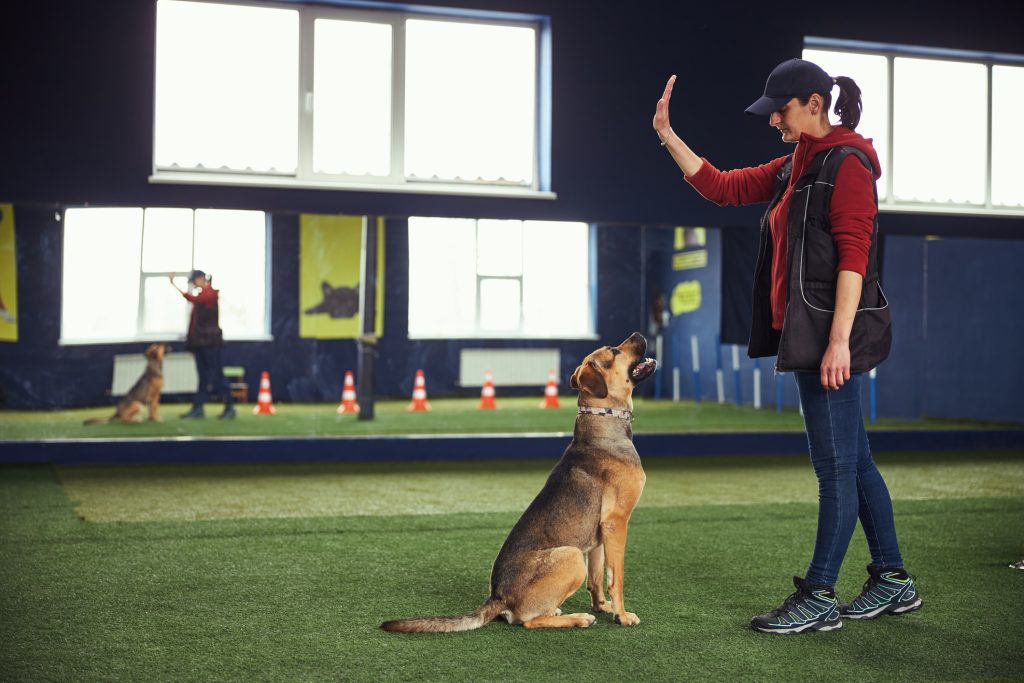
The Principles Behind Clicker Training
At first glance, clicker training may seem like a novel approach to pet training, yet its roots are anchored in well-established learning theories. The technique is inspired by operant conditioning, a psychological concept that suggests behaviors can be shaped through reinforcement. By using a clicker, pet owners can create a clear signal that their pets can easily understand, leading to improved compliance and enthusiasm during training sessions. This clarity plays a crucial role in making sure both pet and owner are on the same page.
Timing is everything in clicker training. The clicker sound must be used immediately when the pet performs the desired behavior, ensuring it is tightly paired with the reward. For instance, if you wish to teach your dog to lie down, the moment their belly touches the ground, the click follows promptly, marking the achievement. This instant acknowledgment significantly increases the likelihood that the behavior will be repeated. The clearer the communication, the faster the learning process.
Moreover, clicker training is not just about correcting unwanted behaviors; it also focuses on nurturing desired actions through positive reinforcement. Compared to traditional aversive techniques, which might cause anxiety and resentment, clicker training promotes an environment of trust. This approach is particularly beneficial for pets in Nigeria, where many animal owners are looking for humane and effective methods to train their companions, creating a harmonious cohabitation.
It is essential to understand several key elements of clicker training that contribute to its success:
- Positive Reinforcement: This principle encourages pets to repeat behaviors that yield pleasant outcomes. Whether it’s a treat, praise, or playtime, the reward should always be meaningful to the animal.
- Gradual Steps: Clicker training embraces the concept of breaking complex behaviors into smaller, manageable tasks. For example, to teach a dog to fetch, you might start by encouraging them to pick up the ball, then bringing it back, rather than expecting them to do it all at once.
- Consistency: For training to be effective, pet owners must employ a consistent approach in the timing of the click and the type of rewards given. Inconsistency can lead to confusion, hampering the learning process considerably.
Additionally, the versatility of clicker training cannot be overstated. It is not limited to just dogs; cats, birds, and even small animals such as rabbits can thrive under this methodology. For those residing in urban centers like Lagos, where distractions abound, clicker training can be an ideal tool to maintain your pet’s focus amidst the hustle and bustle of daily life. Furthermore, this method proves to be an invaluable resource for pet owners looking to address behavioral issues, from excessive barking to litter box mishaps.
As we delve further into the practical applications of clicker training, it’s essential to recognize that this technique acknowledges not just the importance of teaching but also the significance of enjoying the journey together with your pet. By fostering an environment of fun and cooperation, clicker training leads not only to better behavior but also to a mutual appreciation and understanding between pets and their owners.
| Benefits of Clicker Training | Key Characteristics |
|---|---|
| Rapid Learning | Clicker training accelerates the learning process for pets. |
| Positive Reinforcement | Pets respond to the consistent sound of the clicker paired with rewards. |
| Increased Focus | The noise of the clicker helps to eliminate distractions during training. |
| Clear Communication | The click serves as a clear indication of what behavior is desired. |
Engaging in clicker training not only accelerates pet learning but also enriches the owner-pet relationship. Through this method, pets can be rewarded immediately after demonstrating a desired behavior, which reinforces the connection. The precision of timing offered by the clicker makes it easier for pets to understand what is expected, thus leading to a more harmonious training experience. Moreover, utilizing this training approach often leads to a more confident pet, as they recognize their successes more readily. This success translates not just to obedience but also into a sense of achievement for both pet and owner, making training a rewarding process.For those interested in exploring this interactive and beneficial training style further, numerous resources and community forums dedicated to clicker training methodology are available, providing tips, support, and shared experiences from fellow pet owners and trainers alike.
Integrating Clicker Training into Daily Routines
To truly harness the power of clicker training, it’s essential to understand how to effectively integrate it into your pet’s daily routine. This method isn’t just reserved for formal training sessions; instead, it can significantly enhance various aspects of your pet’s life, from everyday behaviors to socialization experiences. Clicker training fosters a dynamic and interactive relationship between pet and owner, turning mundane tasks into rewarding challenges.
Consistency is Key – Incorporating the clicker throughout your pet’s daily life can yield tremendous benefits. For instance, every time your dog sits when asked or your cat uses the scratching post instead of the furniture, a click followed by a reward reinforces these desirable behaviors. This continuous reinforcement builds a positive association with good behavior and helps your pet understand what actions are favored by their owner.
For instance, during meal preparation, you can click and treat your dog each time they stay calm and do not beg. This practice not only makes your life easier but also teaches your dog patience and self-control. For pet owners in Nigeria, where space can be limited, this can mitigate behavioral issues such as jumping or barking out of excitement, ultimately leading to a more peaceful household.
- The Power of Socialization: Clicker training can be a powerful tool in enhancing your pet’s social skills. When introducing your dog or cat to new environments, people, or other animals, use the clicker to mark calm and friendly behavior. For example, if your dog stays relaxed around strangers or does not react to another animal while on a walk, clicking and treating them reinforces poise and builds their confidence, allowing them to thrive in various social situations.
- Perfecting Basic Commands: Mastering essential commands isn’t just about obedience; it sets the foundation for a well-behaved pet. Using clicker training to teach basic commands like “sit,” “stay,” and “come” can turn learning into an enjoyable experience. Pets learn faster when they associate these commands with fun and rewards rather than punishment, which aligns perfectly with Nigeria’s growing emphasis on humane animal training practices.
- Targeting Behavioral Challenges: For pets exhibiting behavioral issues, such as separation anxiety or aggression, clicker training can facilitate positive change. Breaking down these complex behaviors into smaller components makes them more manageable for your pet to learn. For example, if your dog reacts negatively when strangers approach, use the clicker to reward them for staying calm at a distance. Gradually decrease the distance as their confidence builds, supporting a progressive journey towards better behavior.
Another noteworthy aspect of clicker training is its adaptability. Pet owners can devise creative ways to keep their sessions exciting. Incorporating fun tricks like “spin,” “high-five,” or even complex routines can keep both you and your pet engaged. Furthermore, by integrating clicker training into everyday interactions, you uplift the bond you share, turning training into a shared adventure rather than a chore.
The appeal of clicker training lies in its versatility, making it an excellent method for all types of pets, from energetic puppies to laid-back adult cats. As urban dwellers in Nigeria navigate the challenges of modern life, implementing clicker training can provide a structured, humane, and enjoyable way of addressing behavioral issues while promoting skill development.
Conclusion
In summary, clicker training emerges as an innovative and effective method to enhance pet training, bridging the gap between traditional techniques and modern animal behavior science. By incorporating this technique into daily routines, pet owners in Nigeria can foster more meaningful bonds with their pets while encouraging positive behavior and overcoming various challenges. The integration of clicker training not only makes sessions enjoyable and rewarding for both pet and owner but also helps cultivate essential life skills in animals, promoting their overall well-being.
Moreover, clicker training’s adaptability allows for personalization in training methods, catering to various pet personalities and behavioral needs. Whether focusing on basic commands, tackling behavioral issues, or enhancing socialization, the benefits of this positive reinforcement method are manifold. As society increasingly values humane and effective training practices, embracing techniques like clicker training can redefine the relationship between humans and their pets.
Ultimately, for pet owners seeking to make training a positive experience, clicker training presents a valuable tool that can lead to a more harmonious living environment and a happier, well-adjusted pet. By committing to this method and consistently using it in everyday interactions, pet owners can transform the training experience into a collaborative journey filled with fun and learning. Therefore, as you venture into the realm of clicker training, remember that patience, creativity, and consistency are your allies in building a strong foundation for your pet’s development and well-being.