Rescue Training: Preparing Your Pet for Emergency Situations
Understanding the Importance of Rescue Training for Pets
Imagine a sudden emergency striking your home or neighborhood. How would your furry companion react? Pet owners in Nigeria are increasingly recognizing the importance of rescue training to ensure their pets are prepared for unexpected situations.
Emergencies can arise without warning, and the right training can make a significant difference in how pets respond. For instance, Nigeria’s recent history has seen a variety of risks, from the devastating floods in Benue State to the sporadic but alarming urban fires in Lagos. These incidents highlight the urgent need for pet owners to equip their animals with the skills necessary for survival in such situations.
Consider the following emergency scenarios where training can not only safeguard your pet but also instill a sense of calm in you:
- Floods: With increased rainfall and climate change, understanding how to navigate high waters safely can be a lifesaver. Training your pet to identify elevated areas or dry pathways could prevent drowning or injury.
- Fire: In the event of a fire, knowing escape routes is crucial. Training can help pets recognize specific cues to head towards exits, and practice drills can help familiarize them with escaping from your home swiftly.
- Earthquakes: While less common in Nigeria, earthquakes can occur. Teaching your pet to remain calm during earth tremors, or to return to a designated safe spot within the home, can minimize stress and potential harm.
Equipping your pet with the right skills can truly be the difference between panic and safety. Rescue training is not reserved for just working dogs; all animals, regardless of breed, size, or temperament, can benefit—especially in densely populated urban areas where the density of people can hinder evacuation efforts during crises.
Practical Training Techniques
There are several techniques you can utilize to train your pet for emergencies. Start with basic obedience training to create a foundation for more advanced skills. Each command—such as sit, stay, and come—can be life-saving during a panic situation. Moreover, consider incorporating fun obstacle courses to simulate emergency scenarios, such as navigating around furniture to find exits.

Essential Gear
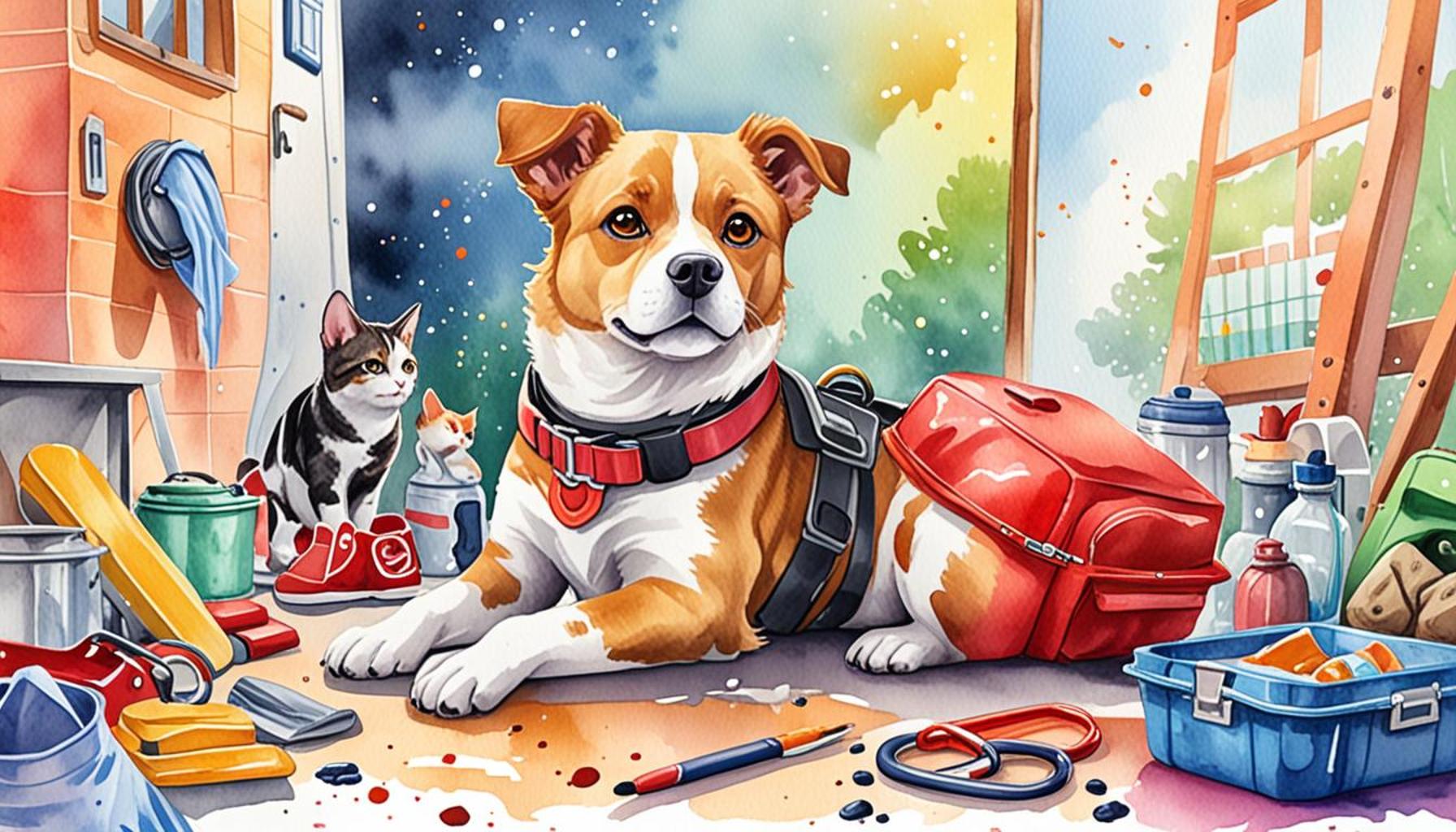
In addition to training, having the right gear is pivotal. High-quality collars with ID tags, leashes, and even pet carriers provide the means to restrain or transport your animal safely. Furthermore, a well-stocked emergency kit containing food, water, medications, and first-aid supplies can be invaluable should an evacuation be necessary.
Vital Resources
Pet owners in Nigeria can access various resources to support their training efforts. Local animal shelters and veterinary offices may host disaster preparedness workshops or training sessions. Additionally, online platforms and social media groups often provide valuable information and connect pet owners with trainers specializing in emergency preparedness.
In conclusion, preparation is critical when it comes to ensuring the well-being of your furry friend. By investing time in rescue training, acquiring the proper equipment, and leveraging available resources, pet owners can promote a safer and more reassuring environment for both themselves and their animal companions.
Strategies for Effective Rescue Training
When it comes to rescue training, preparation is everything. The first step involves assessing your pet’s individual behavior and learning style. Understanding how your pet processes information can vastly improve the effectiveness of your training sessions. For instance, some pets may respond better to verbal commands, while others may need visual cues or hands-on guidance to grasp the necessary skills.
One valuable strategy in rescue training is to harness the power of positive reinforcement. Rewarding your pet with treats, praise, or playtime whenever they successfully follow a command can create a positive association with the training process. This form of motivation not only fosters enthusiasm during sessions but also strengthens the bond between you and your furry friend.
Key Skills to Focus On
While the nuances of emergency scenarios may vary, there are fundamental skills that every pet should master. Here are some critical skills that should be part of your training regimen:
- Recall: Teaching your pet to come when called is vital, especially in situations where they may become disoriented or panicked. Regularly practicing this command in different environments can help solidify this skill.
- Stay: This command can be a lifesaver in emergencies. By training your pet to stay put until you return, you can ensure their safety when navigating chaotic situations.
- Familiarity with Exit Routes: Show your pet the quickest paths out of your home and practice these routes regularly. In stressful situations, a familiar route can significantly reduce escape time.
- Desensitization to Loud Noises: Emergencies often come with unsettling sounds, such as sirens or loud explosions. Gradually exposing your pet to such noises in a controlled environment can help reduce their anxiety when real situations occur.
- Crate Training: A well-trained pet should be comfortable in a crate. This technique not only provides a safe space during emergencies but also can facilitate transport in times of crisis.
While these skills serve as a foundation for training, it’s essential to adapt your approach based on your pet’s unique personality. For instance, some dogs may thrive on energetic and interactive sessions, whereas others may prefer a calmer, more structured environment. Tailoring your training to meet their preferences can yield better results.
Lastly, it is worth noting that consistency is key. Regular training sessions, even if short, can dramatically improve your pet’s ability to respond to commands during emergencies. Thus, integrating these practices into your daily routine not only prepares your pet for unforeseen events but also fosters an overall state of readiness.
| Category | Key Features |
|---|---|
| Preparedness | Ensures your pet can respond effectively to emergencies like fires, floods, or earthquakes. |
| Safety | Reduces panic and increases the chance of a successful rescue during crises, promoting calmness and confidence in unpredictable situations. |
Understanding how to prepare our pets for emergencies is crucial, as it directly impacts their safety and survival. By investing in rescue training, pet owners empower their furry companions to act intelligently and adaptively in distressing scenarios. Preparedness is a significant advantage because it equips pets with essential skills and commands, helping them navigate through chaotic environments, whether it’s seeking shelter from a storm or responding to a fire drill.Furthermore, the clarity and structure of safety training can greatly enhance your pet’s behavior under stress. Educated pets not only understand commands better but also exhibit reduced anxiety, fostering a more agile and resilient state of mind. Effective training transforms the tumultuous experience of an emergency into a manageable situation, enabling pet owners to safeguard their beloved animals. Remember, understanding the importance of rescue training can make a life-saving difference; educating your pet is an investment in their future.
Incorporating Scenario-Based Training
Once foundational skills have been established, it is essential to move beyond basic commands and engage in scenario-based training. This method simulates real-life emergencies, providing your pet with the opportunity to apply their training in practical situations. By creating controlled environments that mimic various emergency scenarios, you can help your pet learn how to react effectively when it counts the most.
For example, you might set up a mock evacuation drill where you guide your pet to exit your home through a predetermined route while incorporating distractions similar to those during an actual emergency. Perhaps there’s someone at the door ringing the bell, or loud sounds playing in the background. Such simulated experiences can help your pet become more resilient to stressors and bolster their confidence in following your commands.
Utilizing Resources and Community Support
In Nigeria, forming a network with local pet training groups can provide additional support in your rescue training endeavors. These communities often share valuable resources, such as training materials and workshops tailored specifically for pet owners. Engaging with professionals who specialize in disaster preparedness for pets can also offer insights and strategies unique to the challenges faced in your environment, such as flooding or infrastructural hazards.
Additionally, consider attending seminars focused on pet first aid or emergency response, which can impart vital knowledge about keeping your pet safe during crises. Local volunteer organizations, such as animal rescue groups, often conduct training sessions that provide education on how to safeguard pets during various emergencies, including natural disasters like the heavy rains leading to floods commonly experienced in different regions of Nigeria.
Fostering Socialization Skills
Another critical aspect of rescue training involves socialization. Pets that are well-socialized are typically better equipped to handle unexpected interactions during emergencies. Exposing your pet to various people, animals, and environments can help them become more adaptable. For instance, visiting local markets or parks where they encounter diverse sounds and sights can alleviate anxiety and improve their behavior in chaotic situations.
Ensure that these social interactions are positive, allowing your pet to adjust gradually without overwhelming them. Early socialization is particularly crucial for puppies and kittens, as their formative months significantly shape their responses to stress and uncertainty later in life. A veteran dog trainer in Nigeria already emphasizes that well-socialized pets tend to be more stable, calmer, and easier to manage amid high-pressure environments.
Lastly, always remember that rescue training is an ongoing process. Periodic refreshers on the skills your pet has learned are invaluable, especially as new challenges arise. Keep things dynamic and interesting by introducing new activities that reinforce your pet’s skills while keeping their engagement levels high. Adapting your training methods as your pet grows will not only prepare them for emergencies but also contribute to their overall emotional well-being.
Conclusion
In summary, rescue training is not merely a precaution; it is a vital component of responsible pet ownership, especially considering the increasing frequency of disasters and emergencies. By implementing foundational skills, scenario-based training, and fostering socialization, you create a well-rounded approach that empowers your pet to respond with confidence in stressful situations.
Engaging local resources and community support can significantly enhance your efforts in preparing your pet for emergencies. Organizations in Nigeria often provide essential training and workshops tailored to unique challenges faced in various regions, from flooding to infrastructural hazards. Actively participating in these networks not only broadens your knowledge but also enriches your pet’s training experience.
Moreover, prioritize the continuous nature of training. Routine refreshers, adapting techniques as your pet matures, and maintaining a focus on socialization will fortify your pet’s readiness, ensuring they are as resilient as possible when it matters the most. The journey of rescue training is equally about strengthening the bond between you and your pet, creating a partnership based on trust and understanding.
As you embark on this critical training journey, remember that every effort you put into preparing your pet is an investment in their safety and well-being. With the right approach and commitment, you can equip your furry friends to navigate emergencies effectively, securing a safer future for both of you.