Agility Training Techniques for Dogs: Preparing for Competitions
Understanding the Foundations of Agility Training
Preparing your dog for competition requires more than just enthusiasm; it demands skill, dedication, and the right agility training techniques. For many dog owners, competition is not merely an event—it’s a thrilling journey that showcases the bond between handler and canine. Understanding the nuances of agility training can set you and your furry friend on the path to success.
Agility training is designed to enhance a dog’s speed, balance, and overall athleticism. This highly engaging activity encourages dogs to:
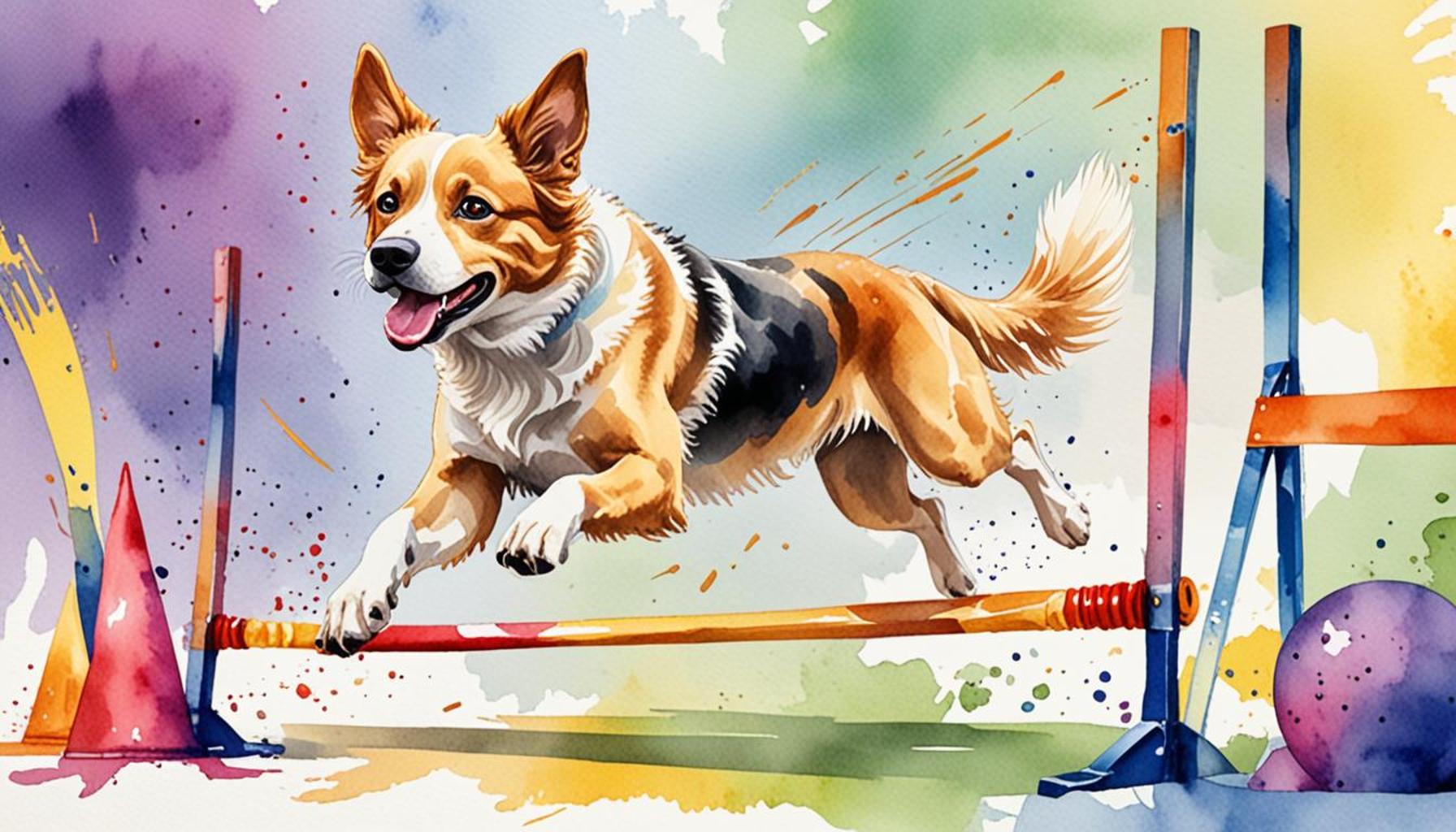
- Navigate obstacles like tunnels, jumps, and weave poles.
- Improve communication with their handlers through non-verbal cues and commands.
- Build confidence in various environments, which is particularly valuable in a diverse country like Nigeria.
In Nigeria, where dog competitions are gaining traction, these techniques become essential. Local events are springing up all over the country, providing exciting platforms for showcasing not just talent but also the time and effort invested in training. Dog lovers in urban areas, such as Lagos and Abuja, are increasingly participating in these competitions, fostering a community centered around canine excellence. As you delve deeper, you will discover:
- The importance of proper warm-up exercises to prevent injuries, akin to athletes preparing for intense physical activity.
- Different training equipment you can create at home, such as homemade jumps made from PVC pipes or woven tunnels crafted from fabric, catering to resourceful Nigerian dog owners.
- How to create a structured training schedule that focuses on both agility practice and mental stimulation, essential for keeping dogs engaged.
Each of these elements significantly contributes to your dog’s readiness and performance. For example, a warm-up routine might include simple obedience exercises or a short walk, effectively priming your dog’s muscles and focus for the training session ahead. Additionally, training at home allows you to incorporate local influences— such as practicing commands in a bustling market environment, which can simulate the distractions your dog might face during a competition.
Understanding your dog’s unique temperament and learning style can also inform your training approach. This is particularly pertinent in Nigeria, where the cultural diversity can affect how dogs react to different stimuli, from sounds to crowds. By tailoring your agility training to these nuances, not only do you enhance performance, but you also foster a deeper connection with your dog. Join us as we explore innovative strategies and insights that will elevate your dog’s agility training journey, making those competition day nerves a thing of the past.

Key Techniques for Effective Agility Training
As you embark on the exciting journey of agility training with your dog, it’s crucial to understand a variety of training techniques that will strengthen your dog’s skills and foster an unbreakable bond between you. Successful agility training is a blend of physical exercises, mental challenges, and consistent communication. Here, we highlight some vital techniques that can help your dog prepare for competitions:
- Obstacle Familiarization: Gradually introduce your dog to different obstacles that they will encounter in a competition. This includes jumps, tunnels, and weave poles. Use positive reinforcement—such as treats or praise—to encourage your dog to explore and navigate these obstacles without hesitation. Consider organizing playdates with fellow dog owners where they can practice on varied courses.
- Handling Skills: Effective communication is key in agility competitions. Work on your handling skills, which includes using body language and verbal commands to guide your dog through the course. Practicing directional cues, such as “left,” “right,” or “go,” can greatly enhance your dog’s responsiveness during high-pressure situations.
- Speed and Focus Drills: To cultivate speed and maintain focus, incorporate short bursts of energy into training sessions. Use a timer to challenge your dog to complete a course more quickly with each run. This will not only build your dog’s stamina but also encourage them to stay engaged and motivated.
- Gradual Increase in Difficulty: Start with simple obstacles and gradually increase the course difficulty as your dog gains confidence. Mix in distractions such as toys or treats positioned near the course to help your dog learn to maintain focus despite external stimuli—an invaluable skill for competition day.
- Socialization and Exposure: Exposing your dog to various environments can be pivotal in their agility training. Attend local events, whether in Lagos or Abuja, where they can experience crowds and noises typical in competition settings. This exposure will help build their confidence and adaptability.
Each of these techniques is essential in developing both physical agility and mental acuity. For instance, obstacle familiarization is not just about having fun; it primes your dog for the types and combinations of obstacles they will face during an actual competition. Regular exposure to different settings, whether an open field or a more confined area, further ensures that your dog remains calm and collected under pressure.
In Nigeria, making the most of local resources, such as community parks or agility groups, can aid in honing these skills. Engaging with other enthusiasts allows for a rich exchange of ideas and strategies, enhancing your training approach while providing a support system. As you continue building these techniques, remember the importance of patience and encouragement. Every dog is different; adjust your training methods to align with your dog’s unique personality, and soon enough, you’ll be ready to take on any competition with confidence.
As you delve deeper into the world of Agility Training Techniques for Dogs, it’s essential to understand the very foundations of successful competition preparation. One important aspect of this preparation is the fostering of a strong bond between the handler and the dog. Effective agility training is not only about speed and precision but also about the trust and communication established through consistent practice. This relationship serves as the backbone of successful performances.
Additionally, incorporating a variety of agility exercises into your training regimen is vital. Elements such as weave poles, tunnels, and jumps can enhance your dog’s skills and keep training engaging. These techniques not only improve a dog’s physical abilities but also challenge their cognitive skills, which is crucial for navigating the complexities of competition courses.
Moreover, conditioning plays a significant role in preparing your dog for the physical demands of agility competitions. Implementing targeted exercises that focus on strength, flexibility, and endurance can optimize your dog’s performance. Techniques such as interval training and targeted stretches help maintain peak physical condition, reducing the risk of injury and improving overall results.
| Training Techniques | Benefits |
|---|---|
| Bond Building Exercises | Fosters trust and communication between handler and dog |
| Varied Agility Techniques | Enhances skills, keeps training engaging |
| Conditioning Workouts | Improves strength, flexibility, and endurance for competitions |
Understanding these training techniques and their benefits can vastly improve your dog’s performance in agility competitions. Continuous learning and adaptation will set the stage for successful preparation and an enjoyable experience for both you and your canine companion.
Advanced Techniques and Strategies for Competitive Edge
As your dog progresses in agility training, enhancing their skill set becomes imperative. Competition is often fierce, and to stand out, you must adopt advanced techniques that push the limits of your dog’s capabilities. The following strategies are designed to sharpen both your dog’s performance and your overall teamwork:
- Consistency in Training Sessions: Regular training is vital for solidifying your dog’s skills. Establish a training routine that lasts between 30 to 60 minutes several times a week. Consistency not only reinforces learned behaviors but also helps your dog anticipate what to expect, thus reducing anxiety on competition day.
- Incorporating Agility Games: To maintain enthusiasm during training, introduce agility games that add a playful element. For instance, you can create relay races or timed challenges with friends and fellow competitors. This playful engagement develops your dog’s love for agility while inadvertently improving their speed and accuracy.
- Video Analysis: Recording your training sessions provides valuable insights into your dog’s performance. Analyze the footage to identify areas for improvement. You can observe patterns in your dog’s movement and understand which handling techniques yield the best results. This practice is especially beneficial before competitions, allowing you to make necessary adjustments.
- Reinforce Positive Behavior Through Clicker Training: Combining clicker training with agility exercises can enhance your dog’s learning curve. The clicker serves as a precise marker when your dog completes an element correctly. This method can be particularly useful when working on complex sequences. The immediate feedback helps your dog understand what behavior is desired.
- Physical Conditioning: Just like human athletes, your dog requires physical conditioning to enhance their agility performance. Incorporate overall fitness routines that include strength exercises, stamina training, and stretching. Activities such as running, swimming, or playing fetch can ensure your dog remains agile while preventing injuries.
Beyond basic skills and obstacle navigation, focus on developing your dog’s explosiveness—something that will be crucial when competing. This could involve short sprints or agility-specific exercises that require quick changes in direction. Additionally, working with a professional trainer can provide insights tailored to your dog’s breed and personality, enabling you to unlock their full potential.
It’s also imperative to address the mental aspects of agility training. Dogs can be easily distracted, especially when they sense competition around them. Engaging in challenging exercises that require concentration can help your dog learn to maintain focus. For example, setting up complicated course sequences that require both speed and sharp decision-making will equip your dog to handle real-time competition stress.
Moreover, seek out local agility clubs in Nigeria. Engaging in group training sessions yields not only skill development but also camaraderie. Studios in cities, such as Lagos or Abuja, often host workshops and trials that simulate competition environments, giving you and your dog the chance to practice under more realistic conditions. The sense of community and shared experience can also motivate both you and your dog to push forward in your training journey.
Ultimately, successful agility training relies on balancing skill-building with fostering a fun and positive environment. As you both train towards competition day, continue to celebrate the small victories and progress, reinforcing the bond you share. Embrace this time as an opportunity for growth, and soon, you and your dog will be ready to tackle any agility course before you.
Conclusion: The Journey to Agility Excellence
In conclusion, agility training techniques for dogs serve as the backbone for competitive success, blending skill, strategy, and a deep bond between the handler and the dog. As you embark on this journey, remember that fostering a consistent training schedule, incorporating playful agility games, and engaging in video analysis can dramatically enhance your dog’s performance. Moreover, utilizing clicker training and ensuring physical conditioning will not only build strength but will mitigate the risk of injuries, paving the way for a confident competitor.
It is crucial to focus on mental preparation as well. As your dog learns to tackle advanced obstacles, challenges, and distractions, their ability to remain focused during competitions will be vital. Participating in local agility clubs across Nigeria provides a community-oriented environment, offering opportunities for realistic practice and shared experiences that can fuel motivation and growth.
Ultimately, the spirit of agility training is not merely about winning but also about embracing the journey. Celebrate each small victory, whether it’s mastering a new technique or simply enjoying the time spent together. As you both prepare for competitions, the combination of consistent training, playful engagement, and mental fortitude will build a resilient partnership. With dedication and enthusiasm, you and your dog will be well-prepared to face any agility course, ready to showcase the fruits of your labor.