Cat Training: Effective Methods to Teach Basic Commands
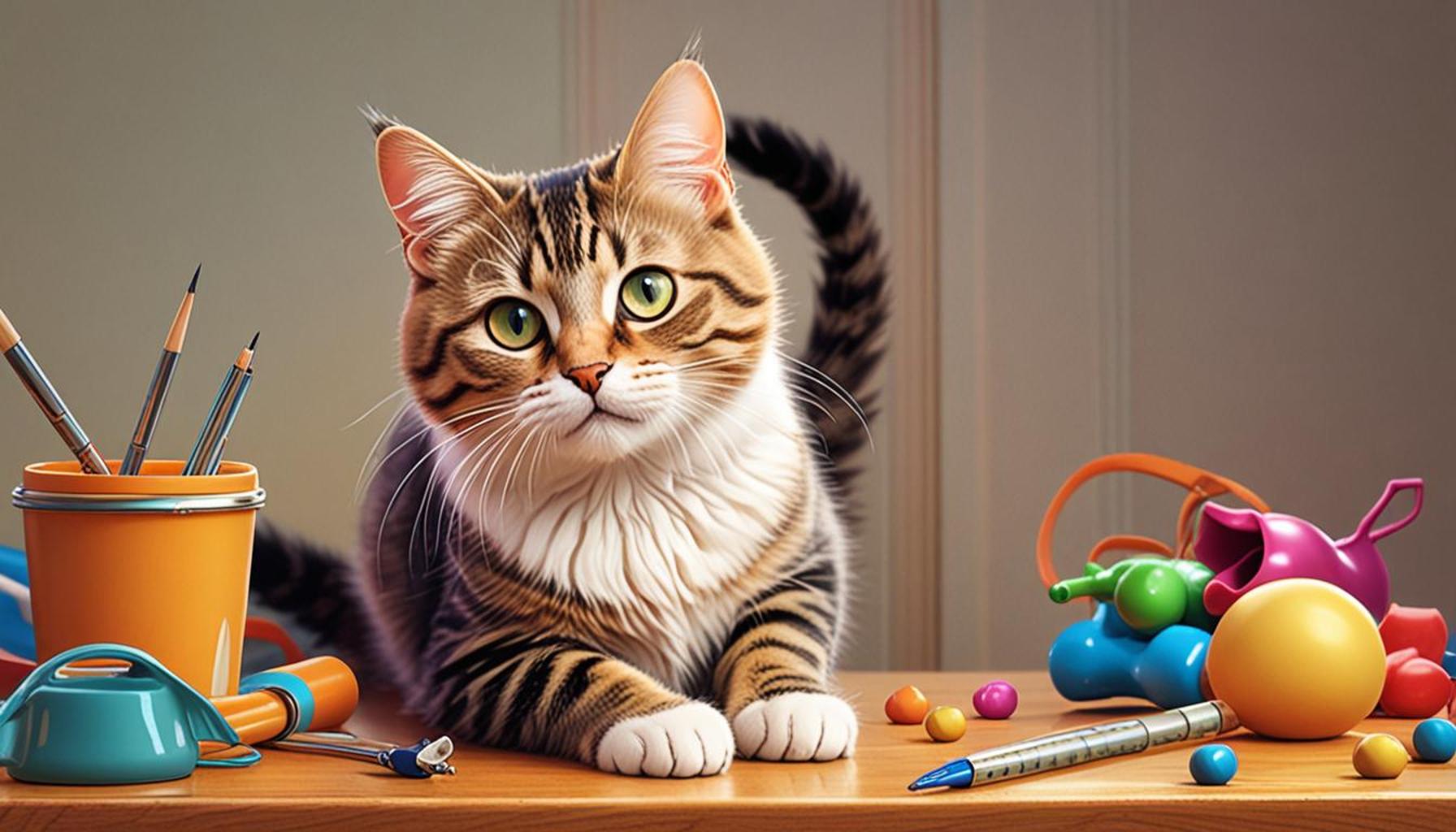
Understanding the Potential of Your Feline Friend
Training your cat may seem like a daunting task, but with the right approach, it can be both fun and rewarding. Many cat owners are often surprised to discover that cats are capable of learning a variety of basic commands. Unlike popular belief, cats can be trained just like dogs, though the methods may differ due to their unique personalities and communication styles.
Employing effective training methods not only enhances your cat’s behavior but also strengthens the bond between you and your furry companion. This bond is especially significant in a country like Nigeria, where pet ownership is growing, and many people are beginning to view their pets as integral members of the family. Here are some crucial areas to focus on when embarking on the journey of cat training:
- Understanding Feline Communication: Recognizing how cats express themselves is fundamental. Cats utilize body language, vocalizations, and even scent to communicate. For example, a cat that purrs or kneads on you is expressing comfort and affection, while a flicking tail may indicate annoyance. Tailoring your training approach based on these signals can yield better results.
- Creating a Positive Environment: Using treats and praise effectively encourages your cat during the learning process. In Nigeria, you might consider using local favorite treats like small bites of fish or chicken, making the reward even more enticing. Around typical household times, using exciting, positive reinforcements helps create a welcoming training atmosphere.
- Consistency is Key: Regular practice helps reinforce commands and build good habits. Establishing a consistent routine—perhaps integrating your training sessions with feeding times—can significantly enhance your cat’s learning curve.
Many cat owners in Nigeria have started sharing their experiences, showcasing how training can lead to fewer behavioral issues such as scratching furniture or misusing litter boxes. It’s essential to remember:
- Patience is crucial; every cat learns at its own pace. Just like humans, some cats may require more time to grasp certain commands than others.
- Each successful command strengthens your relationship, fostering trust and communication between you and your cat. This strengthens the daily interactions and makes them more enjoyable for both parties.
- Setting realistic goals makes the experience more enjoyable. It’s better to start small with simple commands like “sit” or “come,” allowing both you and your cat to celebrate small victories.
As we navigate through different techniques of cat training, you’ll discover how even simple commands can transform not only your cat’s behavior but also enhance your life as a pet owner. Remember, in this journey, each interaction is a step toward building a harmonious home. Are you ready to explore the world of cat training and uncover the secrets to effective communication with your beloved pet? Your feline friend’s potential awaits your discovery.
RECOMMENDED: Check out this similar article
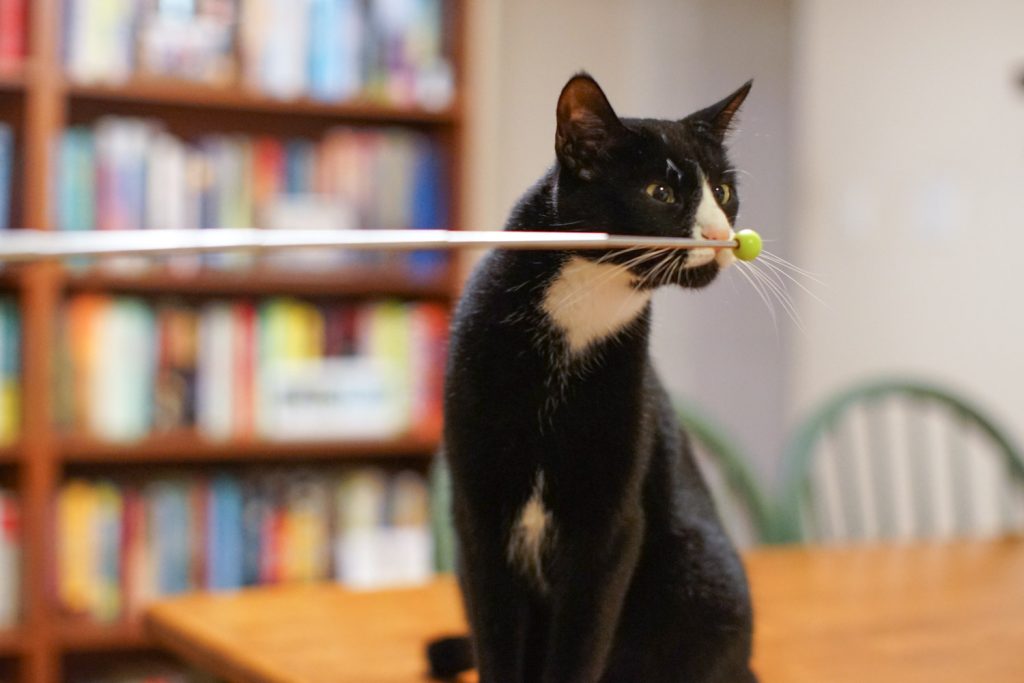
Fundamental Techniques for Successful Cat Training
When embarking on the journey of cat training, understanding the techniques that can effectively engage your feline friend is crucial. Unlike canines, cats possess independent spirits and exhibit diverse personalities and learning styles. For many owners in Nigeria, recognizing how to tailor training sessions to suit their cat’s behavioral tendencies is the first step in promoting successful learning.
Utilizing Clicker Training for Commands
One of the most effective methods for teaching cats basic commands is clicker training. This technique revolves around the use of a small device that produces a distinct clicking sound, used to signal to your cat that they have performed the desired behavior correctly. The principle is simple: every time the cat responds to a command or displays the behavior you want, you click the clicker and immediately follow it up with a treat. This creates an association in the cat’s mind between the action, the sound, and the reward, making it more likely they will repeat it.
- Start Simple: Begin with straightforward commands such as “sit” or “high-five.” For instance, when your cat sits on command, click the clicker and offer a small piece of chicken or fish for reinforcement.
- Be Consistent: Use the same command words and gestures consistently to avoid confusion. If you’re using visual cues, like your hand moving downward for “sit,” always maintain the same motion.
- Short Sessions: Keep your training sessions brief, perhaps around 5-10 minutes, to hold your cat’s attention. Frequent, short sessions are often more effective than longer, drawn-out setups.
Incorporating Treats to Encourage Learning
A significant part of any cat training program is the judicious use of treats. Selecting the right incentive can make all the difference. In Nigeria, small bites of fish, chicken, or even commercially available cat treats shaped like local delicacies can be enticing for your cat. Experiment with a few options to find what excites your cat the most, and use these as the ultimate reward for correctly following commands.
It’s important to remember that using treats should be part of a balanced approach. Avoid over-rewarding, as this can lead to unhealthy eating habits. Instead, use praise along with treats; cats appreciate affirming words and affection as much as they do tasty rewards.
Understanding the Role of Body Language in Training
Since cats are highly perceptive and depend significantly on their surroundings, noticing their body language during training can greatly enhance your effectiveness. An attentive trainer should look for signs of engagement—such as focused eyes and perked ears—indicating that the cat is keen to learn. Conversely, signs of discomfort, like turning away or lowered tails, suggest it may be time to pause or adjust your approach.
As you implement these strategies, bear in mind that each cat is an individual, and their learning journey will be unique. Building a strong foundation in understanding and methodically applying effective training techniques can create a harmonious dynamic between you and your furry companion. By investing time into training, you not only enhance your cat’s behavior but establish an enriched relationship, promoting a happy home for both you and your pet.
Understanding Cat Behavior for Effective Training
When embarking on your journey of cat training, it is essential to first grasp the unique behaviors and instincts of felines. Unlike dogs, cats are often more independent and less eager to please, which can influence their responsiveness to commands. Understanding these traits can significantly enhance your training experience. Cats are naturally curious creatures, and leveraging this curiosity can facilitate the learning process. Using techniques such as clicker training, where a sound is paired with a reward, can capture your cat’s attention effectively. With consistency and patience, your cat will begin associating the sound with positive reinforcements, leading to more cooperation during training sessions.Another beneficial method is incorporating play into training. Cats are inherently playful, and utilizing toys as rewards can draw out their interest. This approach not only helps them learn commands but also strengthens the bond between you and your feline friend.Adaptations to training methods based on your cat’s personality are crucial. Some cats may exhibit more dominance or shyness, requiring different techniques to encourage participation. Tailoring your approach not only enhances learning but also creates a more enjoyable experience for both of you.To delve deeper into effective techniques, explore specific commands such as “sit” or “come,” and discover how their practical application can lead to a well-behaved cat. As you become more acquainted with the art of cat training, you will likely be surprised at how quickly your cat can learn when using the right methods.
| Training Methods | Advantages |
|---|---|
| Positive Reinforcement | Encourages desired behaviors through rewards, making learning enjoyable. |
| Clicker Training | Creates clear communication between you and your cat, ensuring effective learning. |
| Play Incorporation | Transforms training into a fun session, boosting engagement and focus. |
Exploring these methods can transform cat training from a daunting task into an enriching experience. As you begin implementing these strategies, you will likely see noticeable improvements in your cat’s ability to follow basic commands and enjoy the interaction fostered through training.
LEARN MORE: This related article may interest you
Creative Approaches to Cat Training
While the fundamental techniques discussed previously are essential, creativity can amplify the effectiveness of your cat training initiatives. Embracing innovative and fun strategies not only captures your cat’s attention but also nurtures a positive learning environment. Engaging methods can turn mundane training sessions into enjoyable interactions that strengthen your bond with your feline companion.
Interactive Toys as Training Aids
Introducing interactive toys into training sessions can significantly enhance learning experiences for cats. These gadgets often stimulate natural hunting instincts and encourage problem-solving, which can be cleverly integrated into teaching commands. For example, puzzle feeders or treat-dispensing toys can be used to reward your cat after successfully performing a command. By motivating your cat to engage with these toys, you’ll create an association between learning and fun.
- Engagement Through Play: Use feather wands or laser pointers to initially catch your cat’s attention. This can be tied into commands like ‘come’ or ‘fetch’. When they respond correctly, reward them with a treat from the interactive toy.
- Progressive Challenges: Start with simple tasks using toys and gradually introduce more complex challenges as your cat becomes more comfortable with learning. This progressive approach keeps the experience stimulating for your cat.
Socialization Techniques for Training
Another effective method involves socialization. Cats are social creatures, and introducing them to new environments, sounds, and even other pets can greatly enhance their adaptability and responsiveness to commands. In Nigeria, creating opportunities for socialization could include:
- Group Training Sessions: Consider organizing a small cat playgroup in your neighborhood where cats can roam safely and interact. This not only helps with obedience but exposes them to other cats, making them more receptive to learning brand new commands in a lively setting.
- Varied Environments: Change your training location; from your quiet home to a busy park or an outdoor patio. The variety will help your cat learn commands in different contexts, reinforcing their understanding and adaptability.
The Impact of Positive Reinforcement
Positive reinforcement lies at the heart of successful cat training. This approach is not merely about treats, but also includes praise, petting, and playtime. When your cat successfully follows a command, shower them with affection to solidify the positive experience associated with good behavior.
In Nigeria, utilizing local language phrases can further enrich this experience. Communicate your affection with expressive words like “good kitty” or local equivalents, coupled with gentle strokes. The personalization of praise will deepen the connection your cat feels towards you, enhancing their responsiveness in future training sessions.
Patience and Adaptability: The Key to Success
When diving into cat training, patience is non-negotiable. Cats may not be as eager to please as dogs, and their responses can vary. If you find that a particular command is consistently met with disinterest, it might be time to adjust your methods. Some cats prefer gentle encouragement versus direct commands, and being observant will help you find what works best for your unique companion.
Embracing these creative training techniques can transform the learning process into a delightful choreographed dance between you and your cat. Remember, the more engaging and enjoyable you make training sessions, the more success you’ll achieve in teaching your cat basic commands. Each moment spent training not only refines their skills but also reinforces the mutual love and understanding that defines your shared life together.
ADDITIONAL INSIGHTS: Expand your understanding here
Conclusion
In summary, mastering cat training by employing effective methods to teach basic commands is an achievable and rewarding endeavor. By harnessing creativity, you can transform training sessions into engaging experiences, which not only enhance your cat’s learning but also strengthen the bond between you and your feline friend. Techniques such as utilizing interactive toys, fostering socialization through group sessions, and maintaining a focus on positive reinforcement are paramount in creating a stimulating training environment.
Moreover, your approach should evolve with your cat’s unique personality and preferences, demonstrating the importance of patience and adaptability. Recognizing that every cat learns at their own pace is crucial. In Nigeria, incorporating local dialects and cultural nuances can enrich your communication, promoting a deeper connection during training. As you explore diverse learning settings and nurture your cat’s natural instincts, you’ll discover new dimensions of companionship.
Ultimately, successful cat training is not just about enforcing commands but igniting joy and curiosity within your pet. As you pour your time and energy into these sessions, you’re not merely teaching your cat — you’re inviting them into a world of collaboration, understanding, and love. So, embrace the journey of cat training; each step taken will not only refine their skills but also enhance the shared life you both cherish. Together, let your training adventures unfold, unveiling a harmonious relationship filled with respect and affection.