Emerging Genres Writing: Exploring New Trends in Nigerian Literature
Nigerian Literature: A Vibrant Evolution
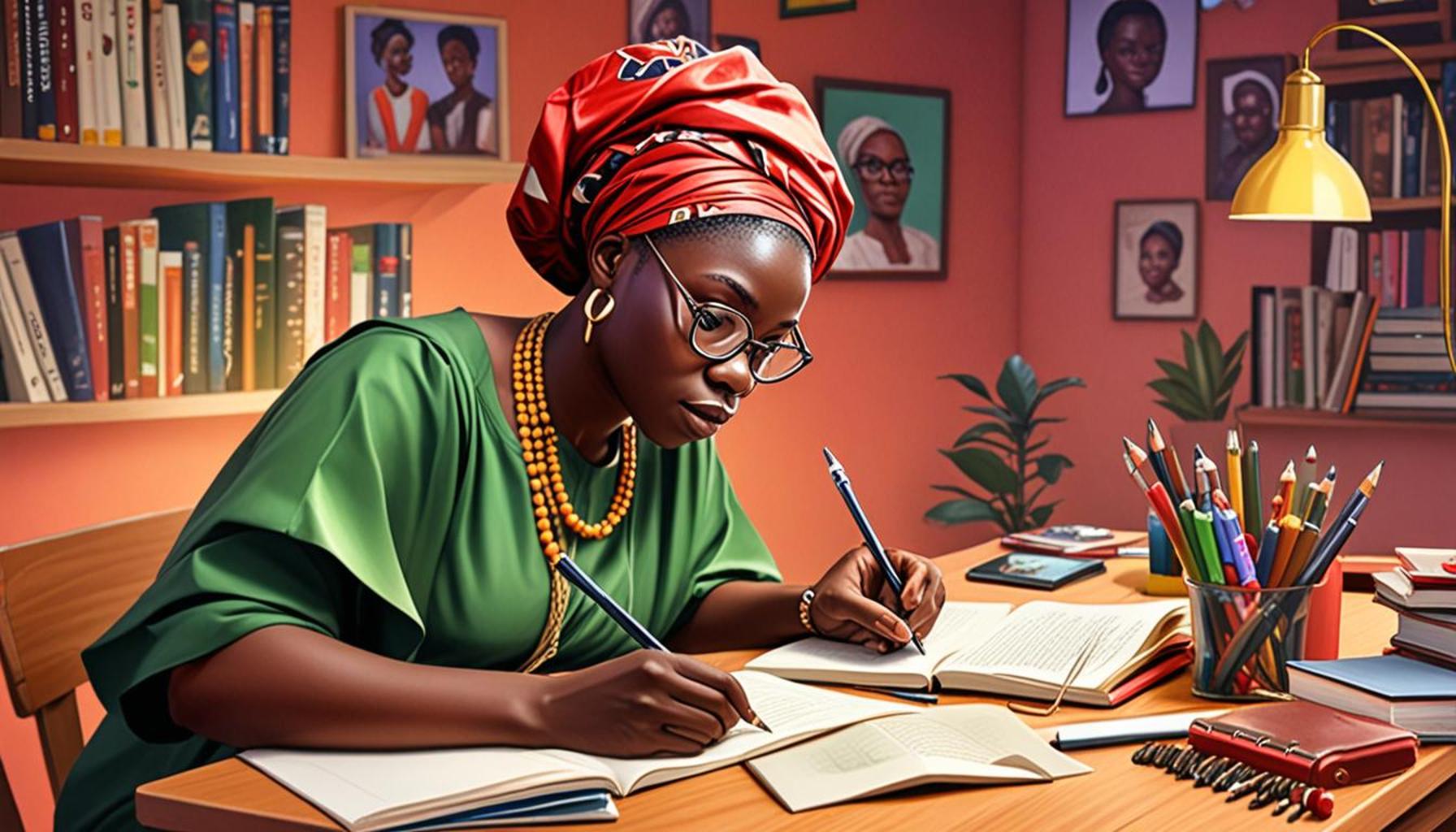
The landscape of Nigerian literature is undergoing a vibrant and profound evolution, with authors harnessing their narratives to engage with pressing social themes. This transformation is not merely a stylistic experiment; it serves as a powerful conduit through which contemporary issues are explored and articulated. The potency of Nigerian literature lies in its ability to reflect the complexities of life in a culturally rich and diverse nation.
One of the most significant themes emerging in modern Nigerian literature is identity. Writers delve into the intricacies of personal and national consciousness, crafting narratives that question and redefine what it means to be Nigerian. For instance, in her novel “Freshwater,” Akwaeke Emezi intertwines personal experiences with aspects of Igbo spirituality, showcasing how cultural heritage influences identity formation. This exploration of self resonates deeply with readers, particularly in a nation marked by diverse ethnic backgrounds and histories.
Furthermore, the rapid advancement of technology is leaving an indelible mark on literature as well. Authors are increasingly integrating digital narratives and the dynamic influences of social media. This innovative approach allows for storytelling that is both contemporary and relatable. Chigozie Obioma, in his works, often employs a blend of traditional narratives with modern storytelling techniques that speak to younger generations navigating a digital world, thus bridging generational gaps.
The theme of postcolonialism is likewise pivotal in the current literary scene. Writers are reassessing historical narratives, shedding light on marginalized voices and perspectives. Through their works, they challenge colonial legacies and portray the realities of living in a postcolonial society. This reexamination is vital in shaping national discourse, as it encourages readers to reflect on their collective history and its impact on contemporary affairs.
Genres such as Afrofuturism and speculative fiction further illustrate the innovative spirit of Nigerian writers. These genres provide a space for authors to envision alternative futures, addressing themes of societal transformation and empowerment. For example, in Afrofuturist works, traditional folklore may be reimagined in a futuristic context, thereby inspiring a renewed sense of hope and possibility among readers.
This article will take you on a deeper exploration of these emerging genres, revealing their significance and ripple effects within the literary community and beyond. By engaging with modern Nigerian literature, readers are invited not only to appreciate the artistry and creativity displayed by these authors but also to join a broader conversation about identity, history, and the power of storytelling in shaping societal narratives.
ADDITIONAL INSIGHTS: Expand your understanding here
Redefining Narratives: The New Wave of Nigerian Genres
As Nigerian literature evolves, the emergence of new genres is fostering a rich environment for storytelling. This proliferation of genres is not merely a trend but a vibrant movement reflecting the dynamic interplay of contemporary culture and historical contexts. Writers are embracing innovative forms that challenge traditional boundaries, resulting in a tapestry of narratives that resonate with both local audiences and the global literary community.
One of the standout genres making waves in Nigerian literature is Afrofuturism. This genre amplifies the voices of African writers, allowing them to envision futures that incorporate elements of science fiction, technology, and the rich tapestry of African mythology. Notable works such as Selasie Alumona’s “The Nebula’s Edge” showcase futuristic landscapes while remaining grounded in African traditions. Afrofuturism not only fosters imagination but also acts as a tool for social commentary, enabling discussions on themes such as colonialism, identity, and resilience.
In Nigeria, speculative fiction is gaining traction as authors weave intricate tales that intersect fantasy and reality. Through speculative fiction, writers like Nnedi Okorafor engage with issues ranging from environmental degradation to gender inequalities. Her acclaimed book, “Akata Witch,” blends elements of Nigerian folklore and supernatural elements, enticing readers into a world where magic colludes with everyday life. This genre, with its permission to explore the “what ifs,” opens up avenues for addressing pressing societal issues in a manner that stimulates critical thinking.
Another emerging trend is the infusion of graphic narratives into the literary landscape. This genre merges visual art with storytelling, producing a compelling medium that captures the imagination of diverse audiences. Nigerian graphic novels such as “Shonen Jump: Nigeria” provide an accessible entry point for younger generations who might otherwise shy away from traditional literary forms. The vibrant illustrations and engaging storylines not only entertain but also educate, exploring cultural heritage and contemporary challenges.
As these genres continue to flourish, there are several notable elements that contribute to their significance:
- Innovation: Authors are experimenting with form and content, creating narratives that are both original and compelling.
- Engagement: New genres foster a conversation about modern issues, prompting readers to engage critically with topics that affect their lives.
- Diversity: The variety of genres ensures that multiple perspectives are heard, representing the vast cultural heritage of Nigeria.
- Global Reach: Emerging genres attract international attention, positioning Nigerian literature on the global stage and encouraging cross-cultural dialogues.
The journey into the realm of emerging genres in Nigerian literature reveals an exciting frontier. As writers embrace new forms, they not only redefine their narratives but also build pathways for future generations to explore and celebrate their heritage through contemporary lenses. This exploration underscores the potential of literature as a transformative force in society, inviting readers to reflect on their own identities and the world around them.
Emerging Genres in Nigerian Literature
As the literary landscape in Nigeria evolves, a wave of emerging genres is taking center stage, reflecting the rich tapestry of experiences and cultural narratives. These genres are breaking away from traditional forms, inviting readers to explore the unique voices shaping contemporary literature.
One notable trend is the rise of speculative fiction, where writers like Tade Thompson and Nnedi Okorafor are blending elements of science fiction, fantasy, and Afrofuturism. This genre not only allows for imaginative storytelling but also critiques social issues and historical narratives through a futuristic lens.
Another captivating genre gaining traction is the graphic novel. Illustrators and authors, such as Kunda and cafes in Nigeria, are utilizing this medium to depict stories that resonate with both younger and older generations. By intertwining visual art with narrative, graphic novels create an accessibility that captures the audience’s attention.
Moreover, memoir and personal narratives are emerging as significant genres, with authors sharing authentic stories that explore identity, migration, and personal struggles. Works like Chimamanda Ngozi Adichie’s ‘Notes on Grief’ resonate deeply, as they offer candid reflections on personal loss and societal issues.
These new genres not only enrich the reading experience but also challenge existing norms, paving the way for future authors to explore diverse storytelling techniques and themes. The cultural relevance and artistic expressions within these genres highlight the dynamic nature of Nigerian literature.
| Category 1 | Category 2 |
|---|---|
| Speculative Fiction | Integrates science fiction and fantasy to address social issues. |
| Graphic Novels | Combines visuals and narratives to engage diverse audiences. |
| Memoir | Authentic personal narratives that resonate with cultural identity. |
These genres not only serve as cultural commentaries but also push the boundaries of creative expression in Nigerian literature, encouraging readers to forge deeper connections with the stories being told. The exploration of these emerging trends indicates a promising future for Nigerian writers and their contributions to the global literary scene.
YOU MAY ALSO LIKE: Read read another article
The Rise of Digital and Performance Poetry in Nigeria
Another significant trend in the landscape of Nigerian literature is the emergence of digital poetry and performance poetry, reflecting the contemporary cultural shift brought on by technology and social movements. In the era of social media, poets are harnessing platforms like Instagram, Twitter, and YouTube to share their work, engage directly with their audience, and create community spaces for dialogue. Nigeria’s literary scene is increasingly vibrant, as poets like Wana Udobang and Innocent Okwuosa utilize these platforms to showcase their artistry and address social justice issues, identity, and mental health, drawing in a new generation of readers and listeners who might not have been reached through traditional print media.
Digital poetry is reshaping how poetry is consumed, as readers are now able to enjoy lyrical expressions at their fingertips. With just a swipe, audiences can experience the emotional resonance of writers discussing contemporary struggles while being visually complemented by engaging graphics or video. This accessibility breaks barriers, allowing untold stories to surface in a country rich with diverse experiences and perspectives. This genre also cultivates a sense of immediacy, enabling poets to respond to events—like protests or social injustices—as they unfold, creating a living dialogue between the written word and present realities.
Furthermore, performance poetry holds a significant place within Nigeria’s literary renaissance. Events such as the Abuja Poetry Festival and the Lagos International Poetry Festival serve as platforms where poets can perform their works live, creating an atmosphere charged with energy and community spirit. Performers like Chinaka Hodge and Poet Jibola have gained recognition not merely for their written pieces but for their ability to convey powerful messages through their voice and body language, transforming poetry into a multifaceted experience. This genre shifts poetry from mere text on a page to a visceral experience that connects with audiences on a deeper emotional level.
The rise of digital and performance poetry in Nigeria signifies not just a trend but a cultural movement that embraces inclusivity and creativity in its most authentic form. Here are some of the key facets that underline the importance of these evolving genres:
- Accessibility: Digital platforms eliminate geographical barriers, allowing poets to reach a broader audience while elevating local voices globally.
- Cultural Relevance: Poets engage with pressing issues such as the End SARS movement, poverty, and women’s rights, making their work relevant and impactful.
- Authenticity: Performance aspects allow poets to infuse their personal experiences into their work, fostering a real connection with their audience.
- Community Building: Social media and live performances create spaces for dialogue and collaboration, nurturing a supportive network of creatives.
As these genres evolve, they reinforce the narrative that literature is not confined to traditional print but is a dynamic field subject to reinterpretation through modern influences. In Nigeria, where oral traditions have long been part of storytelling, the fusion of performance with poetry allows for a revival and recontextualization of cultural history while paving the way for future iterations of the craft.
The exploration of these emerging genres reflects a larger societal narrative, encapsulating the voices of a new generation that seeks to assert their identity and share their stories. The risk-taking involved in these forms resonates with the broader Nigerian ethos of resilience and innovation. As the literary landscape continues to evolve, it invites exploration, participation, and a deeper understanding of contemporary Nigerian experiences.
SEE ALSO: Click here to read another article
Conclusion: A New Era in Nigerian Literature
The landscape of Nigerian literature is currently undergoing a profound transformation, with emerging genres such as digital poetry, performance poetry, and hybrid literary forms at the forefront. These new trends illustrate the adaptability and resilience of Nigerian writers as they navigate a rapidly changing cultural and technological environment. By leveraging modern platforms, poets and writers are not only disseminating their work more broadly but also reshaping narratives that resonate deeply with a diverse audience.
Through social media and live performances, writers are breaking down traditional barriers, fostering community engagement, and encouraging dialogue around pressing societal issues such as social justice, identity, and mental health. The rise of these genres reflects a collective urgency to communicate personal and communal experiences, thus enriching the literary tapestry of Nigeria. Emerging voices like writers Wana Udobang and Chinaka Hodge epitomize this vibrant wave, redefining how art can intersect with activism and cultural discourse.
As these literary forms continue to grow and evolve, they invite audiences to witness a unique blend of tradition and innovation inherent in Nigerian storytelling. This dynamic change may well lead to new interpretations of what literature is and can be, ensuring that both local and global readers remain engaged with the rich narratives stemming from Nigeria. The future of Nigerian literature—marked by inclusivity, authenticity, and creativity—promises to inspire not only curiosity but also participation from a multitude of voices. Engaging with these emerging genres is essential for anyone seeking to understand the complexities of contemporary Nigerian society and the powerful stories that emerge from it.