How Tech is Revolutionizing Musical Pursuits in Nigerias Urban Hubs
Introduction
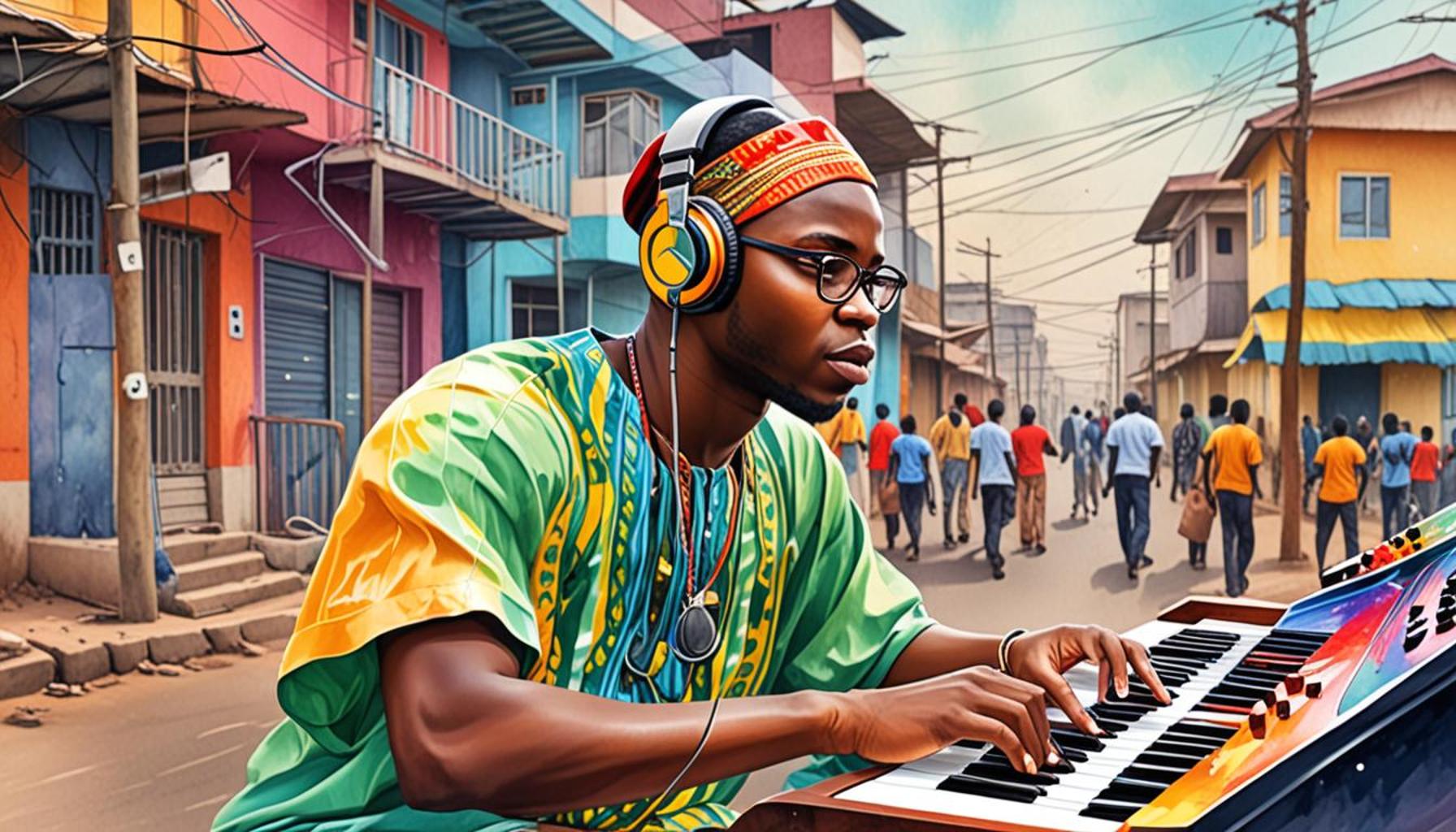
The intertwining of technology and music in urban Nigeria is reshaping how communities express their creativity. In cities like Lagos and Abuja, the emergence of digital platforms and innovative tools is creating a vibrant cultural landscape that empowers artists and enthusiasts alike. As musicians harness the power of tech, they are not just producing music; they are building communal identities and fostering collaborations that transcend traditional boundaries.
This transformation is particularly relevant in the context of creative hobbies, where technology plays a pivotal role in accessibility and engagement. With the rise of social media, streaming services, and music production software, individuals have more avenues than ever to showcase their talents. As we delve into the fascinating ways technology is influencing musical pursuits, we will explore the Top 5 impactful changes shaping the future of music in Nigeria’s urban centers.
Top 5 Ways Technology is Transforming Musical Pursuits in Urban Communities in Nigeria
In recent years, the intersection of technology and music has profoundly influenced urban communities in Nigeria. As the world becomes increasingly digital, so too do the sounds and aspirations of budding musicians and enthusiasts in Nigeria. Technology has opened new avenues for creation, distribution, and interaction, reshaping the musical landscape. Here are the top five ways technology is transforming these artistic pursuits.
5. Online Collaboration Platforms
One of the most significant advancements technology has brought is the ability for artists to collaborate online. In a country as diverse as Nigeria, artists can now work together across vast distances without ever meeting in person. This is particularly important in connecting voices from Nigeria’s disparate urban communities, which are as culturally rich as they are geographically spread out.
Websites and apps such as SoundCloud, BandLab, and BeatStars provide platforms for musicians to share their work, connecting with others globally. These platforms enable a seamless exchange of ideas and talent, leading to cross-cultural collaborations that were previously impossible. For instance, a musician in Lagos can easily collaborate with a producer in Kano, thus fostering a rich blend of regional musical styles.
Artists can share beats, lyrics, and entire tracks, negating the barriers of geography and enabling creativity to flourish. A notable example is the global success of genres like Afrobeats, which thrive on such digital collaborations, enabling artists to refine their sound and push the boundaries of traditional music styles. This broader accessibility encourages creative experimentation and the invention of new sounds, contributing to a more vibrant and innovative music scene.
4. Access to Streaming Services
The rise of streaming platforms like Spotify, Apple Music, and Boomplay has completely transformed how music is consumed in Nigeria. They provide access to a vast library of global and local music at the touch of a button. These platforms have democratized music consumption, offering listeners the freedom to explore and discover an extensive array of musical genres.
This accessibility encourages exploration and appreciation of various genres, fostering a richer musical understanding among users. A user in Abuja can easily access playlists ranging from classical jazz to the latest Afrobeats, expanding their musical palate. Moreover, local artists can upload their music, reaching broader audiences than ever before. This has been critical in promoting indigenous music genres such as Juju and Highlife on an international scale.
Streaming services represent a vital revenue stream for artists. For instance, Burna Boy and Wizkid, who have achieved international acclaim, owe a significant portion of their success to streams from these digital platforms. This phenomenon has not only boosted income for many musicians but has introduced unique Nigerian sounds to global listeners, further enriching the world music scene. Through detailed analytics offered by these services, artists can better understand their audience demographics, tailoring content to meet listeners’ preferences.
3. Empowerment through Music Production Software
Music production software has democratized the process of creating music, allowing aspiring artists to craft high-quality tracks from their homes. Tools such as FL Studio, Logic Pro X, and Ableton Live have made it easier for anyone to produce music irrespective of their financial situation.
In Nigeria, this trend has paved the way for emerging artists to record and release their music independently, without relying solely on traditional studios that often require hefty fees. This has allowed more voices from varied economic backgrounds to break into the music scene. Young creators embrace technology, becoming not just consumers of music but also producers, amplifying their voices and showcasing their unique perspectives.
These tools come equipped with virtual instruments and sound effects that mimic those in professional studios, empowering artists to create rich soundscapes. For example, young talent like Santi and nonso amadi have harnessed these technologies to craft distinctive sounds that set them apart in the international music market. This ease of access to production tools is spawning a renaissance of independent music that is unshackled by traditional industry demands.
2. Social Media Engagement
Social media platforms like Instagram, Twitter, and TikTok have become indispensable tools for musicians in Nigeria to engage with their audiences. Artists now utilize these platforms not just for self-promotion but for creativity and engagement at unprecedented levels.
Musicians share behind-the-scenes content and interact directly with fans, building a more personal brand image. For instance, Nigerian superstars like Davido and Tiwa Savage have notably utilized Instagram Live sessions to perform exclusive acoustic sessions, creating an intimate atmosphere with fans. This level of engagement creates a community and a sense of belonging among fans, supporting a vibrant culture around Nigerian music.
Viral challenges and trends on these platforms often propel songs to fame, as demonstrated by several Nigerian artists who have become global sensations through TikTok. This mechanism not only elevates their profiles but opens up numerous opportunities for collaboration and exposure. Such viral trends can take songs from anonymity to international charts within days, offering musicians virtually limitless potential for exposure.
1. Transformative Impact of Mobile Technology
At the forefront of the technological revolution in music within urban Nigerian communities is mobile technology. The widespread use of smartphones has democratized access to music-making tools and platforms. Many Nigerians use mobile apps such as AudioKit or GarageBand to produce music directly from their mobile devices.
This advancement has empowered countless musicians, allowing them to create, share, and promote their work without the need for expensive equipment or studio time. Mobile technology has placed powerful music production capabilities literally in the palms of aspiring artists, providing a level playing field for talent to shine irrespective of financial constraints.
Additionally, mobile technology has facilitated the proliferation of music sharing via apps and social media, enabling musicians to reach global audiences right from their smartphones. This has led to an ecosystem where artists can test new sounds, gather instant feedback from fans, and adjust their music strategies in real-time. This aspect of mobile technology is not just reshaping music production but reshaping how musicians interact with their audience on a granular level.
In conclusion, it’s evident that technology is not just a tool; it is a catalyst for change in the Nigerian music landscape. By embracing these innovations, artists are not only reimagining their creative processes but also enriching the global music narrative. As urban communities in Nigeria continue to grow and evolve, so too will their musical expressions, buoyed by the endless possibilities technology brings. The horizon is bright for Nigerian music, signaling a future where technology continues to bridge gaps and unite artists worldwide.
| Category | Details |
|---|---|
| Access to Music Production Tools | Technology has made music production tools widely accessible. Artists can now leverage software like Ableton or FL Studio on affordable laptops to produce high-quality music at home, eliminating the necessity for expensive studio rentals. |
| Social Media Marketing | Social media platforms like Instagram and TikTok allow artists to promote their music efficiently. Viral trends can lead to sudden recognition, providing a platform for local artists to reach international audiences without traditional marketing budgets. |
| Collaborative Opportunities | Technology fosters collaboration among artists through virtual platforms. Musicians from different regions can create music together in real-time, combining diverse influences and increasing the richness of the musical landscape. |
| Cultural Exchange | With technology, music transcends geographical boundaries. Nigerian urban communities can now access music from around the globe, blending traditional sounds with contemporary genres, thus enriching their cultural expression. |
Urban communities in Nigeria are witnessing a significant transformation in their musical pursuits, driven by advancements in technology. The widespread access to digital tools has democratized music creation, allowing talented individuals from diverse backgrounds to express themselves creatively. Genres that were once confined to local environments can now be blended and reshaped, paving the way for a new soundscape that reflects both local and global influences.The role of social media cannot be overstated. It has become an essential platform for artist discovery, enabling individuals to build their brands without traditional record label support. Notably, the use of platforms such as Spotify and YouTube allows independent artists to disseminate their work widely. This shift not only enhances visibility but also brings about new monetization models through streaming.In the spirit of collaboration, musicians are harnessing technology to interact with each other remotely, leading to innovative works that might not have been possible in the past. Through online workshops and collaborative projects, artists can share skills, ideas, and experiences, which ultimately nurtures a vibrant, interconnected community.Moreover, the element of cultural exchange is profoundly influencing the musical landscape in Nigeria. The digital space allows local artists to draw inspiration from international trends, merging these influences with indigenous sounds to create hybrid genres that resonate with wider audiences. This cultural fusion is not only enriching the local music scene but it is also making its mark on a global scale, drawing attention to Nigeria as a hub of musical creativity. Thus, it is evident that technology is not merely a tool; it is a catalyst that is reshaping the future of musical expression within urban Nigerian communities, paving the way for a new era of artistic innovation and cultural representation.
Frequently Asked Questions on Technology and Musical Evolution in Urban Nigeria
How has technology influenced musical creation in Nigerian urban communities?
Technology has deeply influenced musical creation in Nigerian urban communities by providing easy access to various music production tools and software. Musicians now utilize digital platforms to record, edit, and distribute their work, significantly lowering traditional barriers to production. Additionally, online tutorials and resources allow artists to improve their skills independently, enabling a diverse range of new talents to emerge rapidly.
What role do social media platforms play in the evolution of music in Nigeria?
Social media platforms like Instagram, Twitter, and TikTok have played a crucial role in music evolution by providing artists with a platform to share their work instantly with a broader audience. These platforms help musicians to engage directly with fans, receive feedback in real-time, and create viral trends that can catapult their music to international recognition. Moreover, social media is frequently used for collaborations, connecting Nigerian artists with peers and influencers globally.
What are some challenges faced by Nigerian musicians due to technological advancements?
While technology offers numerous benefits, Nigerian musicians face challenges like piracy and copyright infringement which diminish their earnings. Furthermore, the fierce competition on digital platforms means standing out requires consistent quality and active online presence. There is also a growing need for education in digital literacy to make the most out of technological tools without falling prey to scams or data theft.
Is technology affecting traditional music styles in urban Nigeria?
Technology is indeed affecting traditional music styles, sometimes leading to the fusion of indigenous sounds with modern beats which creates a unique blend of traditional and contemporary music. While this can revive interest in traditional tunes, there is also a concern that rapid digitization might endanger the preservation of pure traditional music forms as younger musicians lean towards more popular genres.
How are urban communities in Nigeria leveraging technology to foster musical talent among the youth?
Urban communities in Nigeria leverage technology by providing platforms such as local digital studios and music academies that offer training and resources to the youth. Online collaborations and contests also encourage young musicians to showcase their talent to a global audience. Furthermore, smartphone accessibility enables even those in less privileged areas to record and share their music, fostering a new generation of artists who are tech-savvy and innovative.
Conclusion
In examining how technology is transforming musical pursuits in Nigeria’s urban communities, the shift in dynamics is both profound and multifaceted. Firstly, the accessibility brought by digital platforms has democratized music creation and distribution. Artists from all corners of Nigeria are empowered to showcase their talents without the traditional gatekeepers, broadening the scope of the country’s vibrant music scene.
Secondly, the integration of modern production tools has revolutionized the way music is crafted. With affordable software and equipment, aspiring musicians can produce high-quality tracks comparable to international standards, leading to a surge in diversity and innovation within Nigeria’s urban music genres.
The third crucial transformation is the enhancement of live performance experiences through technological advancements. From improved sound systems and digital effect orchestrations to the rise of virtual concerts, audiences can engage with music in dynamic and interactive ways, fostering a deeper connection between artists and fans.
Furthermore, technology has fostered new pathways for collaboration, transcending geographical boundaries. Musicians in Nigeria now collaborate globally, integrating diverse influences into their work and expanding their reach beyond the local scene, thus contributing to the global music landscape.
Lastly, the financial ecosystems supporting musicians have evolved. With the rise of data-driven analytics and streaming platforms, artists can capitalize on new revenue models, gaining insights into their audience demographics and preferences to tailor their offerings effectively.
In summary, the intersection of technology and urban musical pursuits in Nigeria is paving the way for a more inclusive and innovative creative industry. This transformation is not only crucial for the sustainability and growth of local talent but also positions Nigeria as a dynamic player on the world stage. As these changes continue to unfold, the potential for further exploration and insight remains vast, inviting musicians and enthusiasts alike to dive deeper into the technological revolution shaping the creative pursuits in urban Nigeria.