Nutrition and health: how proper feeding can prevent health issues in pets
Understanding the Impact of Proper Nutrition on Pets
The connection between nutrition and pet health is undeniable. Just like humans, pets require a balanced diet to thrive and maintain their well-being. Proper feeding can be a powerful tool in preventing health issues among our furry companions. In Nigeria, the importance of nutrition is especially crucial due to the variety of environments and lifestyles pets endure, from city dwellers in bustling Lagos to rural companions in the northern regions. Tailoring diets to fit these diverse circumstances can make a significant difference in pet wellness.
Nutrition lays the groundwork for a pet’s overall health. Here are some key benefits of ensuring a proper pet diet:
- Prevention of Obesity: A well-portion-controlled diet helps maintain a healthy weight. Overfeeding pets, especially with high-calorie snacks or table scraps, can lead to obesity, which is a growing concern among pet owners. For instance, a common misconception in Nigeria is that a well-fed dog looks healthy; in fact, maintaining appropriate body weight is crucial for their mobility and longevity.
- Strengthened Immune System: Nutrient-rich food boosts immunity against common diseases. Ingredients like Omega-3 fatty acids found in fish can improve skin health and ward off infections. In regions where parasites are prevalent, a strong immune system helps pets fend off illness—a critical consideration for many pet owners.
- Improved Digestive Health: Quality ingredients reduce gastrointestinal issues. Many local brands are increasingly focusing on the quality of their ingredients, providing options that cater to digestive health needs, a common concern for many pets in urban environments where they might consume waste or spoiled food.
- Enhanced Longevity: Proper nutrition can lead to a longer, healthier life. Studies have shown that pets on balanced diets with essential nutrients often live significantly longer than those on subpar diets. This insight emphasizes the need for Nigerian pet owners to consider the long-term benefits of quality nutrition for their beloved animals.
Despite the clear link between what pets eat and their overall health, many pet owners underestimate its significance. With rising pet healthcare costs, investing in proper feeding can save owners from future expenses related to health problems. Providing a sustainable diet might also involve incorporating local ingredients or traditional dishes suitable for pet consumption, enhancing both nutrition and economic viability for pet owners.
As we delve deeper into this topic, we will explore how adopting the right feeding practices can drastically enhance the health and quality of life for pets in Nigeria. Understanding what constitutes a balanced diet, which can be tailored to the specific needs of pets based on age, breed, and lifestyle, might be the key to unlocking their optimal health. For instance, younger pets require different nutrients compared to older ones, reflecting the specific needs of their developmental stages. Additionally, engaging with local veterinarians can guide owners in making informed dietary choices.
Balancing Pets’ Diets for Optimal Health
When it comes to our pets’ health, understanding the components of a balanced diet is essential. A typical pet diet should consist of proteins, carbohydrates, fats, vitamins, and minerals—each playing a unique role in your pet’s overall health. In Nigeria, where many pet owners rely on homemade meals or local brands, it is imperative to ensure these basic nutritional requirements are met. The variety of options available can make navigating pet nutrition a challenge. However, with some guiding principles, pet owners can create diets that not only promote health but also prevent potential ailments.
One of the fundamental components of a proper diet is protein. Proteins are vital for growth, repair, and maintenance of body tissues. For pets, this means incorporating a mix of animal and plant proteins. For example, using locally sourced chicken, fish, or legumes can provide quality protein to fulfill their nutritional needs. Moreover, certain protein sources are richer in nutrients; for instance, fish offers Omega-3 fatty acids, which enhance heart and skin health.
Next in significance is the inclusion of carbohydrates. Often misunderstood, carbohydrates are an important energy source that can come from grains like rice or maize, which are commonly available in Nigerian markets. However, it’s crucial to choose carbohydrates that promote good digestion. Fiber-rich options, such as sweet potatoes, can improve gut health and aid in preventing obesity-related issues.
The Importance of Healthy Fats
Fats, often viewed with skepticism, are another essential part of a pet’s diet. Healthy fats not only provide energy but also support cell structure and promote brain function. Incorporating sources of healthy fats, such as vegetable oil or fish oil, is vital in ensuring that your pet has a vibrant coat, healthy skin, and optimal joint function.
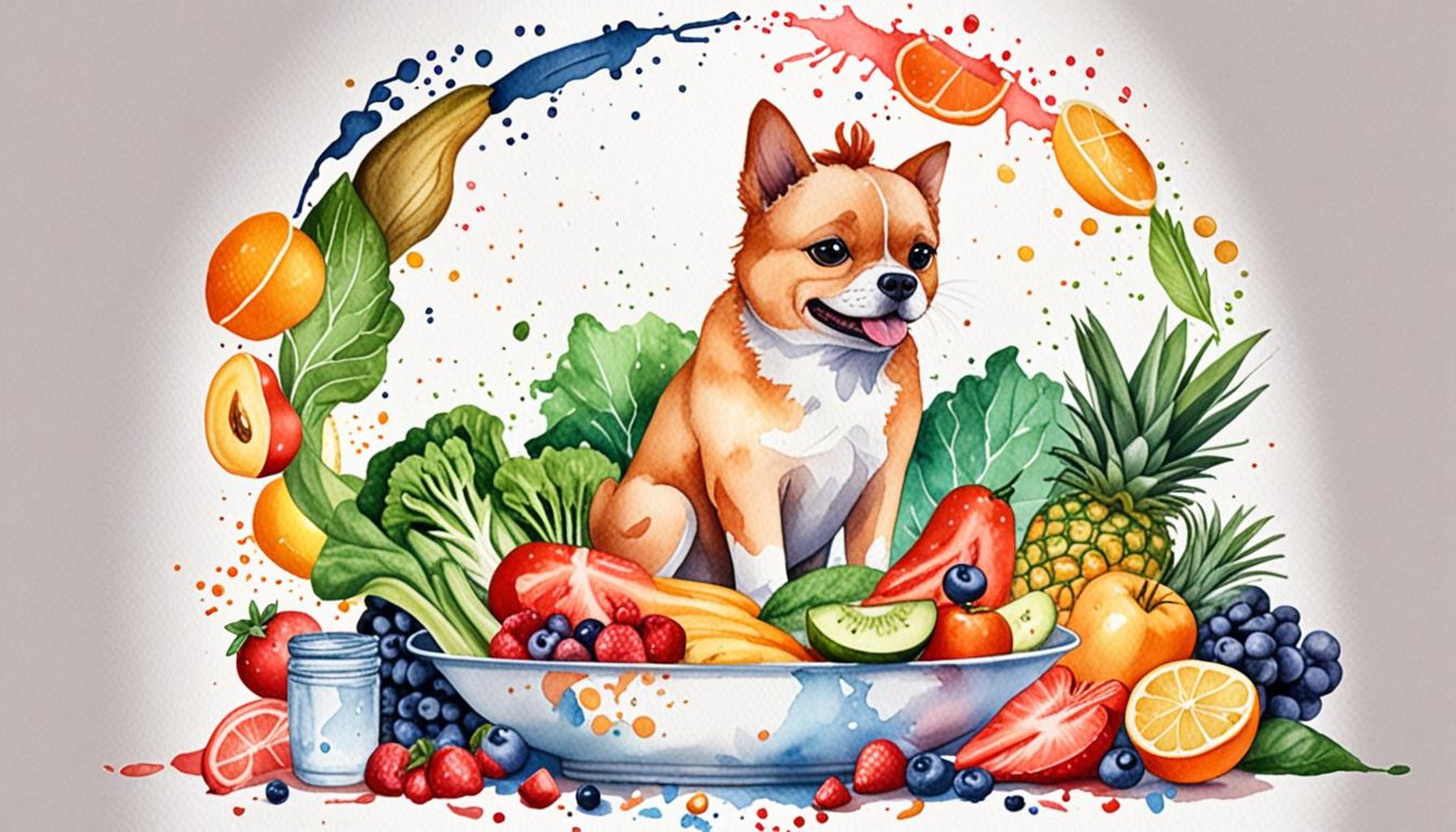
- Vitamins and Minerals: Providing pets with an array of vitamins and minerals is essential to their health. Ingredients like leafy greens, carrots, and fruits can supply these micronutrients.
- Hydration: Don’t forget that proper hydration is critical. Always ensure pets have access to fresh, clean water to support digestion and overall bodily functions.
In summary, understanding the building blocks of a proper diet is crucial for pet owners striving to maintain the health and well-being of their pets. By focusing on quality ingredients and recognizing what nutritional components contribute to their pets’ health, owners can craft diets that lead to preventative health measures. As we explore more in this article, we aim to equip pet owners with the knowledge to make informed decisions about feeding practices.
| Advantages | Description |
|---|---|
| Weight Management | Proper feeding aids in maintaining a healthy weight, reducing risks of obesity and related diseases. |
| Balanced Nutrition | A well-rounded diet ensures pets get all essential nutrients, supporting overall health and immunity. |
| Digestive Health | Quality ingredients promote better digestion, preventing gastrointestinal issues and promoting nutrient absorption. |
| Allergy Prevention | Understanding and managing food sensitivities can prevent allergies and skin irritations in pets. |
| Increased Longevity | A nutritious diet can lead to a longer, healthier life for pets, reducing the incidence of chronic diseases. |
The importance of nutrition in pets cannot be overstated. A well-balanced diet not only contributes to their physical well-being but is also a crucial factor in preventing serious health issues. For instance, weight management through proper feeding can help prevent obesity-related complications, such as diabetes and joint problems. Moreover, a balanced nutrition profile ensures that pets receive vital nutrients, which enhances their immune system and stamina.Digestive health is another significant advantage; high-quality pet food can promote efficient digestion, keeping gastrointestinal problems at bay. Additionally, allergy prevention through careful selection of food ingredients helps to combat various allergic reactions pets may experience, ultimately leading to healthier skin and coat. By prioritizing nutrition, pet owners can greatly enhance their companions’ quality of life, ensuring they live longer, healthier lives free from common health issues. Exploring various nutrition options tailored to the specific needs of your pet is a worthwhile endeavor for any loving pet owner.
Recognizing the Impact of Poor Nutrition
While understanding what constitutes a balanced diet is essential for pet owners, it is equally important to recognize the detrimental effects of poor nutrition. A diet lacking in essential nutrients can lead to numerous health complications that can drastically impact a pet’s quality of life. From skin irritations to more severe issues like obesity, diabetes, and even heart disease, the repercussions of improper feeding cannot be overlooked.
In Nigeria, the prevalence of obesity in pets is steadily increasing. This can often be attributed to a high caloric intake coupled with insufficient exercise. Excessive treats and a heavy reliance on grains can contribute to weight gain, leading to joints’ undue stress and a host of related health problems. A significant indicator of obesity in pets is their body condition score (BCS): a scale that assesses an animal’s weight in relation to its size. Pet owners should actively monitor their animals’ BCS to avoid the pitfalls of overfeeding, especially in a country where traditional feeding practices may dictate larger portion sizes.
The Role of Regular Vet Check-ups
Regular check-ups with a veterinarian are crucial in pinpointing potential nutritional deficiencies or health issues that may arise from poor diet choices. For instance, a lack of essential vitamins, such as Vitamin E, can lead to skin disorders and hair loss. A veterinarian can recommend specific dietary adjustments or additional supplements to combat these deficiencies. Also, pets are not always good at showing discomfort; therefore, proactive health assessments can help detect and address underlying problems before they escalate.
Furthermore, allergic reactions associated with feeding can also complicate nutrition management for pets. Many commercial pet foods contain common allergens like soy or wheat, which can lead to skin conditions or gastrointestinal issues. Transitioning to hypoallergenic or grain-free diets can alleviate these concerns, but doing so should be under veterinarian supervision to ensure the diet remains nutritionally complete.
Home-Cooked Meals: A Double-Edged Sword
In Nigeria, many pet owners opt for home-cooked meals as a more personalized feeding choice for their pets. While these meals can provide fresh ingredients, they may lack the necessary balance unless carefully formulated. It is essential to educate oneself about proper portion sizes and the inclusion of vital nutrient sources to avoid deficiencies. Pet nutritionists often suggest that a veterinary nutritionist should be consulted when moving towards a homemade diet to ensure the meals are comprehensive and appropriate. This can prevent common mistakes that can lead to significant health issues down the line.
- Pet-Specific Needs: Different breeds and ages of pets have unique dietary requirements. Puppies, for instance, need more protein and fat for growth, whereas senior pets may require diets lower in calories yet rich in fiber to aid digestion.
- Cultural Influences: A fascinating aspect of pet nutrition in Nigeria is the combination of traditional foods with modern nutritional advice, creating a fusion that ideally supports better health outcomes.
As pet owners explore these factors further, they can cultivate a better understanding of how necessary feeding practices impact their pets’ health. The journey toward nutritional awareness can significantly reduce the risk of health-related issues tied to diet, creating a healthier and happier life for our beloved companions.
Conclusion
In conclusion, the intricate relationship between nutrition and health plays a pivotal role in the well-being of our pets. A well-balanced diet is not just a luxury; it is a fundamental requirement that can substantially prevent health issues such as obesity, diabetes, and heart disease. As Nigerian pet owners become more aware of their animals’ specific dietary needs, they can significantly improve their quality of life and longevity.
The alarming rise in obesity rates among pets highlights the urgent need for education on proper feeding practices. Regular veterinary consultations serve as a cornerstone in this journey, providing not only insights into potential deficiencies but also guidance on transitioning between diets, whether commercial or homemade. The fusion of traditional Nigerian feeding customs with modern nutritional knowledge can yield a significant enhancement in health outcomes for pets, making it imperative for owners to seek balanced meals tailored to their pets’ specific needs.
As we forge ahead into a future where pet nutrition becomes increasingly prioritized, it is vital for pet owners to stay informed and proactive. By investing time in research, understanding nutritional labels, and recognizing the signs of poor health influenced by diet, they can significantly decrease the risk of nutrition-related health issues. Ultimately, a commitment to informed feeding practices ensures that our beloved animal companions lead vibrant, healthy lives full of joy and vitality.