Proper Nutrition for Adopted Pets: How to Make the Best Choices
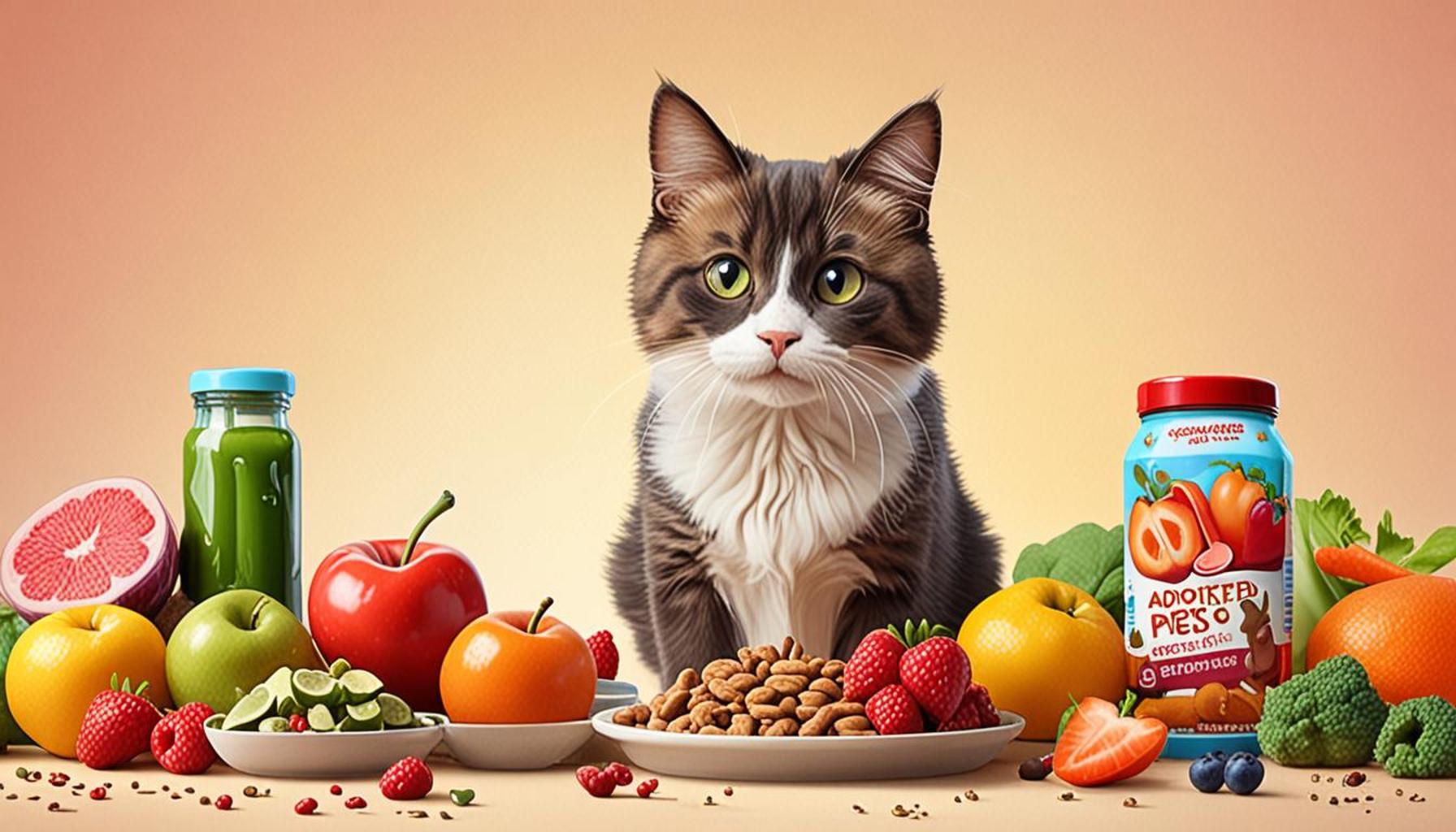
The Journey of Pet Nutrition
Adopting a pet is not just about bringing a new companion into your home; it is an emotional odyssey filled with love, responsibility, and growth. One of the pivotal responsibilities that come with this joy is proper nutrition. Like humans, a balanced diet plays a crucial role in enhancing a pet’s health, vitality, and longevity. Beyond physical health, appropriate nutrition fosters a deeper emotional bond between you and your furry friend, creating a mutually satisfying relationship.
Navigating the Pet Food Aisle
In today’s market, the array of pet food options can seem labyrinthine, leaving new pet owners feeling perplexed. To choose wisely, several crucial points should be taken into account:
- Know Your Pet’s Needs: Just like humans, individual pets have unique dietary needs. For instance, the nutritional requirements of a growing puppy differ vastly from those of a senior dog. Additionally, breed-specific needs should also be considered; Poodles may require diets rich in omega-3 fatty acids for their coat, while Bulldogs might benefit from weight management formulas.
- Choose Quality Over Quantity: When selecting pet food, it’s tempting to go for the cheapest option. However, prioritizing high-quality brands that use natural ingredients can ensure your pet receives essential nutrients. Brands that emphasize whole meats, vegetables, and limited fillers provide better nutrition that can lead to improved health outcomes, including better digestion and a shinier coat.
- Monitor Food Labels: Understanding what’s in your pet’s food is crucial. Look for AAFCO (Association of American Feed Control Officials) approval on labels, which guarantees that the food meets specific nutritional standards. Ingredients should be listed in order of predominance; for example, a product that lists chicken as the first ingredient generally contains more protein than one that lists corn.
- Consult a Vet: Your veterinarian can provide invaluable insights into a tailored nutrition plan suited to your pet’s unique needs. They can also guide you in transitioning to new foods to prevent digestive issues and address any specific health concerns you might have about your pet.
Local Context and Nutritional Practices
In Nigeria, it’s vital to adapt your pet’s diet, keeping local flavors and available ingredients in mind. Sometimes, traditional foods like cooked rice, vegetables, and lean meats can be safely incorporated into your pet’s meals, offering variety and taste while enhancing nutritional value. However, caution is advised—some foods, such as onions and chocolate, can be toxic to pets. Ensuring the right balance when using local ingredients can thus support both the physical and emotional well-being of your furry friend.
Proper nutrition is the backbone of a happy, healthy pet and can prevent common ailments and foster longevity. It’s not just about sustenance; it’s about making informed choices to enrich your pet’s life significantly. With this knowledge, you are now better equipped to embark on this nutritional journey, ensuring your pet receives not only the best in nutrition but also unparalleled love and care. Together, let’s explore how to make informed and healthy choices for our beloved adopted companions—after all, they deserve nothing less!
Understanding Pet Nutrition Basics
When it comes to the well-being of adopted pets, nutrition is the foundation upon which their health is built. However, understanding what constitutes a balanced diet can be a common challenge for new pet owners. The first step in this journey is grasping the basics of pet nutrition, which can significantly impact not just your pet’s physical health, but also their behavior, energy levels, and overall happiness.
The Building Blocks of Pet Nutrition
To ensure that your furry friend thrives, it’s essential to recognize the different components that contribute to a proper diet:
- Proteins: Proteins are the building blocks of your pet’s body; they help maintain muscle mass and support various bodily functions. High-quality sources include chicken, beef, fish, and legumes. For dogs, meat should be the primary ingredient in their food.
- Fats: Healthy fats provide a concentrated source of energy, supporting healthy skin and a shiny coat. Omega-3 and Omega-6 fatty acids, often found in fish oil and flaxseed, are beneficial to both dogs and cats.
- Carbohydrates: While pets primarily thrive on proteins and fats, carbohydrates can play a role in their diet too. Grains like rice, oats, and sweet potatoes offer energy and aid digestion but should be served in moderation. Be mindful to select whole grains over processed options.
- Vitamins and Minerals: Essential to various body processes, vitamins and minerals promote overall health. They strengthen the immune system, enhance bone health, and help in the regulation of key bodily functions. Ensure your pet’s food is fortified with these vital nutrients.
Choosing the right balance of these ingredients is critical. For instance, a diet that is overly high in carbohydrates may lead to obesity in pets, while a deficiency in protein can compromise their overall strength and vitality.
Adapting to Special Dietary Needs
Moreover, adopted pets may come with unique dietary requirements based on their past experiences. Some may have allergies or sensitivities that necessitate a hypoallergenic diet, while others might require fewer calories based on their age or health status. For example, certain breeds are predisposed to specific health issues, such as hip dysplasia in large dogs, which can be managed with weight control and specialized nutrients.
The transition to a new diet should be gradual to prevent digestive upset. Start by mixing a small amount of the new food with their current diet, gradually increasing the new food while decreasing the old over about a week. This approach not only aids digestion but also allows your pet to acclimate to the new flavors and textures.
By becoming well-versed in these fundamentals and recognizing the unique needs of your adopted pet, you can ensure that your decisions are grounded in knowledge and care. A tailored nutrition plan not only promotes optimum health but also enriches the bond between you and your beloved companion, paving the way for a long, joyful journey together.
| Nutrition Type | Benefits |
|---|---|
| High-quality Protein | Essential for muscle development and overall growth in adopted pets. |
| Balanced Fats | Supports healthy skin and coat, while providing necessary energy levels for active lifestyles. |
| Vitamins and Minerals | Boosts immune function and promotes overall wellness in adopted animals. |
| Hydration | Prevents dehydration and supports vital organ functions, crucial for rescued pets. |
When considering proper nutrition for adopted pets, it’s crucial to understand the fundamental needs that ensure their well-being. High-quality protein plays a significant role in not only muscle development but also in aiding the healing process of pets that may have come from stressful backgrounds. Additionally, balanced fats cater to maintaining a healthy skin and coat, which is often compromised in adopted pets due to previous malnutrition. For comprehensive health, the inclusion of essential vitamins and minerals cannot be underestimated; these nutrients fortify the immune system and prepare the pet for a longer, healthier life. Hydration is also pivotal—ensuring that your pet has access to fresh water at all times promotes good organ functionality, especially for those who may have faced neglect in terms of basic care.In the realm of pet nutrition, making informed choices can lead to a happier, healthier companion. Understanding your chosen pet’s specific dietary requirements enables adopters to tailor their feeding accordingly, ensuring that former shelter residents thrive in their new homes.
Navigating Pet Food Labels
Choosing the right diet for your adopted pet can often feel overwhelming, particularly when faced with the myriad of options available on store shelves. Understanding pet food labels is a crucial skill that every pet owner should cultivate. These labels provide vital information regarding the contents, quality, and nutritional value of a product, enabling you to make informed decisions that align with your pet’s specific needs.
Decoding the Ingredients List
The ingredients list is one of the most crucial sections of a pet food label. Ingredients are listed in descending order by weight, so the first few items are the most significant contributors to the food’s content. Look for high-quality meat sources at the top of the list, such as real chicken or lamb; avoid generic terms like “meat by-product” or “meat meal,” which often indicate lower quality.
Pet food formulations made with whole ingredients also include fruits and vegetables that provide essential vitamins and minerals. Ingredients such as sweet potatoes, carrots, and blueberries add additional nutritional value. Furthermore, recognize that grain-free diets have gained popularity, but they are not universally necessary. It’s important to evaluate your pet’s individual health requirements when considering grain-free options.
Understanding Nutritional Adequacy Statements
Another vital aspect to consider is the nutritional adequacy statement found on pet food labels. This statement indicates whether the food meets the nutritional standards established by the Association of American Feed Control Officials (AAFCO). Look for phrases such as “complete and balanced” to ensure that the food provides your pet with all the essential nutrients needed for their age, size, and activity level.
While AAFCO standards can provide a baseline for quality, understanding that these regulations mainly apply to commercially produced pet foods is crucial. For adopted pets with special dietary needs or conditions, it may be beneficial to consult with a veterinarian regarding tailored diet plans or prescription diets.
Homemade Diets: Pros and Cons
Some pet owners decide to prepare homemade meals for their adopted pets, believing it offers better quality control and fresher ingredients. While homemade diets can be beneficial, they require careful planning to ensure they are nutritionally balanced. Common mistakes include excessive reliance on one protein source, which may lead to deficiencies in essential nutrients. Consulting a veterinarian or a pet nutritionist can help design suitable homemade meals that meet your pet’s unique needs.
In Nigeria, there is a growing trend of incorporating locally sourced ingredients into pet diets. Foods such as boiled rice, fish, and vegetables can be nutritious; however, it’s vital to avoid potentially harmful ingredients, such as onions or chocolate, which should never be fed to pets. Always research and verify the nutritional value of ingredients before offering them to your furry friend.
Popular Pet Food Brands in Nigeria
Selecting pet food from reputable brands is essential. In Nigeria, several brands have gained recognition for their quality offerings, such as Chappi, Pedigree, and Royal Canin. These brands often provide diverse options suitable for various pet sizes, breeds, and dietary needs. Nonetheless, always research and consider your pet’s unique preferences and requirements before committing to a specific brand.
Ultimately, effective navigation of pet food labels empowers pet owners in Nigeria to make the best choices for their adopted pets. By understanding the ingredients, nutritional adequacy, and exploring various feeding options, you can set a solid foundation for a healthy, happy life for your cherished companion.
Conclusion: Making Informed Choices for Your Adopted Pet’s Nutrition
In conclusion, ensuring proper nutrition for your adopted pet requires a thoughtful approach that encompasses understanding ingredients, evaluating dietary requirements, and staying informed about available options. As pet owners in Nigeria, we have a responsibility to dive deeper into pet food labels, prioritizing high-quality ingredients while keeping an eye out for essential nutrients outlined by the Association of American Feed Control Officials (AAFCO).
Homemade diets can offer personalized nutrition but must be crafted with care to avoid deficiencies. Local ingredients, when selected wisely, can form the basis of a healthy meal, enhancing your pet’s health and well-being. Nevertheless, always remain cautious of items that may be toxic to pets.
Choosing reputable brands like Chappi, Pedigree, and Royal Canin guarantees quality and tailored nutrition for various breeds and sizes. Your pet’s dietary choices should reflect their individual health, age, and activity levels, ensuring vitality and happiness in their post-adoption life.
Ultimately, an informed approach to pet nutrition not only enhances your adopted pet’s quality of life but also fosters a deeper bond based on care and understanding. Always consider consulting a veterinarian or pet nutritionist to navigate these choices effectively and create a holistic diet plan that caters specifically to your furry friend’s needs. With the right knowledge and dedication, you can contribute significantly to a healthier and happier life for your beloved companion.