Socialization of the Adopted Pet: How to Help Them Make New Friends
Welcome Your New Furry Friend
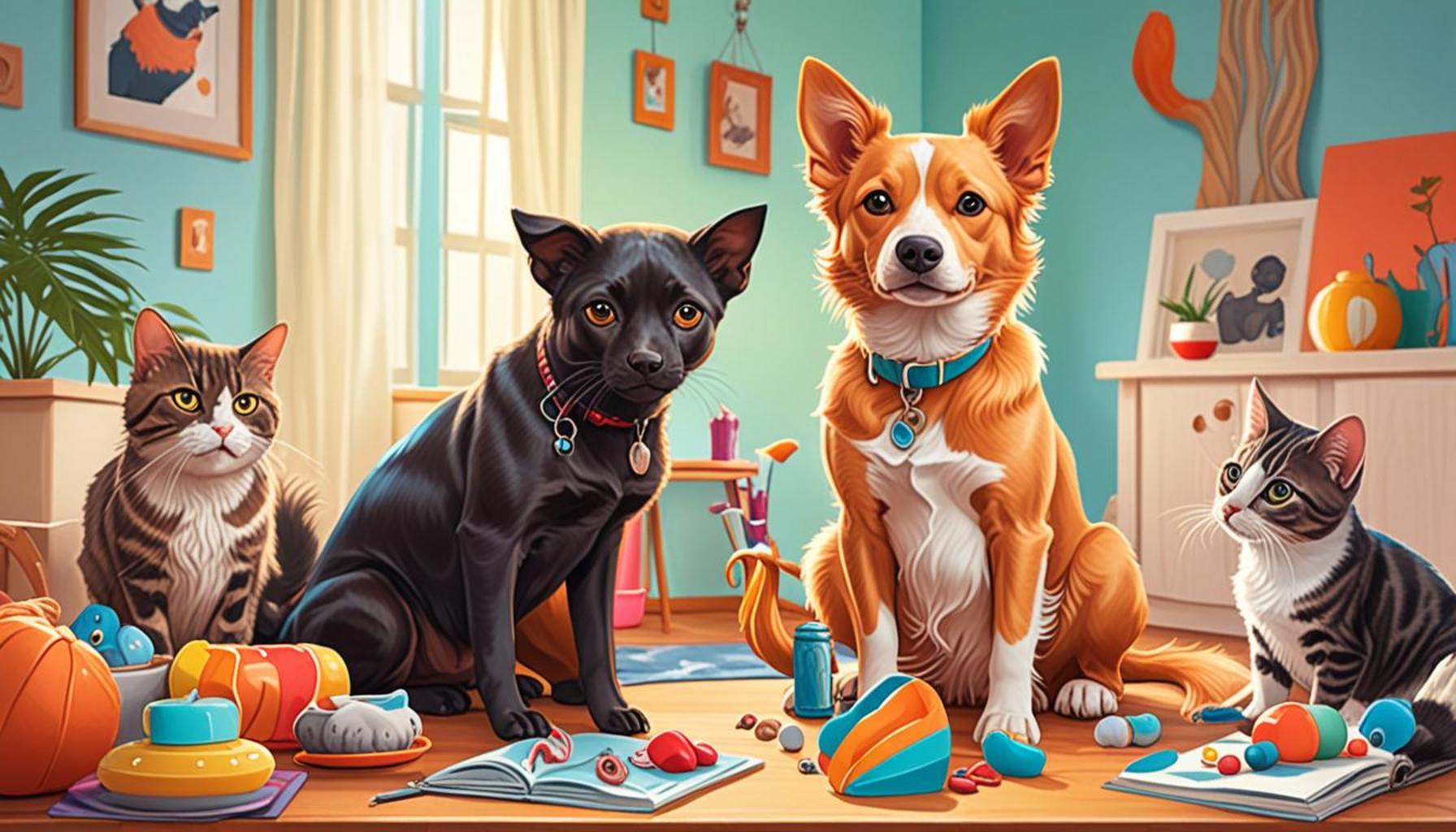
Adopting a pet can be one of the most fulfilling experiences of your life. However, socialization is a critical aspect that can make all the difference for your newly adopted family member. It’s essential to help them navigate their new environment and develop friendships with other pets and humans. Proper socialization ensures that your pet adjusts quickly and maintains a balanced demeanor in various situations.
Understanding the Importance of Socialization
Socialization offers numerous benefits to adopted pets, including:
- Reducing Anxiety: Familiarity with new people and pets can create a sense of safety. For instance, a dog that has been exposed to a variety of sights, sounds, and people is less likely to be frightened when encountering something unfamiliar, like the sound of a motorbike or a crowd of children.
- Encouraging Positive Behavior: Well-socialized pets are often calmer and more adaptable. They are less likely to exhibit behavioral issues such as barking excessively, aggression, or separation anxiety. A friendly cat, for example, might easily make friends with household members and visitors alike, prompting a more harmonious home environment.
- Enhancing Quality of Life: Building social skills leads to a happier and healthier pet. Regular interactions with other animals and people can improve your pet’s mental health and physical well-being. Plans like dog parks or playdates can be instrumental in achieving this.
Challenges of Socialization in Nigeria
In Nigeria, pet socialization can come with unique challenges that new pet owners must navigate:
- Limited Access to Training Resources: Unlike other countries where pet training classes and socialization programs are more accessible, Nigerian dog owners may find fewer structured options. Many training facilities are concentrated in urban areas, leaving rural pet owners with limited support.
- Varied Cultural Perceptions of Pet Interactions: In many communities, pets are viewed differently, with some seeing them as working animals rather than companions. This cultural nuance can affect how pets are socialized, as the focus may be more on utility than companionship.
- A Growing Pet Population Without Structured Socialization Programs: As pet ownership increases, many owners lack guidance on how to socialize their pets effectively. The absence of community-driven initiatives poses a challenge for ensuring that pets can interact safely and positively with each other.
By taking the right steps, you can ensure your adopted pet learns to thrive among new friends, enhancing their adaptability and happiness. This article will provide essential tips and insights to guide you through the socialization process.
Socialization doesn’t need to be overwhelming. Start small; perhaps invite a friend who owns pets to visit your home, allowing your pet to interact with them. Visit local parks where pets are welcomed, as these environments can introduce your furry friend to a diverse range of pets and people. Ultimately, investing time and effort into socialization can significantly enrich the lives of your beloved companions, paving the way for a harmonious coexistence in your home and community.
Building a Strong Foundation for Socialization
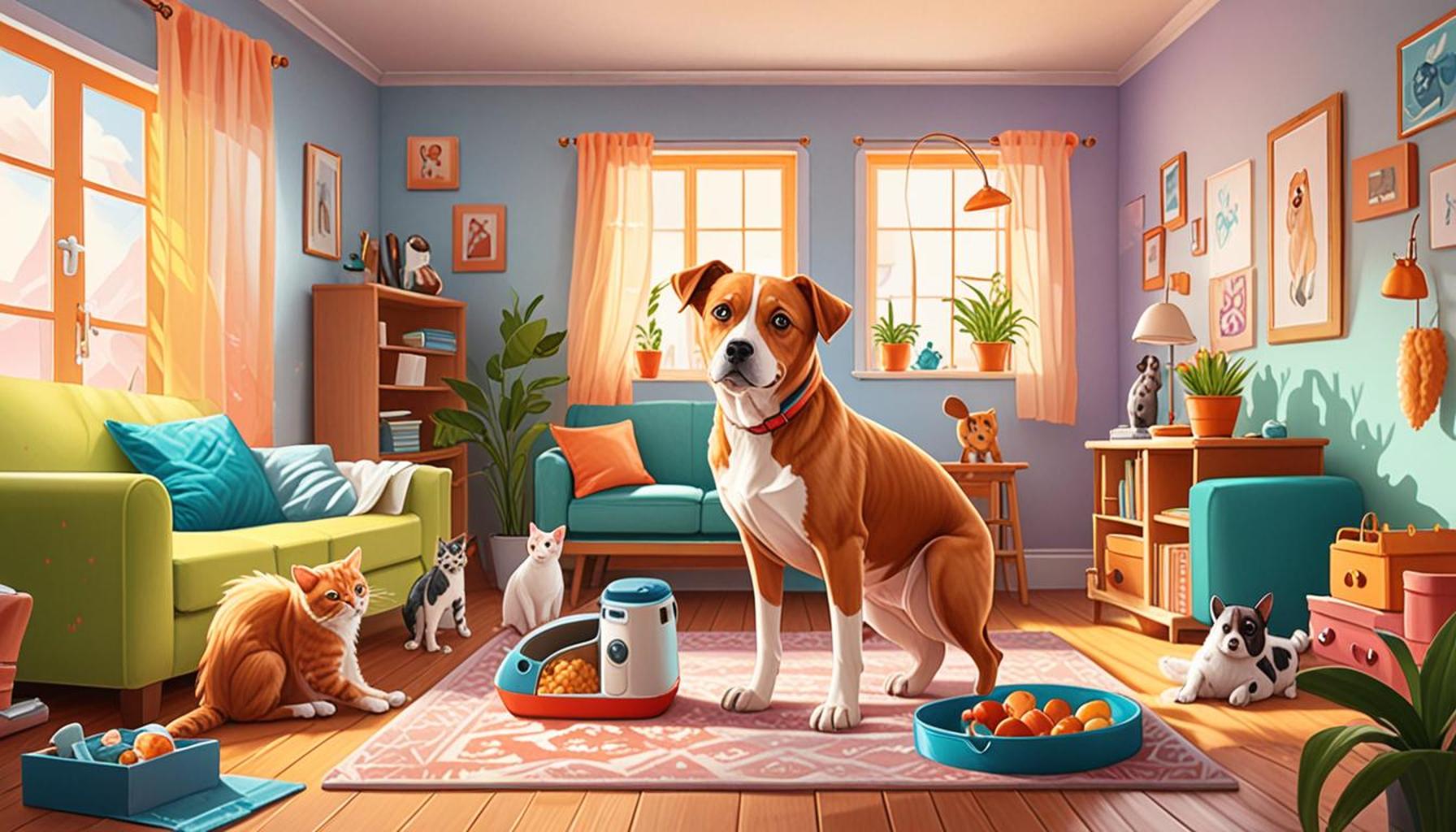
The first step in socializing your adopted pet is creating a safe and familiar environment. This starts with your home. Allow your new furry friend to explore their space without overwhelming them. Establishing a sense of security is vital for their confidence and willingness to engage with others. Here are some key strategies to lay the foundation for effective socialization:
- Develop Routine: A predictable daily routine helps pets feel safe and secure. Consistent feeding times, walks, and play sessions create a sense of order, allowing them to adjust to their new life gradually. Routines can also include scheduled interactions with friends or family members who are gentle and patient.
- Effective Use of Treats: Positive reinforcement is a powerful tool in socializing your pet. Use treats to reward your pet for calm and friendly behavior. For instance, when they meet another dog or person without exhibiting fear or aggression, offer treats immediately. This association builds their confidence over time.
- Gradual Exposure to New Experiences: Start by exposing your pet to one new experience at a time. For dogs, this may mean short visits to nearby parks to meet other dogs or encouraging them to interact with one visitor at a time. Over time, gradually increase the complexity of these experiences as they grow more comfortable.
- Observe Body Language: Understanding your pet’s body language is crucial. Look for signs of stress or discomfort, such as a tucked tail in dogs or hissing in cats. If they seem overwhelmed, give them space and allow them time to adjust before introducing them to new situations or potential playmates.
Setting Up Playdates and Group Activities
Organizing playdates is an excellent way to facilitate socialization. When scheduling these encounters, it’s vital to choose pets with similar temperaments to ensure a positive experience. Here are some tips for planning effective playdates:
- Choose Friendly Companions: Before arranging a meet-up, observe the behavior of the pets involved. Opt for well-socialized dogs that are known for their friendly demeanor. Understanding pet personalities will help prevent anxiety during their first interactions.
- Neutral Grounds: Holding playdates in neutral locations, such as a park or an open field, can lessen territorial behavior. Allowing your pets to meet in an unfamiliar place encourages friendly exploration rather than competition.
- Short Duration Initially: Initially, keep the playdates short—30 minutes is often ideal. This allows pets to enjoy the interaction without becoming overwhelmed. Gradually extend the duration as they become more comfortable with each other.
Adoption is a journey, and your involvement in the socialization process is key to your pet’s adaptation. Each interaction, every new friend they make, is a step toward a more balanced and confident companion. With patience and determination, you can guide your furry friend to develop the social skills necessary to thrive in their new world, enriching both their lives and yours in the process.
Understanding Your Adopted Pet’s Needs
Socialization is a critical aspect of an adopted pet’s transition into a new home. Understanding the unique needs of your newly adopted pet can pave the way for successful interactions and friendships with other animals. Each pet has its personality, history, and comfort level, which will significantly influence how they perceive new experiences and socialize. For instance, a pet that has been in a shelter environment may require patience and gradual exposure to new situations. Take your time to integrate them into various social settings, whether it’s a dog park or play dates with other pets. Introduce them slowly to different environments and animals, allowing them to acclimatize at their own speed.
Creating Positive Experiences
Creating positive experiences is essential for developing strong social skills in adopted pets. Encourage interactions by incorporating games, which not only build confidence but also promote bonding. Activities like fetch, agility courses, or even simple group walks can turn intimidating settings into fun adventures, paving the way for your pet to form friendships along the way.Additionally, enrolling your pet in classes or social groups can be beneficial. These environments can provide an array of new friends and stimulate positive behaviors through structured activities. Observing how your pet interacts with others will give you insights into their social preferences and help you tailor your approach.
Reading Body Language
It is also essential to become familiar with your pet’s body language. Understanding their signals will help prevent overwhelming situations while promoting enthusiastic interactions. For example, a wagging tail typically indicates excitement, while tucked ears and a lowered posture may signify fear. Being attuned to these signals allows you to intervene when necessary and reinforce positive interactions through praise and rewards.Encouraging socialization isn’t just about other pets; it also involves interaction with people. Exposing your adopted pet to various individuals can help them become more confident and comfortable in different social situations. It’s vital to provide praise and treats when your pet displays calm behavior around new people to solidify positive associations. This combination of patience, understanding, and encouragement sets the foundation for healthy friendships for your adopted companion.
Engaging in Continued Socialization
Remember that socialization is an ongoing journey. Keep providing opportunities for your pet to meet new friends, whether furry or human. Regular outings and diverse environments will help reinforce social skills, leading to a happier and more balanced pet. In doing so, you are not only enhancing their social life but also enriching your bond with your new furry friend.
| Category | Benefits |
|---|---|
| Building Confidence | Increases comfort in new environments, aiding smoother interactions. |
| Encouraging Play | Fosters strong bonds, making friendships more likely. |
Continuing to expand your pet’s socialization opportunities can lead to a more fulfilled, balanced, and happy companion. Whether you’re welcoming a new dog into your family or helping a timid cat come out of their shell, understanding the nuances of socialization will unlock a world of friendships for your adopted pet.
Utilizing Training Classes and Community Resources
Training classes are a fantastic avenue for socialization, offering structured environments where adopted pets can interact with other animals and people. In Nigeria, many pet owners have successfully engaged their dogs in obedience and socialization classes, creating opportunities for their pets to learn essential skills while making new friends. These classes are not just for training; they serve as platforms to build confidence and reduce anxiety in new situations.
- Find a Reputable Trainer: Look for trainers who employ positive reinforcement methods, which are effective in not only teaching commands but also fostering sociability. Ask around at local veterinary clinics or pet stores for recommendations. Ensure that the trainer understands the unique challenges faced by adopted pets, as some may have had negative experiences in the past.
- Socialization Through Structured Activities: Many training classes incorporate playtime and social exercises. For instance, “meet and greet” sections allow pets to interact under the guidance of a trainer, minimizing the risk of overwhelming experiences. This controlled environment teaches your pet how to behave around others in a friendly manner.
- Consider Adventure Classes: Look for innovative classes that include outdoor activities such as agility or leash training in parks. These dynamic environments enhance excitement for your pet and reduce the monotony of home, creating fun associations with new people and animals in a low-pressure setting.
Engaging with the Local Pet Community
As you work on socializing your adopted pet, it can be beneficial to tap into the local pet community. Engaging with fellow pet owners provides opportunities for learning and interaction that can enrich your pet’s social life.
- Join Social Media Groups: Platforms like Facebook and WhatsApp have numerous groups dedicated to pet ownership in Nigeria. These groups often organize meet-ups and playdates, promoting opportunities for your pet to interact and make friends. Being part of these communities also allows you to share and receive valuable tips on socialization.
- Attend Local Pet Events: Many cities host pet fairs, adoption events, and charity runs. Participating in such events can expose your pet to a variety of animals and people, making it an exciting socialization opportunity. Coming into contact with different breeds and personalities can help your adopted pet adjust to new encounters.
- Support Animal Shelters: Volunteering at local animal shelters not only benefits the community, but it also allows your pet to mix with other animals while engaging in productive activities. Often, shelters seek assistance with walk-and-play sessions, which can be a great way for your pet to learn how to interact with other dogs in a safe environment.
By utilizing training classes and participating in community resources, you can create a robust social network for your adopted pet. Keeping their interactions diverse and positive plays a crucial role in helping them navigate social situations with ease and confidence. Each friendly encounter lays the groundwork for your pet to enjoy a full, vibrant life filled with connections and adventures.
Conclusion
In summary, the socialization of adopted pets is an integral aspect of their adjustment and overall happiness. As pet owners in Nigeria, it is essential to customize socialization strategies that fit the unique needs of each animal. By encouraging positive interactions through avenues such as training classes, community resources, and engaging with local pet networks, you can foster a supportive environment for your furry friend. Remember, every new experience can contribute to their confidence and adaptability.
Moreover, understanding that the journey of socializing an adopted pet requires patience and consistency is crucial. While it might take time for your pet to build trust or feel comfortable in social settings, the rewards of seeing them thrive in a vibrant community are immeasurable. As you navigate through classes, community events, and playdates, you are not only helping your pet form new friendships but also creating lasting memories that can enrich both your lives.
Each step taken towards socialization is a step towards a more fulfilling life for your pet. As you embrace this journey, consider researching more on positive reinforcement training and stay active in community discussions to share successes and challenges. Your proactive approach will undoubtedly contribute to a brighter, friendlier world for your adopted pet, leaving them well-equipped to face new adventures with joy and assurance.