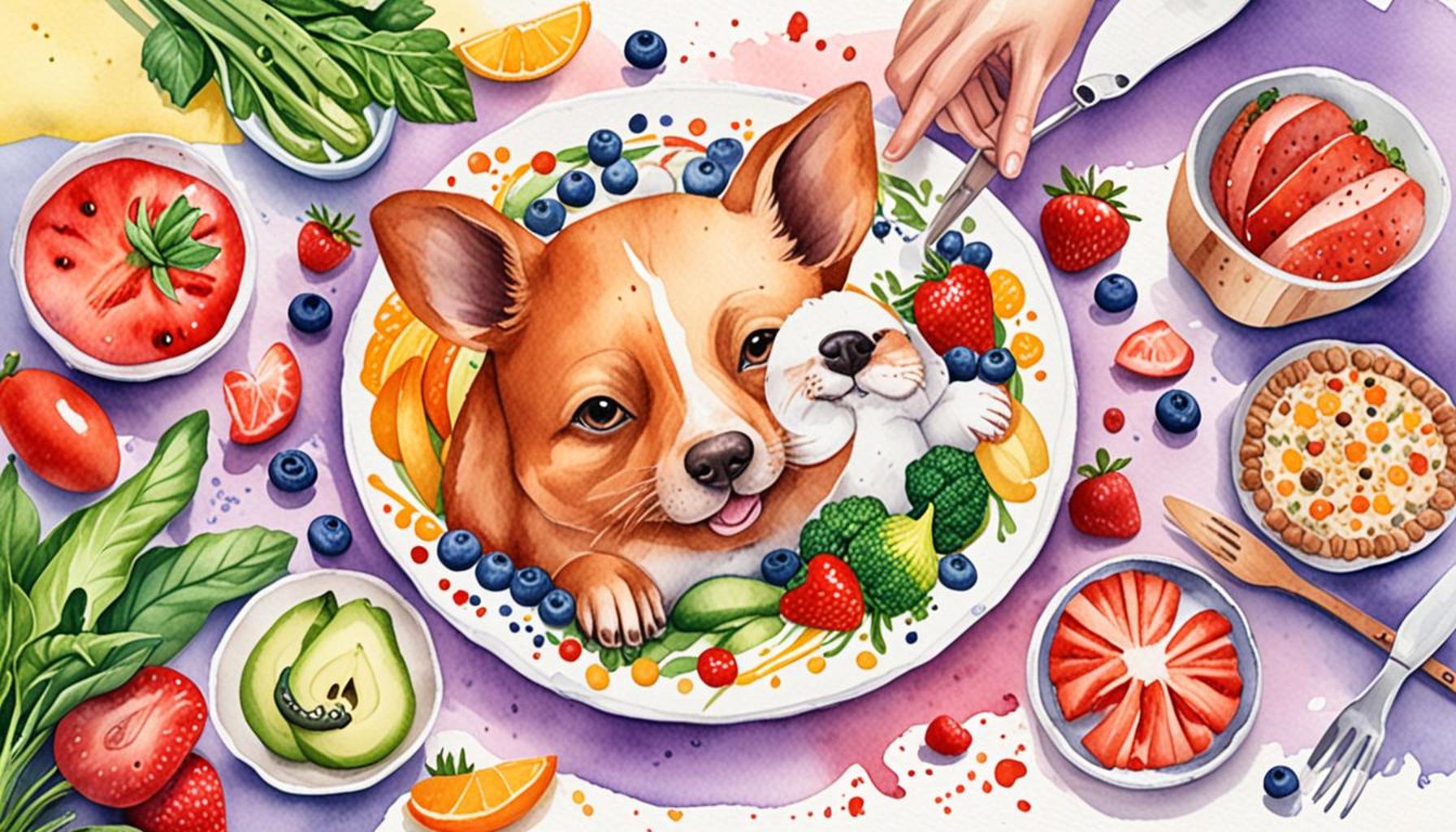
The Benefits of a Homemade Diet: What to Consider When Preparing Food for Your Pet
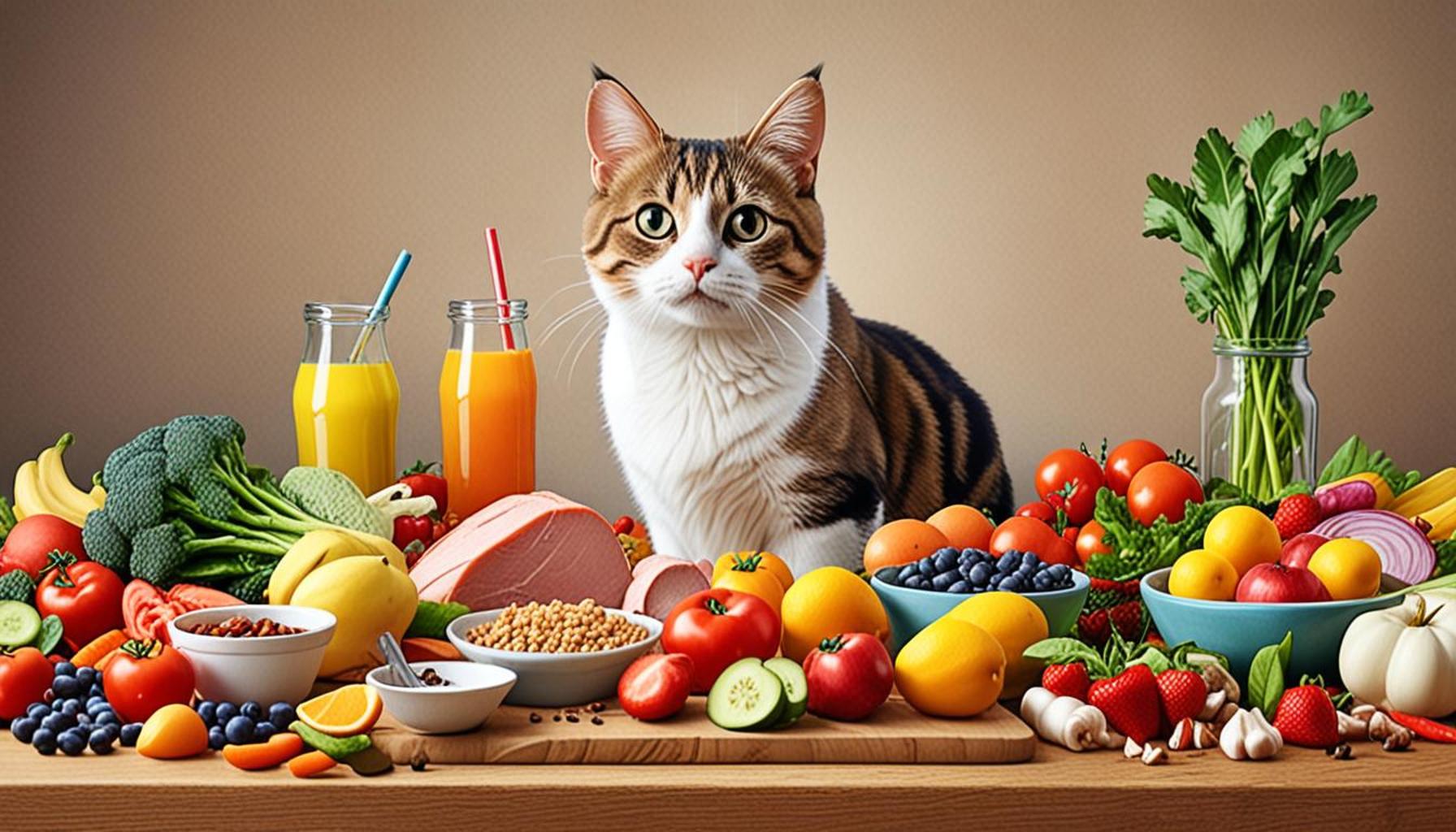
What to Consider for a Homemade Pet Diet
The movement towards feeding pets homemade diets has gained significant traction among pet owners. With rising concerns regarding the quality and safety of commercial pet foods, many individuals are choosing to take charge of their pets’ nutrition by preparing meals at home. This shift not only empowers pet owners to select natural and wholesome ingredients but also aligns with specific dietary needs and preferences unique to each pet.
One of the primary advantages of a homemade diet is quality control. When you prepare meals for your pet, you can ensure that only the freshest ingredients are used, free from preservatives, artificial flavors, and unspecified meat by-products commonly found in commercial diets. For example, using locally sourced proteins such as chicken, fish, or goat meat can enhance the nutritional profile of your pet’s meals, particularly in Nigeria where such ingredients are readily available.
Moreover, the custom nutrition aspect is crucial, as every pet has different health requirements. One pet may have sensitivities or allergies that require special dietary considerations, such as lower protein levels or increased fiber. In Nigeria, breeds like the Basenji may thrive on a diet rich in lean meats and vegetables, while larger breeds might require additional nutrients and energy to support their active lifestyles.
Managing allergies can also be a significant benefit of homemade diets. Pet owners can monitor and control what goes into their furry friends’ meals, effectively eliminating common allergens such as grains or certain proteins. By recognizing an allergy and adjusting the diet accordingly, pet owners can help alleviate symptoms and improve their pet’s quality of life.
Another often-overlooked benefit is the cost-effectiveness of homemade pet meals. While initial setup may involve purchasing a variety of ingredients, when managed wisely, a home-cooked diet can reduce overall food expenses. For instance, buying in bulk, especially during market days in Nigeria where prices may vary, allows pet owners to prepare larger meals that can be stored and served in portions, optimizing both budget and convenience.
However, transitioning to a homemade diet requires careful planning and consideration. It’s essential to understand your pet’s nutritional requirements based on factors such as breed, size, age, and health conditions. A balanced diet incorporates the right proportions of proteins, carbohydrates, and fats. For example, a balanced meal for a young, active dog might include lean meats paired with carbohydrate sources like sweet potatoes and a medley of vegetables such as carrots and spinach to provide essential vitamins and minerals.
In summary, while homemade diets can provide numerous benefits, pet owners must equip themselves with the necessary knowledge about their pets’ dietary needs. By educating themselves and utilizing local resources wisely, they can create nutritious, well-balanced meals that promote their pet’s overall health and well-being. As this culinary journey unfolds, each meal prepared can become an opportunity not just to nourish but to bond with their beloved animal companions.
Understanding Your Pet’s Nutritional Needs
As pet owners embark on the journey of crafting homemade meals for their beloved companions, they must first comprehend the intricacies of their pets’ nutritional needs. Each pet is an individual, requiring a tailored diet that accommodates their unique health concerns, lifestyle, and breed characteristics. The key to successful homemade pet nutrition lies in achieving a proper balance, ensuring that each meal meets their dietary requirements without overindulgence or deficiencies.
To guide pet owners on this culinary endeavor, it’s essential to focus on the basic components of a balanced diet, which include:
- Proteins: These are crucial for muscle development, energy production, and overall growth. Sourcing high-quality animal proteins such as goat meat or chicken can significantly enhance the nutritional value of home-cooked meals.
- Carbohydrates: Include sources like rice, yam, and sweet potatoes to provide energy. These elements aid in digestion and can help maintain a healthy weight when appropriately portioned.
- Fats: Healthy fats contribute to skin and coat health. Ingredients like fish oil or coconut oil can be beneficial for pets, especially those that battle dry skin or dull fur.
- Vitamins and Minerals: Supplementing meals with a variety of vegetables such as spinach, carrots, and pumpkin can provide essential nutrients that support immune function and overall health.
In Nigeria, where seasonal produce is abundant, pet owners can take advantage of local fruits and vegetables, enriching their pets’ diets with fresh, organic options. For instance, adding moringa leaves or local herbs not only enhances the flavor of meals but also boosts nutritional value.
Consulting with Experts
While the excitement of creating homemade pet meals is palpable, enlisting the guidance of a veterinarian or a pet nutritionist can be invaluable. They can assist in formulating a diet plan that meets an individual pet’s requirements, factoring in elements such as age, weight, and health issues, including diabetes or allergies. A professional assessment can also help identify appropriate food sources and ensure that meals are nutritionally balanced, minimizing the risk of malnutrition.
Moreover, some specific dog breeds may benefit from specialized diets. For example, a Basenji, native to Nigeria, has a unique metabolism and may thrive on protein-rich meals that cater to their active nature. Dog owners should take into account such breed-specific needs when preparing homemade diets.
By being proactive and informed, pet owners can leverage the benefits of homemade diets that not only support their pets’ physical health but also cater to their taste preferences and individual needs. Each meal becomes an opportunity to connect with one’s pet, enhancing both the culinary experience and the bond shared.
In conclusion, successfully managing a homemade pet diet requires diligence in understanding nutritional components and employing expert advice whenever necessary. As pet owners embrace this more hands-on approach to feeding, they not only ensure the health of their furry friends but also engage in a rewarding and interactive cooking experience.
The Benefits of a Homemade Diet: What to Consider When Preparing Food for Your Pet
When it comes to your pet’s nutrition, a homemade diet can offer several compelling advantages. Many pet owners are discovering that preparing their pet’s meals at home not only allows for higher quality ingredients but also promotes better overall health. As you dive deeper into this topic, it’s essential to consider various factors that come into play when crafting a balanced homemade diet for your furry friend.One of the most significant benefits is the ability to control ingredients. By preparing meals yourself, you can ensure that all components are fresh, organic, and free from harmful additives and preservatives. This level of control not only enhances the quality of the food but also provides security and peace of mind, as you know exactly what your pet is consuming. Additionally, a homemade diet can be tailored to meet your pet’s specific health needs. Whether your pet suffers from allergies, obesity, or other health concerns, you can adjust the ingredients to cater to their digestive and nutritional requirements. For example, substituting grains with vegetables for a grain-free diet can mitigate issues related to allergies or intolerances some pets might have. Moreover, making food at home can strengthen the bond between you and your pet. The time spent preparing meals can foster a deeper connection as you engage in the nurturing aspect of their well-being. This makes mealtime not just about nutrition, but about love and care, resulting in happier and more content pets.As you consider transitioning your pet to a homemade diet, it is crucial to educate yourself on the nutritional balance necessary for their specific species and breed. Researching various recipes and consulting with a veterinarian can ensure that you’re meeting all dietary needs to keep your pet thriving.For a more organized perspective on the advantages of a homemade diet, refer to the table below:
| Category 1 | Category 2 |
|---|---|
| Ingredient Control | Ensure quality by selecting fresh, organic components |
| Tailored Nutrition | Customize meals to address specific health issues |
| Strengthens Bond | Fosters connection through meal prep as an act of care |
As you explore the world of homemade meals for your pets, keep these benefits in mind. Not only can they lead to improved health and happiness for your furry companions, but they can also create a richer pet-owner relationship. Be sure to consult with veterinary professionals as you embark on this fulfilling journey of bonding and nutrition.
Tips for Preparing Safe and Healthy Meals
With a solid understanding of your pet’s nutritional needs, it’s time to delve into practical strategies for preparing safe and healthy meals. Crafting homemade pet food can be a rewarding part of pet ownership, but it also comes with its own set of responsibilities. Adhering to certain guidelines can make the process enjoyable while ensuring your pet receives the best possible nutrition.
Choosing Quality Ingredients
The foundation of any good homemade diet lies in the quality of its ingredients. Pet owners should aim to source fresh, organic produce and lean proteins. In Nigeria, local markets offer a bounty of options, from fresh catches of fish to farm-raised chicken. Additionally, exploring neighborhood markets for seasonal vegetables such as ugu leaves (pumpkin leaves) or pepper can enrich your pet’s meals, providing vital nutrients and flavors.
Another consideration is avoiding processed foods. Ingredients in packaged pet foods can contain preservatives and fillers that might not align with a wholesome homemade diet. Always check labels and prefer meats and grains that are free from additives. Furthermore, ensure your ingredients are free from mold, pesticides, and contaminants to guarantee your pet’s safety.
Portion Control and Meal Planning
Once the ingredients are selected, the next critical step is determining portion sizes. Overfeeding is a common mistake among pet owners, leading to obesity and associated health issues. Using a scale to measure meals can help create consistency, particularly for pets that require exact quantities for their size, age, and activity level. For example, the recommended daily caloric intake for an average dog may vary significantly depending on its breed; small breeds may thrive on as little as 200-300 calories while larger breeds could require upwards of 1,000 calories daily.
Meal planning is an effective way to streamline the cooking process. Preparing meals in batches can save time during the week. Store meals in portion sizes in airtight containers in the refrigerator or freezer, ensuring they maintain freshness and nutritional value. This approach not only supports a well-balanced routine for pets but also simplifies your weekly meal preparation.
Avoiding Toxic Foods
When preparing homemade meals, it is imperative to avoid ingredients that could be toxic to pets. Familiarize yourself with common foods that are unsafe, like onions, garlic, chocolate, and certain nuts. Ingesting these foods can lead to serious health problems and, in some cases, can be fatal. Some fruits like grapes and raisins are also hazardous for pets, so careful research into the foods you’re including in your pet’s meals is crucial.
Regularly Monitoring Health and Adjusting Diet
Once you start your pet on a homemade diet, it’s essential to regularly monitor their health and behavior. Keeping tabs on their energy levels, weight, and coat condition can provide valuable insights into how well the homemade diet is meeting their needs. This ongoing evaluation can help in making necessary adjustments, whether it’s incorporating new ingredients or shifting portion sizes.
As pets age or as their health conditions change, their dietary requirements may also evolve. Consulting with your veterinarian periodically ensures that your homemade meals continue to align with their health objectives. Every positive change and adjustment can drastically improve your pet’s overall well-being.
Conclusion
In summary, transitioning to a homemade diet offers numerous benefits for your pet, ensuring they receive wholesome, nutritious meals tailored to their specific needs. By prioritizing quality ingredients, you can significantly enhance your pet’s health while avoiding harmful additives commonly found in commercial pet foods. The emphasis on fresh produce, such as locally sourced ugu leaves, and lean proteins ensures a balanced diet that mirrors the natural dietary habits of various pets.
Moreover, practicing portion control and meticulous meal planning not only simplifies your weekly routines but also helps prevent obesity and related health complications. Remember, a proactive approach to monitoring your pet’s well-being allows you to adjust their diet as necessary, ensuring they always receive the right nourishment throughout different life stages and health changes.
As a responsible pet owner, understanding and avoiding toxic foods is critical in safeguarding your furry friend’s health. Therefore, constant education, research, and attention to their dietary needs are essential. Regular consultations with your veterinarian further assist in keeping your pet’s health on the right track.
Ultimately, embarking on the journey of a homemade diet is not just about feeding your pet; it’s about nurturing a vibrant, healthy lifestyle. By being mindful of these guidelines, you can significantly contribute to a happier, healthier companion who thrives on the love and care you provide. So gather your ingredients, prepare those delicious meals, and watch as your pet enjoys the fruits of your labor.