The Importance of Hydration in Pet Nutrition
Importance of Hydration for Pets
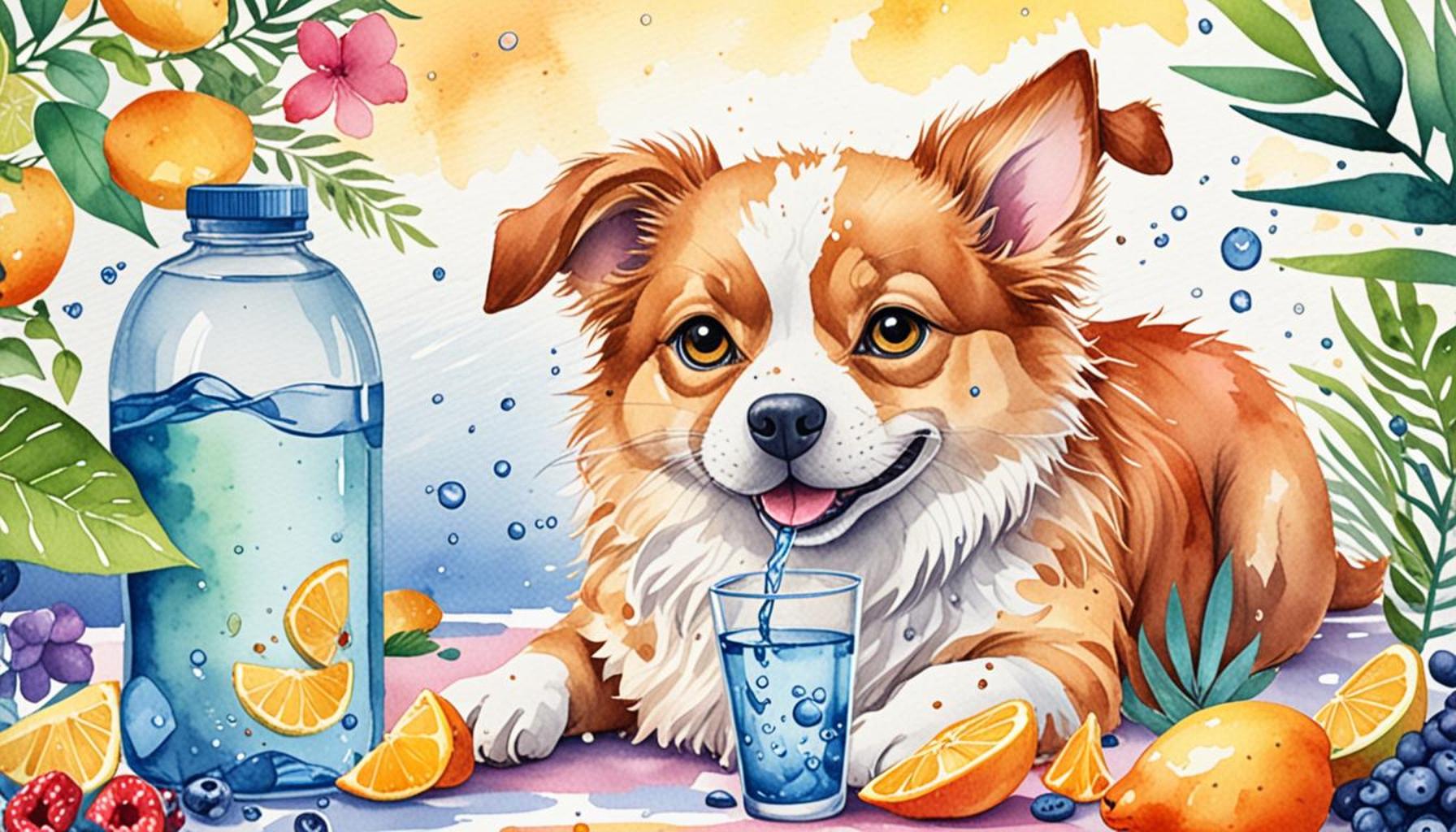
Water is often referred to as the essence of life, and this is just as true for our pets as it is for us. Without proper hydration, pets can suffer from serious health issues, making it crucial for pet owners to understand the importance of water in pet nutrition. In Nigeria, where temperatures can soar during the dry season, keeping our furry friends hydrated is not just advisable; it’s vital for their overall well-being.
Consider the following benefits of hydration for your pets:
- Regulates Body Temperature: Adequate water intake helps maintain a stable body temperature, especially in warm climates. Dogs and cats can easily become overheated, especially in the intense Nigerian sun, and maintaining proper hydration is essential to prevent heatstroke.
- Supports Digestion: Hydration plays a key role in the digestion and absorption of food, preventing constipation. For instance, dry kibble is common among pets, but without sufficient water intake, it can lead to digestive issues. It’s essential to ensure that pets have access to clean water, especially after consuming dry food.
- Detoxification: Water aids in flushing out toxins and maintaining kidney health. The kidneys play a crucial role in filtering waste from the bloodstream, and without adequate hydration, they can become overworked, leading to a range of health issues.
Unfortunately, many pet owners underestimate just how much water their pets require daily. Factors such as age, size, and activity level can all influence hydration needs. For example, a large breed dog will drink significantly more water than a small cat. Furthermore, active pets, such as those that participate in training or outdoor activities, will need more fluids to keep up with their energy expenditure.
In Nigeria, the diverse climate across different regions also plays a significant role in determining water needs. For instance, pets living in the hotter, drier northern parts of the country may require more frequent access to water compared to those in cooler coastal areas like Lagos.
Being aware of the signs of dehydration is vital for pet owners. Symptoms may include lethargy, dry gums, and excessive drooling. To combat this, pet owners should consider practical tips to ensure their pets are drinking enough water every day. Providing fresh, clean water at all times, incorporating wet food into their diet, or even adding water to their kibble can help boost their fluid intake.
In conclusion, understanding the significance of pet hydration is a vital aspect of responsible pet ownership. By recognizing their importance in nutrition, learning to identify signs of dehydration, and employing effective strategies to encourage water intake, we can help our pets lead healthier, happier lives. Ensuring that our beloved companions remain well-hydrated is an essential responsibility that all pet owners should not overlook.
Understanding Your Pet’s Hydration Needs
The role of water in pet nutrition cannot be overstated. It is not merely a beverage but a crucial component that influences every aspect of a pet’s health. Different pets have varying hydration needs based on several factors, and understanding these can significantly improve their quality of life. For instance, young, active animals generally require more water than their more sedentary counterparts. Additionally, the type of food your pet consumes plays a pivotal role in their hydration needs. Pets on a dry food diet will need to drink more water compared to those consuming wet food, which contains higher moisture content.
One often overlooked aspect of hydration is the seasonal variation in water requirements. During Nigeria’s hot months, pets may lose fluids more rapidly through panting and increased activity, necessitating greater water intake. On the other hand, the cooler, rainy season may see a slight decrease in their hydration needs. However, pet owners should remain vigilant throughout the year, as pets can become dehydrated quickly regardless of the temperature. Monitoring your pet’s water intake daily should become a routine practice.
- Age: Younger pets generally have higher energy needs, which translates into higher hydration requirements. Senior pets may require slightly less but may also be prone to conditions that increase their water needs.
- Size: Larger dogs naturally need more water compared to smaller cats or dogs. A good rule of thumb is that dogs should drink approximately one ounce of water per pound of body weight daily.
- Activity Level: Pets that engage in vigorous activities, such as playing outdoors or training, will need additional hydration. It’s essential to offer them water breaks during and after exercise.
- Diet: A diet rich in dry kibble demands more water intake. Conversely, wet food can help meet some of their hydration needs, reducing the volume of additional water required.
Moreover, pets often don’t drink enough water simply because they have either no access to fresh water or they don’t like the taste of what’s offered to them. This makes it crucial for pet owners to provide a consistent supply of clean, palatable water that is easily accessible. Some pets may enjoy drinking from fountains, while others may prefer traditional bowls. Experimenting with different styles may help encourage them to drink more.
Understanding the signs of dehydration in pets is also crucial. Symptoms can range from mild to severe, including dry mouth, lethargy, and loss of skin elasticity. For pets that experience extreme dehydration, it can become life-threatening, making early detection vital. Regular check-ups with a veterinarian can provide valuable insight into your pet’s hydration status and overall health.
By staying informed about the intricacies of hydration in pet nutrition, you are taking significant steps toward enriching your pet’s life and fostering a long-lasting, healthy relationship. Remember that ensuring proper hydration isn’t just an option—it’s an essential responsibility for every pet owner.
The Importance of Hydration in Pet Nutrition
Hydration is often overlooked when it comes to pet nutrition, yet it plays a pivotal role in the overall health and well-being of our furry companions. Just as humans require an adequate intake of fluids to function correctly, pets also rely on water to maintain various bodily functions. This section delves into some crucial aspects of hydration in pet nutrition that every pet owner should consider.
First and foremost, sufficient hydration aids in digestion. Water helps break down food, allowing pets to absorb nutrients effectively. Animals that don’t drink enough water may suffer from digestive issues, leading to discomfort or health problems that could otherwise be avoided. Furthermore, hydration is essential for regulating body temperature. Pets, especially those with thicker coats, can struggle with overheating. Keeping them well-hydrated helps manage their body temperature and enables them to cool down properly after physical activity.
Another critical factor is the prevention of kidney disease. Chronic dehydration can put a strain on the kidneys, making them work harder to filter waste from the bloodstream. Over time, this increased workload can lead to kidney dysfunction, a prevalent issue in older pets. Regular access to clean, fresh water can help mitigate this risk and encourage optimal kidney function.
Hydration also impacts the quality of life for pets. Dehydrated animals may exhibit lethargy, reduced appetite, and an overall disinterest in activities they once enjoyed. Ensuring your pet stays hydrated can lead to a more active lifestyle and improved emotional health.
Ultimately, understanding the importance of hydration and integrating it into your pet’s daily routine can vastly improve their health. In the next section, we will explore practical strategies for ensuring your pet gets enough water, including food choices and tips for encouraging hydration.
| Category | Details |
|---|---|
| Digestive Health | Adequate hydration aids in breaking down food and absorbing nutrients. |
| Kidney Function | Regular water intake reduces the risk of kidney disease by lessening kidney workload. |
| Body Temperature Regulation | Hydration helps in the regulation of body temperature, crucial during warm weather or after exercise. |
| Quality of Life | Staying hydrated helps keep your pet active and engaged. |
Encouraging Proper Hydration in Pets
While understanding your pet’s hydration needs is essential, actively promoting adequate water intake is equally vital. Simply providing water isn’t always sufficient; it’s important to ensure it meets your pet’s preferences. Research has shown that many pets are selective about their drinking habits, and the availability of clean, appealing water can drastically affect their overall hydration levels. According to various studies, many pets consume an average of 1 ounce of water for every pound they weigh, but the amount can fluctuate based on factors like temperature, diet, and activity levels. This indicates that pet owners should monitor their pets’ water consumption closely to assess their hydration status.
One practical method for encouraging hydration is to elevate the appeal of water sources. Owners can consider introducing flavored water, such as those made especially for pets, or adding a splash of low-sodium broth to their water to entice them to drink more. Pet fountains, which continually circulate water, can also attract pets who prefer fresh water over stagnant bowls. Ensuring that pets have access to water during their playtime outdoors, especially in Nigeria’s heat, is paramount. Carrying portable water bottles and collapsible bowls during walks or excursions can keep pets well-hydrated and safe during warmer months.
The Role of Hydration in Specific Medical Conditions
Beyond the general need for water, hydration becomes especially crucial for pets with certain medical conditions. For example, pets suffering from urinary tract infections, kidney diseases, or diabetes require increased hydration to aid in their recovery and overall well-being. Adequate fluid intake helps maintain normal kidney function, assists in flushing out toxins, and can alleviate constipation issues. Animal health experts often recommend a more structured approach to water intake for these pets, including frequent vet check-ups to ensure they remain adequately hydrated.
Moreover, hydration plays a vital role in the daily bodily functions of pets. When pets are well-hydrated, they tend to have healthier skin and coat condition, better digestion, and optimal organ function. It is worth noting some common myths surrounding hydration: for instance, many pet owners believe that pets can derive enough water from food alone. While wet food certainly contributes to hydration, relying solely on it can lead to under-hydration, particularly for pets eating primarily dry kibble. Therefore, supplementing their hydration must remain a priority.
Maintaining Hydration During Travel
Traveling with pets—whether for a short trip or a long journey—pose unique challenges concerning hydration. As pets might feel stressed or anxious when traveling, they can sometimes refuse to drink water, which exacerbates the risk of dehydration. To mitigate this, it’s advisable to take breaks during long drives, allowing pets to stretch and access clean water. Additionally, familiarizing pets with drinking from portable bowls at home can make them more comfortable with the setup once they are on the road.
As a pet owner in Nigeria, being proactive about your pet’s hydration is not just a duty; it is an essential practice that directly impacts their health and happiness. Whether through fresh water, dietary choices, or hydration strategies during activities, ensuring your pet stays adequately hydrated should be a top priority in their nutrition framework, reflecting your commitment to their well-being.
Conclusion: Prioritizing Hydration for Optimal Pet Health
In summary, hydration is a fundamental component of pet nutrition that extends far beyond simply providing a bowl of water. It plays a crucial role in numerous bodily functions, including digestion, kidney health, and the maintenance of vital organ systems. For pet owners in Nigeria, where the heat can be intense and outdoor activities are common, ensuring that pets have adequate water intake is even more essential. By understanding their unique hydration needs and preferences, from the specific amount they require to the types of water sources they prefer, pet owners can significantly enhance their pets’ health and well-being.
Furthermore, recognizing the increased hydration needs of pets with certain medical conditions underlines the importance of tailored hydration strategies. It also becomes evident that common misconceptions—such as the belief that pets can obtain sufficient hydration solely through their diet—can lead to serious health implications if not addressed. A proactive approach to hydration, including flavored water options and easy access during travel, underscores a pet owner’s commitment to their fur friend’s happiness and health.
Ultimately, hydration truly is the essence of pet wellness. By prioritizing hydration in their nutrition plans, pet owners not only enhance their animals’ quality of life, but also forge a stronger bond through attentive care. As you reflect on your pet’s dietary needs, let hydration be a guiding principle that leads you to a healthier, more vibrant companion.