The Importance of Hygiene in Maintaining the Health of Pets
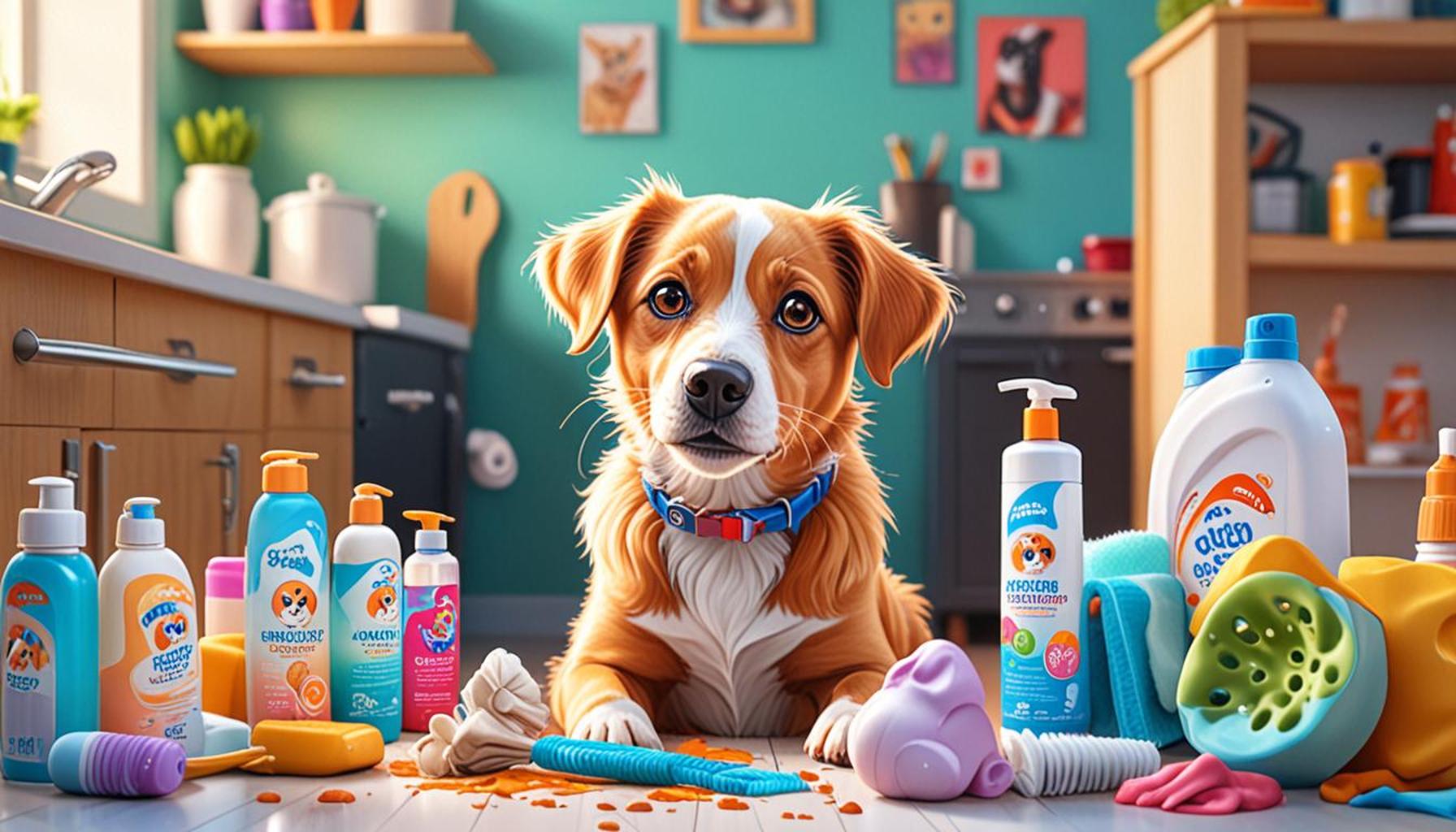
The Critical Link Between Pet Hygiene and Health
The health of your pet is intrinsically tied to their hygiene practices. Regular grooming and cleanliness not only keep your furry friend looking good but also play a crucial role in preventing diseases. With a growing number of pet owners in Nigeria, understanding the significance of hygiene has never been more vital.
- Prevention of Illness: Poor hygiene can lead to common health issues such as skin infections, parasites, and dental diseases. Regular grooming sessions can help identify issues like lumps, bumps, or skin irritations. For instance, Brucella canis, a bacterial infection that affects dogs, can be prevented by maintaining proper cleanliness. If neglected, such issues may escalate, leading to costly veterinary bills and stress.
- Enhanced Comfort: A clean pet is a happy pet; proper grooming minimizes discomfort and stress. Regular brushing can prevent matting in long-haired breeds and reduce excessive shedding. This is particularly important in the Nigerian climate, where heat can cause discomfort. A well-groomed pet is more likely to be active and energetic.
- Reduction of Allergens: Regular cleaning helps reduce allergens in your home, benefiting both pets and family members. Pet dander can trigger allergies and asthma symptoms, especially in sensitive individuals. Consistent bathing and vacuuming can keep these allergens to a minimum, creating a healthier home environment.
Many pet owners might overlook basic hygiene practices, thinking they are unnecessary. However, small routines can make a significant difference, ensuring your pet’s well-being. For instance, regular baths using vet-recommended shampoos, ear cleaning with appropriate solutions, and nail trimming are essential for all types of pets. A routine bath every month or more frequently for certain breeds is advisable, especially in humid regions that can exacerbate skin irritations.
In Nigeria, where many households are adopting pets, understanding local environmental challenges is also important. For example, the high humidity can promote fungal infections such as ringworm if not addressed. Parasites like ticks and fleas thrive in warm climates, making regular checks and preventative treatments crucial. Neglecting these issues can lead to more severe health complications, underscoring why prioritizing hygiene is a key trend among responsible pet owners.
In this article, we will explore practical tips on maintaining pet hygiene, including how often to groom specific breeds, the importance of dental care, and the right products to use in a tropical environment. By adopting these practices, pet owners can ensure their companions lead healthy, happy lives. Stay tuned to learn more about making your pet’s health and cleanliness a top priority in a rapidly evolving pet culture.
Essential Grooming Routines for Optimal Pet Health
When it comes to pet hygiene, consistency is key. Routine grooming practices go beyond mere aesthetics; they serve as a foundation for the overall health and wellness of your pets. In Nigeria, where environmental factors can challenge our pets’ health, understanding these essential grooming routines can prevent potential health issues down the line.
Different breeds have varying requirements, and pet owners must tailor grooming habits to suit their pets’ needs. Here are some critical grooming practices that significantly enhance pet hygiene:
- Regular Bathing: Bathing your pet is integral to their hygiene regimen. Depending on the breed and activity level, pets may require bathing every few weeks or even weekly. Using vet-approved shampoos designed for specific skin types can help manage skin conditions that are common in Nigerian climates, such as rashes caused by humidity.
- Combing and Brushing: Long-haired breeds can quickly develop tangles and mats, which can foster dirt accumulation and skin infections. Regular brushing helps detangle fur and remove loose hairs, reducing the risk of skin ailments. For short-haired breeds, a weekly brush can help distribute natural oils and keep their coat shiny and healthy.
- Nail Trimming: Overgrown nails can lead to discomfort and mobility issues. Regular trimming ensures that your pet can walk without pain. This is especially vital for dogs, as nails that aren’t kept at an appropriate length can break or split, leading to further complications.
- Ear Cleaning: Pet ears can harbor excess wax and moisture, leading to infections. Cleaning your pet’s ears with veterinarian-recommended solutions can help prevent ear infections sourced from bacteria or yeast, common in Nigeria’s warm, humid environment.
In addition to these washing and grooming methods, maintaining oral hygiene cannot be overlooked. Dental health is often an afterthought for many pet owners, yet poor dental practices can lead to serious health issues. Regular teeth cleaning, either through brushing, dental wipes, or chewable dental health products, can prevent bad breath, gum disease, and tooth decay.
The psychological benefits of grooming cannot be overstated either. Engaging in regular grooming sessions fosters a bond between owner and pet, promoting a sense of security and well-being. Pets that are accustomed to grooming from an early age are less likely to experience stress during vet visits or when introduced to new situations.
As we delve deeper into the specifics of maintaining the hygiene of various pet types, it’s essential to appreciate that cleanliness extends beyond physical appearance. A focus on hygiene proactively addresses potential health risks while enhancing your pet’s quality of life. By implementing these practices, you are not only contributing to their health but also reinforcing the positive and loving relationship you share with your furry family members.
| Hygiene Practices | Health Benefits |
|---|---|
| Regular Bathing | Reduces skin infections and promotes healthy fur |
| Dental Care | Prevents gum disease and maintains overall health |
| Regular Grooming | Minimizes shedding and avoids matting, enhances comfort |
| Parasite Control | Reduces risk of diseases transmitted by fleas and ticks |
Maintaining a proper hygiene routine for your pets is not just about aesthetics; it is crucial for their well-being. Regular bathing can drastically reduce skin irritations and infections, keeping your furry friends comfortable and healthy. Additionally, dental care is essential—neglecting your pet’s oral hygiene can lead to gum disease, which is often linked to more severe health issues. Grooming goes beyond just trimming fur; it’s an excellent opportunity to check for any unusual lumps or skin issues. Integrating parasite control into hygiene practices prevents diseases that may arise from fleas and ticks, maintaining not only individual pet health but also community health by limiting the spread of pests. The more you prioritize these hygiene practices, the healthier and happier your pets will be, enabling a joyful life together.
Preventive Health Measures Through Hygiene
Maintaining a rigorous hygiene routine for pets is not solely confined to grooming; it encompasses all aspects of their care that contribute to their overall health. In Nigeria, where certain parasites and infectious diseases are prevalent, prioritizing hygiene can safeguard your pet against potential health threats while also influencing their lifespan and quality of life.
Parasite Prevention is one of the critical aspects that pet owners must consider. Ticks, fleas, and worms can pose significant health risks to pets, leading to discomfort, allergic reactions, and severe health issues if left untreated. Regularly administering veterinarian-recommended preventive treatments will help mitigate these risks. For instance, in the humid regions of Nigeria, where flea and tick infestations are common, using topical treatments or collars can effectively keep these parasites at bay.
Moreover, pet bedding and linens should be washed frequently to eliminate any potential breeding grounds for parasites. It’s advisable to clean your pet’s sleeping area with hot water regularly and consider using insect repellents that are safe for household use. A clean sleeping environment not only helps keep your pets comfortable but also minimizes the likelihood of infestations.
Vaccination and Regular Vet Visits
Another crucial component of pet hygiene involves vaccination and routine veterinary check-ups. Keeping your pet’s vaccinations up to date is paramount in preventing diseases like rabies, parvovirus, and distemper, which can be debilitating or even fatal. In Nigeria, where certain diseases are more rampant, such as leptospirosis, early vaccination can be a life-saving measure.
Regular veterinary visits also enable early detection of any health issues. During these check-ups, veterinarians often conduct thorough health screenings, including dental exams, skin checks, and blood tests, which can reveal underlying conditions that may not be immediately apparent to pet owners. Additionally, many veterinary practices, especially in urban areas, offer health packages that bundle vaccinations and preventive care, making extensive health management more accessible and affordable.
The Impact of Nutrition on Hygiene
Nutrition plays a pivotal role in maintaining your pet’s hygiene and overall health. Providing balanced, high-quality food helps strengthen the immune system, promoting better hygiene from the inside out. It’s crucial to choose a diet that meets the specific nutritional needs of your pet’s breed, age, and lifestyle. For example, while some pets thrive on grain-free diets, others may require specific dietary fibers to maintain their digestive health.
In Nigeria, where dietary options may vary, pet owners should be diligent in selecting reputable brands that ensure they’re providing their pets with all necessary nutrients. Additionally, regular feeding schedules can play a role in establishing predictable elimination habits, further underscoring the importance of cleanliness in your living space.
Finally, it’s worth mentioning the significance of mental stimulation as part of your pet’s hygiene routine. Engaging pets in interactive play and providing a clean, enriched environment to explore can significantly contribute to their emotional health. Stress-free pets are less prone to behavioral issues and are generally healthier overall, underscoring the interconnectedness of hygiene and well-being.
As pet owners in Nigeria prioritize hygiene, it’s essential to recognize its multifaceted nature. By implementing comprehensive hygiene practices, you are giving your pets the best chance for a long, healthy, and happy life. This holistic approach emphasizes grooming, preventive health, nutrition, and mental health, creating a solid foundation for your beloved companion’s overall wellness.
Conclusion: A Path to Healthier Pets
In conclusion, the importance of hygiene in maintaining the health of pets cannot be overstated. By adhering to a comprehensive hygiene regimen, pet owners in Nigeria can significantly enhance their pets’ overall well-being. From regular grooming sessions that prevent skin irritations to stringent parasite control that curbs infestations, every aspect plays a pivotal role in ensuring that our furry companions live happy and healthy lives.
Moreover, the significance of timely vaccinations and routine veterinary check-ups serves as a crucial line of defense against prevalent diseases in the region. Understanding the correlation between nutrition and hygiene is equally vital; providing a balanced diet not only supports your pet’s immune system but also aids in maintaining a clean living environment, thus reinforcing the intricate link between diet and cleanliness.
Importantly, investing in your pet’s mental health through regular play and clean, engaging spaces fosters a happier, more relaxed pet. The cycle of hygiene, health, and happiness is continuous, and every pet owner should recognize their role in this equation. As you implement these essential caring practices, remember that your commitment to hygiene will pay dividends in the form of a stronger bond with your beloved pet and a more fulfilling life together.
In the end, establishing hygiene as a priority in your pet care routine not only protects your furry friends but also contributes to a healthier community, free from the threat of zoonotic diseases and parasitic infestations. By taking charge of your pet’s hygiene today, you are investing in their future – a future filled with vitality, joy, and companionship.