The Importance of Positive Training for Dogs: Techniques and Benefits

Understanding Positive Dog Training
Modern dog training is evolving, shifting away from traditional methods that often relied on punishment and fear. Positive dog training emerges as a method rooted in science and empathy, championing a philosophy where the emphasis is placed on rewarding desirable behaviors rather than punishing the undesirable ones. This positive approach not only transforms the training experience but also strengthens the relationship between a dog and its owner, creating a bond filled with trust, joy, and mutual respect.
Key Techniques in Positive Training
- Clicker Training: This innovative training technique uses a small device that emits a distinctive click sound to mark the exact moment a dog performs the desired behavior correctly. Following the click, the dog is rewarded with a treat or praise, reinforcing that action in their mind. For example, when teaching a dog to sit, a trainer clicks the moment the dog’s bottom touches the ground and then provides a treat. This precise timing is crucial for effective communication, leading to quicker learning.
- Reward-Based Training: In this approach, rewards can be varied, including treats, verbal praise, or even energetic playtime. For instance, when a dog comes when called, the owner might offer a tasty treat and affectionate praise, positively reinforcing the act of returning. This method encourages dogs to engage willingly, as they learn that good behavior leads to enjoyable outcomes.
- Socialization: Proper socialization is vital, especially for dogs in urban environments. Introducing dogs to diverse settings, people, and other dogs is essential in building their confidence. For example, a well-socialized dog is more likely to handle the chaos of a bustling market or a family gathering without feeling anxious or aggressive. This comprehensive exposure helps minimize fear-based reactions, making social outings safer and more enjoyable.
These techniques not only enhance a dog’s learning experience but also provide vital mental stimulation, which plays a key role in their overall well-being. Dogs trained with positive methods often exhibit improved obedience and are less likely to develop behavioral issues. Moreover, research suggests that dogs trained with positive reinforcement exhibit a greater willingness to please their owners, facilitating a harmonious living environment.
Benefits of Positive Training
- Strengthened Bond: This approach facilitates trust-building between the dog and owner, fostering a deeper emotional connection. Owners often find that their dogs become more emotionally attuned and responsive, enriching the human-animal bond.
- Improved Behavior: Positive training effectively reduces aggressive behaviors and fear responses, which are particularly beneficial in bustling cities like Lagos or Abuja, where encounters with people and other animals are frequent. Well-trained dogs tend to navigate these situations gracefully.
- Enhanced Learning: Canines trained through positive reinforcement tend to learn faster and retain commands longer. The engaging nature of reward-based training encourages dogs to remain eager learners, which can lead to more advanced training in the future, such as agility or obedience competitions.
In Nigeria, the movement towards positive dog training is gaining momentum, with more dog owners recognizing its myriad benefits. As communities become more pet-friendly, this approach helps facilitate the coexistence of well-mannered dogs in urban settings, minimizing conflicts and promoting a culture of responsibility and care among dog owners. Such training not only benefits individual pet owners but also contributes to safer and happier neighborhoods, where dogs and people can thrive together, truly embodying the spirit of companionship.
Techniques That Make a Difference
The foundation of positive dog training rests on a variety of practical and effective techniques that encourage communication and learning between the dog and its owner. In Nigeria, where cultural attitudes towards pets are evolving, implementing these methods can significantly enhance a dog’s behavior while fostering a deeper connection with their human companions. Let’s explore some key techniques that define this positive training approach.
Effective Communication Tools
- Clicker Training: This method involves a simple handheld device that produces a clicking sound when pressed. The sound serves as an immediate cue that rewards the dog for the desired behavior. For instance, when a dog is taught to stay, the click occurs right as the dog maintains its position, immediately followed by a treat. This instant feedback helps dogs understand their actions better, making them more receptive to learning in diverse environments, such as bustling local markets in Lagos.
- Lure and Reward: By using a treat to guide a dog into a desired position—like luring them into a sit or down position—owners can teach commands efficiently. This technique not only delivers excellent results but also makes the learning process enjoyable for the dog. For example, in an outdoor setting, an owner might have their dog follow a treat downwards from a standing position to a sitting one, reinforcing the behavior with both praise and a reward.
- Positive Reinforcement: This approach acknowledges that dogs respond significantly better to positive reinforcement than to corrections or punitive measures. When a dog engages in pleasing behavior, such as greeting guests gently rather than barking, the owner rewards them with treats or enthusiastic praise. This encourages repeated good behaviors, contributing to a more peaceful home environment, where guests feel welcome and safe.
Integrating these techniques into daily routines not only provides mental stimulation for dogs but also empowers owners. The relationship built through positive interactions can reduce anxiety in pets while fostering obedience. Training sessions can become an anticipated part of the dog’s day, reducing boredom and associated behavioral problems.
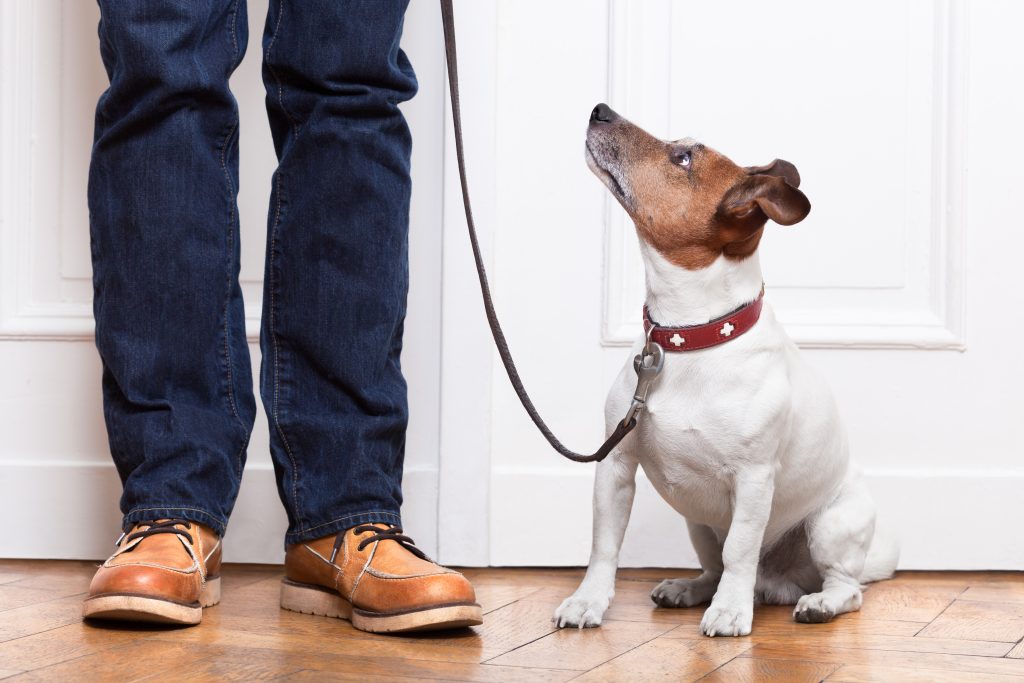
Why Positive Training Matters
Upon understanding the essential techniques, it becomes clear that the implications of positive training extend beyond the owner-dog dynamic. For many pet owners in Nigeria, adopting a positive approach results in dogs with improved manners. In urban settings, well-trained dogs exhibit enhanced social behaviors that allow for safer interactions during walks, market visits, or community events. Furthermore, these methods play a crucial role in decreasing incidents of aggression, as dogs learn to navigate new experiences without resorting to fear-based responses.
- Community Impact: As more dog owners embrace positive training, communities are seeing fewer instances of problematic behavior in dogs. This benefits not only dog owners but also non-pet owners, as well-trained pets contribute to a harmonious environment.
- Future Opportunities: Dogs trained positively often excel in advanced training scenarios, making them suitable candidates for various activities, from dog sports to therapy work, expanding their capabilities and enhancing their quality of life.
In light of these advantages, the push for positive dog training in Nigeria is more than a trend; it is a movement towards creating responsible pet ownership while ensuring that pets thrive alongside their human counterparts in shared spaces.
| Advantages | Description |
|---|---|
| Enhanced Bonding | Positive reinforcement techniques foster a stronger emotional connection between the dog and the owner, enhancing trust and communication. |
| Improved Behavior | Utilizing rewards for good behavior helps dogs learn more quickly and reduces the likelihood of negative behaviors developing. |
| Stress Reduction | Positive training methods create a less stressful environment for dogs, making them more open to learning and less fearful of failure. |
| Long-term Success | Dogs trained through positive reinforcement not only learn commands, but also exhibit lifelong good behaviors, contributing to better interactions with people and other pets. |
The world of dog training is evolving, with a growing emphasis placed on positive reinforcement techniques. Such methods prioritize reward-based training, where dogs are encouraged to exhibit desirable behaviors through praise, treats, or play. This approach not only promotes a happier learning environment but is also proven to be more effective than traditional punitive methods.A study conducted by animal behaviorists indicated that dogs respond better and learn faster when they are motivated through rewards rather than fear. Moreover, this fosters a relationship built on trust, where the dog feels secure and confident in their owner’s guidance. By exploring these positive techniques, dog owners can unlock not just improved obedience, but a deeper, more cherished bond with their furry friends, leading to mutual happiness and understanding. The benefits extend beyond immediate training outcomes, as owners and dogs alike experience enhanced emotional well-being in the long run.
Building Bonds Through Positive Training
The significance of positive training transcends simple obedience; it is about establishing strong bonds that enrich the relationship between a dog and its owner. In Nigeria, where family and community dynamics are essential, enhancing the emotional connection with pets can lead to a more fulfilled and cooperative household. Understanding the psychological benefits of positive reinforcement can inspire dog owners to foster a more enriching environment for both themselves and their furry companions.
The Psychological Perspective
Positive training addresses not only a dog’s behavior but also its emotional well-being. Dogs trained using positive methods tend to experience lower stress levels and increased confidence. These outcomes can lead to healthier pets, as anxiety often manifests in physical symptoms or destructive behaviors. The simple act of engaging in a training session and receiving praise or treats can boost the dog’s self-esteem, making them feel secure and valued. This psychological enrichment is particularly vital for dogs in urban settings, where they may face various stressors, from crowded streets to unfamiliar sounds.
The Role of Consistency
Consistency is crucial in the realm of positive training. In Nigeria, where communities can be vibrant and filled with distractions, dog owners should aim to maintain consistent commands, rewards, and training schedules. A study conducted by the American Society for the Prevention of Cruelty to Animals (ASPCA) reveals that dogs thrive with clear communication and repetition. By implementing a stable routine that includes structured training sessions in different environments—like between busy marketplaces or quiet neighborhoods—owners can help their dogs adapt and respond better in varying situations.
Community Engagement: Involving the community in the training process can also enhance the experience. Organizing or participating in local training groups not only provides opportunities for socialization but also fosters a sense of belonging for both dogs and owners. These gatherings can serve as platforms for exchanging tips, success stories, and challenges faced, creating an active dialogue around the benefits of positive training approaches.
The Ripple Effect of Positive Training
The impact of positive training can create a ripple effect throughout society. As more dog owners adopt these techniques, communities become more pet-friendly and accommodating. Events centered around dog training and socialization can enhance local relationships, leading to a supportive network of pet owners actively engaged in the training process. By fostering this environment, dog owners contribute to the overall improvement of public perception toward pets. Well-behaved dogs exemplify the responsibility of their owners, which can, in turn, inspire others to follow suit.
- Educational Opportunities: There are multiple platforms to learn and discuss these training methods. Workshops and seminars, both virtual and in-person, can be organized to educate dog owners on the importance of positive training. Local trainers can also offer guidance tailored specifically to Nigerian pet owners, reflecting cultural nuances that may affect training styles.
- Advocacy for Animal Welfare: Positive training plays a vital role in promoting animal welfare. When dogs are trained humanely, it leads to a reduction in abandonment and shelter intake numbers. This aligns with increasing public awareness campaigns aimed at responsible pet ownership, allowing for shared spaces where humans and pets coexist harmoniously.
Overall, the integration of positive training techniques into daily life not only benefits dogs but also uplifts the community, enhancing relationships among neighbors and facilitating a collective appreciation for responsible pet ownership.
Conclusion: Embracing Positive Training for a Harmonious Future
As we delve into the intricacies of positive training for dogs, it becomes increasingly clear that its importance extends beyond mere obedience. It lays the groundwork for nurturing trust, respect, and companionship, essential elements in the relationship between pet and owner. For communities in Nigeria, where cultural values emphasize unity and family, the adoption of positive training techniques can foster not only happier dogs but also deeper social bonds within neighborhoods.
Understanding the physiological and emotional benefits associated with positive reinforcement reveals a pathway to healthier and more confident pets. By utilizing methods that prioritize rewards and encouragement, dog owners pave the way for a more harmonious living environment, where both humans and pets thrive. The essence of this approach is encapsulated in the idea that, when we nurture our dogs through understanding and patience, we cultivate a community that is respectful toward animals, thus enhancing public perceptions of pet ownership.
Furthermore, the collaborative spirit fostered through community engagement in training, whether through local workshops or informal gatherings, broadens the scope of positive training’s impact. It creates a ripple effect, inspiring responsible ownership practices and promoting animal welfare, which is vital in combating issues such as abandonment and neglect. Thus, the question remains: will you take the first step toward understanding the transformative power of positive training for dogs? By implementing these techniques, you not only enrich your dog’s life but also contribute to a more compassionate and supportive community.