Tips for Integrating Your Adopted Pet with Other Animals in the House
The Joy and Challenges of Adopting a New Pet
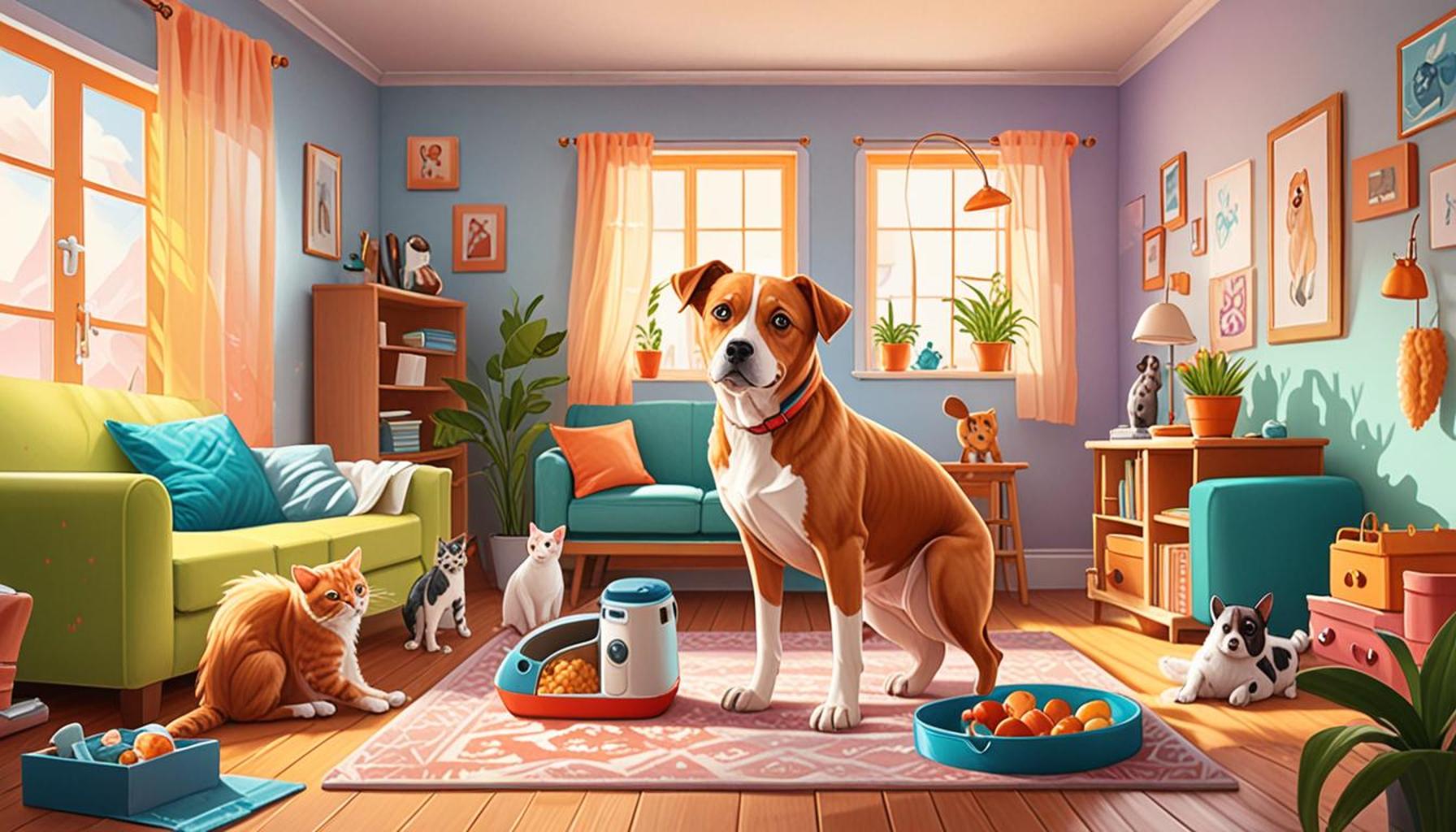
Welcoming an adopted pet into your home can be a heartwarming experience, filled with joy and anticipation. However, integrating this new furry friend with your existing animals requires thoughtful planning and consideration. A smooth transition is vital, not only for the happiness of your new pet but also for the well-being of your current companions.
Understanding Your Animals
Each animal has a unique temperament, which influences how they interact with other pets. Before introducing your adopted pet, it’s essential to assess the temperament of each animal. For instance, some pets are more territorial, while others exhibit friendly or anxious behaviors. Understanding these traits ensures you can anticipate potential issues and create a suitable environment for all.
Gradual Introductions
It’s best to introduce your pets gradually and in a safe environment to minimize stress and potential conflict. Start by allowing them to smell each other’s bedding or toys without face-to-face contact. Once they seem comfortable with the scent, you can progress to short, supervised meetings. Keep these initial interactions brief to prevent overwhelming them.
Providing Separate Spaces
Initially, it’s crucial to provide separate spaces for each pet. Designate areas for eating, sleeping, and playing. This separation allows them to acclimate to the idea of sharing their territory without feeling threatened. Over time, as they become more accustomed to one another, you can start allowing them to share common spaces.
Monitoring Interactions
As the integration progresses, closely monitor body language for signs of stress. Look for behaviors such as raised fur, growling, or excessive tail wagging. These can indicate that one or both animals are uncomfortable. If you notice these signs, it’s essential to take a step back and allow them more time apart.
Encouraging Positive Interactions
Encouraging positive interactions can make a significant difference in the adjustment period. Offer treats and praise when they display calm behavior around each other. This reinforcement can help them associate each other with positive experiences. For example, if your current dog is relaxed in the presence of the new cat, reward this behavior to strengthen that connection.
Patience is Key
Lastly, be patient. It may take time for everyone to adjust. Each animal has its own timeline for comfort and acceptance. In Nigeria, where the culture of pet ownership is evolving, adopting from shelters is becoming more popular. With this change comes the responsibility of ensuring that all pets feel safe and loved in their new environment.
Implementing these strategies can lead to a harmonious household where each animal – new and old – can thrive together. As you embark on this integration journey, remember that patience, love, and understanding play crucial roles in creating an environment where all members of your family, both human and furry, can coexist peacefully. Join us as we delve deeper into the art of integrating your adopted pet into your family, ensuring a comfortable coexistence for all.
Strategies for a Successful Integration
When it comes to integrating your adopted pet with other animals in the house, employing strategic methods can pave the way for smoother interactions. Understanding the dynamics of your home and being aware of the needs of all animals involved is crucial. Here are some effective strategies to ensure a positive experience during the integration process.
Establish a Routine
One of the most effective ways to provide stability for your pets is by establishing a consistent routine. Animals thrive on predictability, and a daily schedule can help ease anxiety. Consider aligning feeding times, exercise routines, and play sessions for all your pets. This synchronization not only fosters a sense of community but also reduces competition among pets for your attention.
Utilizing Scent Exchange
Before any face-to-face meeting, consider the method of scent exchange. This involves swapping bedding or toys between your new and existing pets to acclimate them to each other’s scent. By allowing them to investigate the scent of the other animal, you can help ease the introduction. This approach is particularly beneficial in Nigeria, where many households may have multiple pets and the introduction process can become complicated due to territorial behaviors.
Creating Safe Zones
Designating safe zones for each pet provides them with a personal haven. This could be a separate room or a specific area where they can retreat if they feel overwhelmed. Ensure that these spaces are equipped with their food, water, and favorite toys. Over time, as they grow more comfortable with each other, these boundaries can be gradually relaxed.
Observe and Adapt
Pay close attention to the reactions of all pets during introductions. Here are a few signs to watch for:
- Relaxed body posture: Indicates ease and comfort.
- Avoidance behaviors: Such as hiding or turning away, suggest stress.
- Play bows or gentle vocalizations: These can signal readiness for interaction.
It’s essential to adapt your approach based on these observations. If one pet appears agitated, take a step back and reinstate separation until they are ready to move forward. Sometimes, a simple gesture like offering a toy during their interactions can alleviate tensions.
Encouraging Shared Activities
As your pets become more comfortable with one another, incorporate shared activities that promote bonding. Activities such as synchronized playtime or group walks can break barriers and encourage positive associations. Look for games that can engage all animals, fostering a sense of teamwork and camaraderie.
By understanding your animals, employing these techniques, and patiently observing their interactions, you can create a welcoming environment for your newly adopted pet. Integrating your adopted furry friend into your household is an enriching experience that requires effort but ultimately can lead to a joyful and harmonious pet family.
| Integration Strategies | Benefits |
|---|---|
| Gradual Introductions | Reduces stress and promotes a positive environment for all pets. |
| Supervised Interactions | Ensures safety and helps monitor behavioral responses while fostering trust among pets. |
| Separate Spaces | Gives each pet their own safe haven to retreat to, reducing anxiety and conflict. |
| Positive Reinforcement | Encourages desired behaviors, creating a cooperative atmosphere and strengthening bonds. |
Integrating an adopted pet with existing animals in the house can be a delicate task, yet it is essential for ensuring a harmonious environment. Each of these strategies is designed to address the specific needs and characteristics of both your newly adopted pet and your current residents. For instance, gradual introductions minimize overwhelming sensations for all animals involved, paving the way for easier adjustments. Establishing supervised interactions not only ensures safety but also lets you gauge how each animal responds, thus facilitating early interventions if tensions arise.Having separate spaces readily set up for each pet allows them to relax and acclimate to one another at their own pace. Furthermore, implementing positive reinforcement through treats and encouragement can solidify bonds, helping your pets build trust and companionship over time. By considering these methods, you can set the stage for a successful and enjoyable integration process.
Managing Introductions with Patience
Integrating your adopted pet into a home with other animals requires a blend of patience and strategic planning. The initial introductions can set the stage for future interactions, making it essential to foster a positive first encounter. Timing, environment, and the behavior of both the new and existing pets play critical roles in this process.
Choose the Right Environment
When initiating introductions, select a neutral space where neither pet feels territorial. This could be a local park for outdoor animals or a calm room in the house where neither pet has established dominance. Take care to minimize distractions and make the space comfortable for both. You can consider pairing interactions with a gentle backdrop of soothing music to create a more relaxed atmosphere. In Nigeria, ensuring the environment is calm can be complemented by practicing this in natural spots near your home, like a backyard without nearby distractions.
Using Leashes or Crates
For safety during the initial meetings, utilizing leashes or crates can be beneficial. This allows you to maintain control while your pets explore their interaction cautiously. Ensure that the leading pet is calm and secure, which not only prevents initial skirmishes but also helps the other pet feel safe. During these sessions, aim to have treats or toys on hand to reward positive behaviors, reinforcing the idea that good things happen when they are together.
Gradual Desensitization
Animals may exhibit fear or anxiety at the presence of a new pet. To alleviate this, consider a technique known as gradual desensitization. Begin by allowing the pets to observe each other from a distance, involving brief encounters that can be gradually extended over time. During sessions, stay vigilant for signs of stress, and if necessary, provide breaks to help ease tension. This process can be especially helpful in a bustling Nigerian household, where abrupt introductions can lead to chaos among multiple animals.
Monitoring Behavior Post-Introduction
Once the initial introductions have been made, the next phase involves careful monitoring of interactions in the following days and weeks. Look for signs of progress, such as the pets sharing space without aggressive posturing or engaging in friendly play. However, be prepared for occasional setbacks, as conflicts can arise even after seemingly successful introductions. Understanding this dynamic allows you to anticipate behaviors and respond appropriately. For instance, in a country like Nigeria, it might be common for animals to have territorial instincts reinforced by the local environment, making vigilance necessary.
Incorporating Positive Reinforcement
Utilizing positive reinforcement is paramount when encouraging good behaviors among pets. Always reward them with treats, praise, or affection when they exhibit friendly behavior or coexist peacefully. These reinforcements are not just immediate; they contribute to long-term behavioral conditioning that promotes harmony in the household. This strategy creates an environment where good relationships can flourish, mirroring the social structures seen in Nigerian communities that emphasize cooperation and shared living.
As you navigate the integration of your adopted pet into your home, remember that every animal is unique and will respond differently to the process. Patience, observation, and using these techniques diligently will significantly increase the chances of fostering lasting companionship among all your pets.
Final Thoughts on Seamless Integrations
Successfully integrating your adopted pet with existing animals at home is a task that demands not only attention and skill but also an understanding of each animal’s unique personality and history. By employing strategies such as careful introductions, patience, and the use of positive reinforcement, you can cultivate an environment conducive to harmony and companionship. Remember that the journey may be fraught with challenges, especially within the diverse and vibrant context of Nigerian households, where every pet may carry different social and behavioral backgrounds.
Moreover, the significance of observation cannot be overstated. Each animal will have its own reactions and adjustment speeds. Recognizing signs of tension or positive interactions can guide you in fine-tuning your approach, ensuring that every pet feels secure and included. The gradual desensitization technique offers a gentle pathway, allowing all pets to acclimate between their territories and shared spaces while cutting down on stress.
In conclusion, your role as a pet parent extends beyond merely providing shelter and food; it encompasses the vital responsibility of fostering a united family within your home. By nurturing relationships among your pets, you create an enriching atmosphere where they can thrive together. If you are considering embarking on this rewarding journey, remember that a carefully crafted integration plan not only enhances the well-being of each pet but also enriches your life, creating a cohesive and happy household. Explore more resources on animal behavior and integration techniques to further your knowledge and help your pets coexist blissfully.