Training Methods to Reduce Anxiety in Pet Animals: Calming and Effective Approaches
Understanding the Challenge of Anxiety in Pets
Pet animals, such as dogs and cats, are increasingly recognized as vital companions to millions around the world. Just like humans, they can experience emotional turmoil, particularly anxiety. This emotional struggle manifests in various behavioral issues, such as excessive barking, hiding, or destructive actions, which can significantly impact their overall well-being. For pet owners, it becomes essential to understand and identify effective training methods that can help their furry friends feel calm and secure throughout various life situations.
Why Anxiety Occurs in Pets
Anxiety in pets can arise from a multitude of factors that pet owners must comprehend. Some common triggers include:
- Changes in environment: Moving to a new home can be disorienting for pets. New smells, sights, and sounds may overwhelm them. Additionally, the introduction of new family members, including children or other pets, can induce feelings of insecurity as they attempt to adjust to their transformed social structure.
- Loud noises: Thunderstorms, fireworks, and even the hustle and bustle of street traffic can act as significant anxiety triggers. In urban settings like Lagos, where the noise can be constant, many pets may develop a heightened response to these sounds, leading to fear and panic.
- Separation anxiety: Pets, particularly dogs, can experience significant stress when left alone for prolonged periods. This is especially common in households where owners have busy schedules, leaving pets feeling abandoned and insecure.
Understanding and recognizing these triggers is the first step toward implementing effective training methods that can genuinely help alleviate your pet’s anxiety.
Calming Approaches to Explore
Fortunately, a variety of training techniques are available to help mitigate anxiety in pets:
- Positive reinforcement: Rewarding your pet for calm behavior not only promotes relaxation but also strengthens your bond with them. For instance, when your pet remains calm during a thunderstorm, offering treats or praise can reinforce that positive behavior.
- Desensitization: Gradually exposing your pet to anxiety-inducing stimuli can help reduce their sensitivity over time. This might involve playing recordings of thunder or fireworks at a low volume while providing comfort, slowly increasing the volume as your pet becomes more accustomed to the sound.
- Creating a safe space: Establishing a designated area in your home where your pet can retreat during stressful moments helps enhance their sense of security. This could be a cozy corner with their favorite blanket and toys, allowing them to feel at ease when overwhelmed.
By employing these methods, pet owners in Nigeria can work towards creating a peaceful environment conducive to their pets’ emotional health. When owners explore these approaches, it not only transforms the experiences of their pets but also fosters a more enriching relationship. Understanding these angles empowers pet owners to contribute positively to the well-being of their beloved companions, ultimately leading to a happier, healthier household.
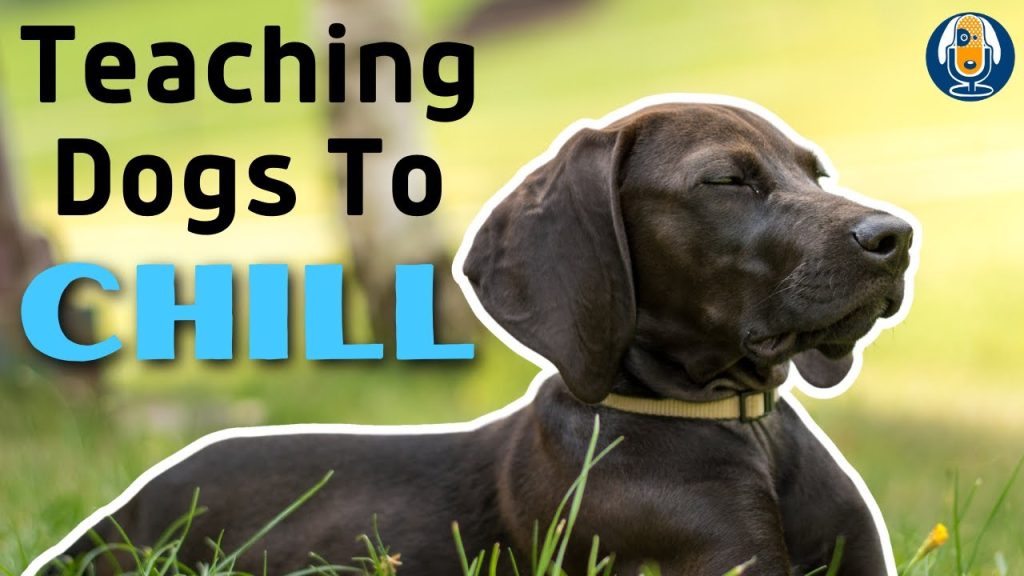
Effective Training Techniques for Easing Pet Anxiety
When it comes to addressing anxiety in pet animals, understanding and applying effective training methods can make a world of difference. Pet owners are often faced with a multitude of challenges in managing anxiety-related behaviors, but with the right approaches, they can create a more peaceful and supportive environment for their furry friends. This section delves into various calming techniques that can be seamlessly integrated into daily routines, promoting emotional stability and well-being.
Positive Reinforcement Training
Positive reinforcement is one of the most effective ways to manage anxiety in pets. This technique involves rewarding desirable behavior, thereby encouraging pets to repeat those behaviors. For instance, when your dog remains calm during a thunderstorm or appears relaxed in a bustling environment, providing treats or praise reinforces these moments of calm. By consistently rewarding your pet, you build their confidence and help them associate anxiety-triggering situations with positive outcomes rather than stress.
In Nigeria, where many households may have pets who are unaccustomed to the loud and chaotic sounds of city life, utilizing positive reinforcement can aid in reducing fear responses. For example, if you regularly encounter street noise or market crowds, take your pet on gradual exposure walks, rewarding them with treats and praise after navigating these experiences calmly. This method not only soothes anxiety but also fosters a stronger bond between pet and owner.
Implementing Desensitization Techniques
Another powerful method to tackle anxiety is through desensitization. This approach entails exposing your pet to the anxiety-inducing stimuli in a controlled and gradual manner. Initially, keep the exposure at a low level that does not trigger a strong response from your pet. For instance, if your dog is afraid of loud noises, begin by playing recordings of thunder or fireworks at a very low volume while engaging in a playful activity or offering treats. Slowly increase the volume over time—this gradual approach allows your pet to become accustomed to the sound without feeling overwhelmed.
- Start Small: Begin with stimuli at a minimal intensity; for example, low-volume recordings or distant sounds.
- Pair with Rewards: Always pair exposure with treats, praise, or play, reinforcing calm behavior.
- Be Patient: Progress at the pet’s pace, watching for signs of discomfort to adjust the exposure accordingly.
Through consistent application of desensitization methods, pets can learn to cope with environmental stressors, thereby enhancing their overall quality of life. This strategy is particularly valuable in a country like Nigeria, where sudden loud noises from festivities or bustling markets are common.
In conclusion, by incorporating positive reinforcement and desensitization into their training regimens, pet owners can take meaningful steps to mitigate anxiety in their beloved companions. These methods not only empower pets with coping skills but also strengthen the bond between owner and animal, paving the way for a harmonious living environment.
Training Techniques for Reducing Anxiety in Pets
When it comes to addressing anxiety in pets, employing effective training methods is essential. One popular technique is desensitization, where pets are gradually exposed to anxiety-inducing stimuli in a controlled environment. This approach allows animals to become accustomed to the situation without overwhelming them. For example, if a dog is afraid of loud noises, such as thunderstorms or fireworks, gradually playing recorded sounds at a low volume can help build their tolerance over time.Another common method is counter-conditioning, which involves changing a pet’s emotional response to a particular trigger. By associating the trigger with something positive, such as treats or praise, pet owners can help shift their animal’s fear to a more positive experience. For instance, during stormy weather, pet owners might offer their dog a favorite toy or a special treat to create a comforting environment.Additionally, the use of positive reinforcement techniques can significantly reduce anxiety. Rewarding desired behaviors—such as calmness during stressful situations—encourages pets to repeat those actions. This creates a sense of security and helps animals learn coping mechanisms for various stressors.Incorporating relaxation techniques, such as deep pressure therapy or massage, also plays a vital role in calming anxious pets. Training sessions can include short massage intervals, which help pets associate touch with relaxation. For example, certain breeds benefit greatly from soothing scruff massages, while others prefer gentle body rubs.Another effective practice is routine establishment. Pets thrive on consistency, and maintaining regular feeding, exercise, and playtime schedules can alleviate anxiety. By creating a predictable environment, pet owners help their animals feel more secure and in control of their space.Lastly, integrating environmental management techniques, such as providing a safe space or retreat within the home, can give pets a place to escape when feeling overwhelmed. This area should be quiet and filled with comforting items like blankets or toys, allowing pets to retreat and self-soothe in times of stress.By employing these training methods, pet owners can significantly mitigate anxiety in their furry companions, fostering a calmer, more stable environment. Discovering effective approaches tailored to an individual pet’s needs ensures a happier, healthier life for their beloved animals.
| Training Method | Benefits |
|---|---|
| Desensitization | Gradual exposure to stressors helps pets cope better. |
| Counter-conditioning | Associates triggers with positive experiences, reducing fear. |
| Routine Establishment | Maintains predictability, decreasing anxiety levels. |
| Positive Reinforcement | Encourages desirable behaviors, creating a sense of security. |
| Environmental Management | Provides safe spaces for pets to retreat and self-soothe. |
Innovative Approaches to Alleviating Anxiety in Pets
As pet owners continue to seek out effective solutions for anxiety in their animals, several innovative training methods are gaining popularity. These approaches not only focus on behavioral modification but also emphasize the importance of a supportive environment and mental stimulation for pets. Understanding these additional techniques can empower pet owners to provide comprehensive care for their anxious companions.
Environmental Enrichment
Environmental enrichment plays a vital role in alleviating anxiety among pets. This concept involves enhancing the pet’s surroundings to promote natural behaviors, thereby reducing stress. A well-designed environment can include interactive toys, climbing structures, and designated safe spaces that help pets engage mentally and physically. For instance, creating a “safe zone”—a cozy corner equipped with a bed, toys, and calming scents—serves as a retreat for pets when they feel overwhelmed.
In Nigeria, urban environments may present unique challenges, such as limited space or noise. However, even in smaller areas, pet owners can create stimulating environments by incorporating puzzle toys filled with treats, engaging in scent games, or arranging playdates with other friendly animals. These activities keep pets occupied and provide a constructive outlet for their energy, ultimately reducing anxiety levels.
Utilizing Calming Aids
Another effective strategy in the realm of anxiety reduction is the use of calming aids. Various products, such as calming collars, pheromone diffusers, and anxiety wraps, are designed to provide comfort for pets facing anxiety. These products often use synthetic versions of natural pheromones to create a comforting and familiar atmosphere, resembling the scents that pets associate with safety.
For example, dog owners in Nigeria may consider using pheromone diffusers designed for homes, particularly during high-stress situations like firework displays or neighborhood celebrations. Additionally, anxiety wraps, which provide a gentle, constant pressure around a pet’s torso, have been shown to help calm overly anxious dogs. Such aids complement behavioral training methods, fostering an overall supportive environment.
Mindfulness and Relaxation Techniques
Incorporating mindfulness and relaxation techniques into a pet’s routine can also significantly reduce anxiety. Just as humans benefit from practices such as deep breathing and meditation, pets can respond positively to calming exercises. Techniques such as gentle massage or slow, controlled breathing exercises during stressful situations can provide immediate relief for anxious animals.
- Massage for Relaxation: Regularly massaging your pet can help reduce tension and anxiety. Focus on areas like the neck and back, where pets often carry stress.
- Calm Breathing: When resting or after exercise, engage your pet in slow and soothing breathing exercises, which encourages relaxation and connection.
- Routine Establishment: Maintain a consistent daily routine for feeding, walks, and playtime, as predictability can soothe anxious pets.
In Nigeria, pet owners can explore online resources or local trainers who specialize in these techniques. Implementing mindfulness strategies can transform your pet’s experience of stress into moments of tranquility, allowing them to cope better with anxiety-inducing situations.
The integration of environmental enrichment, calming aids, and mindfulness practices provides a well-rounded approach to managing anxiety in pets. These innovative techniques bridge the gap between conventional training methods and holistic care, ensuring that pet owners can address their companion’s well-being from multiple angles.
Conclusion: Embracing Holistic Techniques for Anxious Pets
In conclusion, addressing anxiety in pet animals requires a multifaceted approach that combines understanding and empathy with innovative training methods. By integrating techniques such as environmental enrichment, calming aids, and mindfulness strategies, pet owners can create a nurturing atmosphere that significantly reduces stress and promotes overall well-being. The importance of engaging a pet’s environment cannot be overstated; it encourages healthy behaviors while providing a sense of security that anxious animals desperately need.
Calming aids, like pheromone diffusers or anxiety wraps, offer immediate relief, making them valuable tools in a pet owner’s arsenal. However, the lasting solution often lies in establishing a predictable routine and utilizing relaxation techniques akin to those used in human mindfulness practices. This approach not only soothes pets but also strengthens the bond between animals and their owners, fostering a trusting relationship that can mitigate anxiety triggers.
As a thriving community of pet lovers in Nigeria and beyond explores these avenues, the need to remain informed about the latest methods and resources is paramount. With continued education, research, and a commitment to holistic care, pet owners can transform anxious experiences into restful moments of tranquility. Empower yourself today with these effective approaches to ensure a happier, healthier life for your furry companions. By adopting and adapting these strategies, you can become the calm anchor your pet needs to navigate their world.