Transforming Recyclable Materials into Art: Sustainable DIY Projects
The Intersection of Art, Sustainability, and Innovation
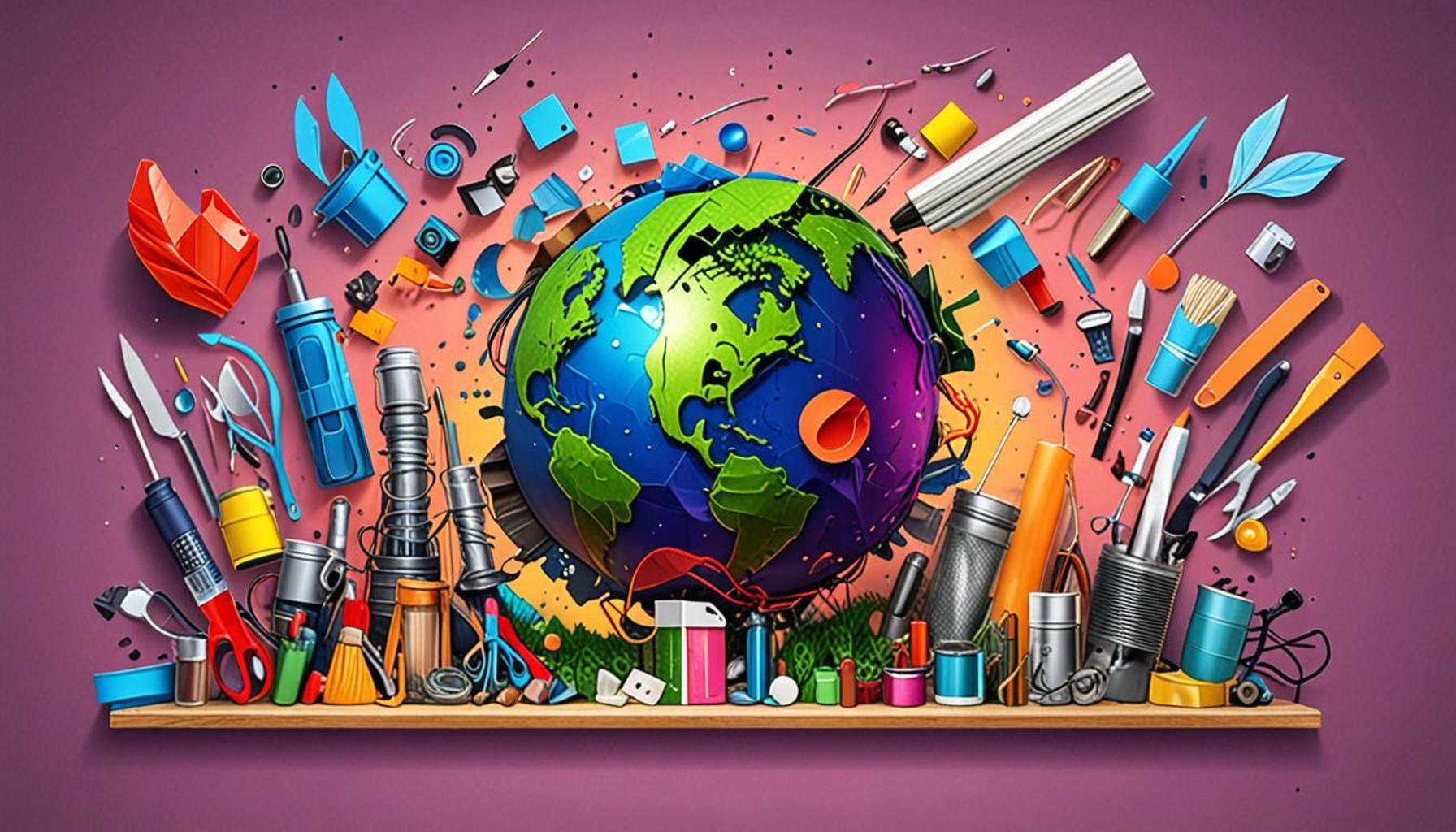
In an era where environmental consciousness is increasingly significant, the act of transforming recyclable materials into captivating art offers a dual advantage: promoting sustainability while igniting creativity. This practice not only enhances our living spaces but also uncovers the hidden potential within items that would otherwise contribute to our ever-expanding landfills.
There are numerous recyclable materials that can be repurposed artistically, each offering unique possibilities:
- Plastic bottles: These ubiquitous items can be creatively reshaped into elegant flower pots that brighten a porch or transformed into breathtaking chandeliers that refract light in colorful patterns. For instance, local artists in Nigeria have crafted decorative items from discarded bottles, which not only serve practical purposes but also initiate conversations about waste reduction.
- Cardboard boxes: With a little imagination, these easily found materials can become anything from intricate sculptures to vibrant wall art. In some Nigerian art communities, workshops are held where participants learn to create stunning designs from recycled cardboard, fostering collaboration and knowledge sharing.
- Old magazines: These can be used to create visually striking collages or serve as the foundation for paper-mâché projects. For example, many local artisans utilize the colorful pages of magazines to depict cultural narratives, showcasing stories that resonate deeply within Nigerian heritage.
In Nigeria, where waste management remains a pressing issue, engaging in sustainable DIY projects can lead to invigorating community initiatives. Creative workshops allow individuals to gather and share ideas, turning trash into treasure while raising awareness about environmental stewardship. By embracing locally sourced materials, the community not only contributes to cleaner surroundings but also fosters a culture of sustainability and resilience.
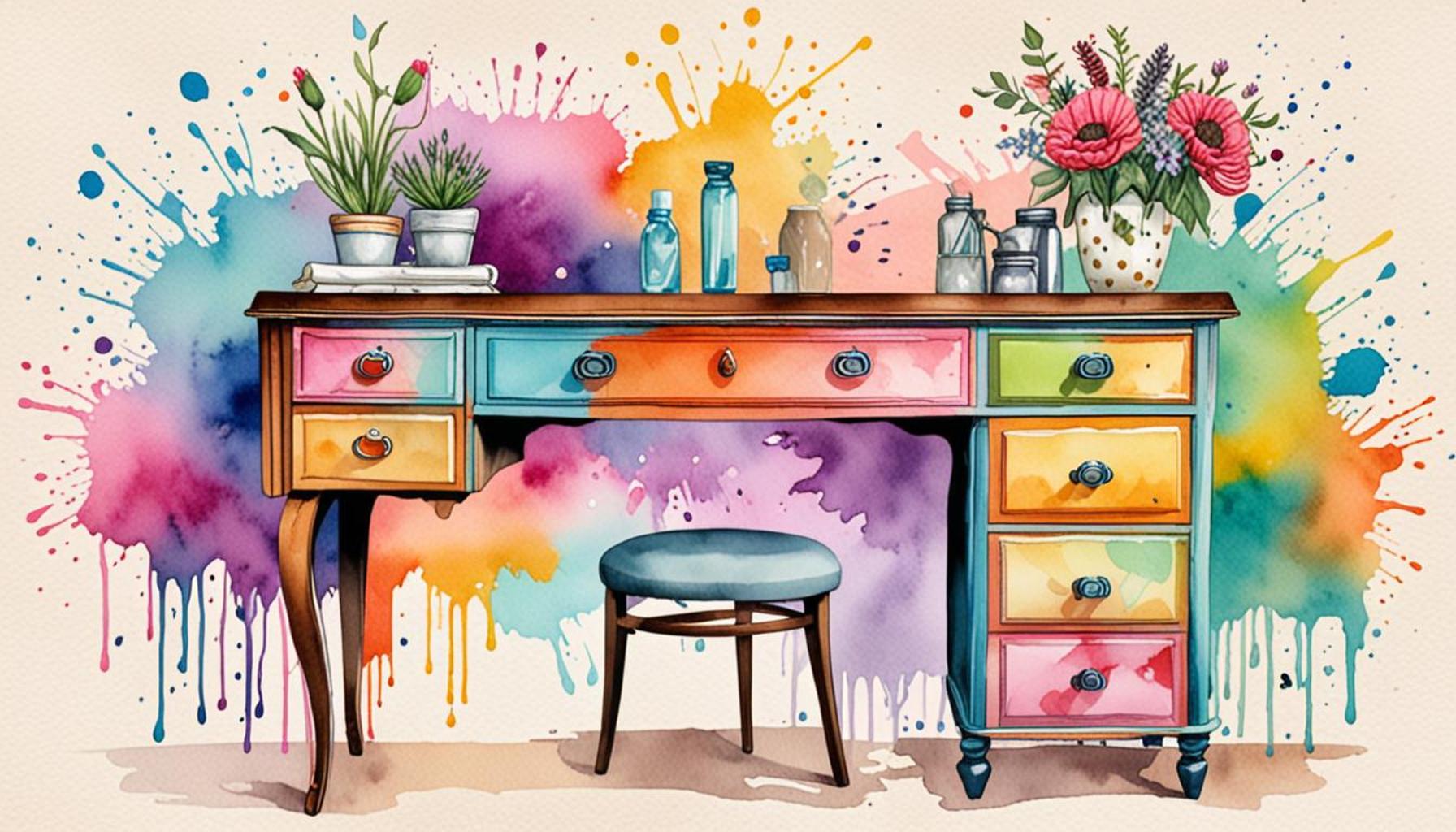
As we immerse ourselves in the world of reimagining waste into art, it becomes apparent that there are innovative techniques worth exploring. From upcycling furniture to creating an inspiring mural from waste materials, the opportunities are vast. Join us in this artistic journey, as we uncover exciting examples and techniques that not only challenge traditional perspectives on waste but also encourage us to find beauty in the unexpected.
Ultimately, the act of transforming recyclables into art serves as a reminder of the limitless possibilities that exist within our surroundings and the meaningful impact we can have on our environment. Each creative endeavor invites us to rethink waste, sparking a movement that can lead to both environmental and artistic revolution.
SEE ALSO: Click here to read another article
Unleashing Creativity: A Canvas of Recyclables
The world of transforming recyclable materials into art is an exciting frontier that encourages not only creative expression but also communal responsibility. In Nigeria, where the challenges of waste management loom large, the opportunity to breathe new life into discarded items presents a significant avenue for change. Each project not only aids in reducing landfill contributions but also offers a platform for artists and communities to tell their stories through innovative, sustainable practices.
From urban centers to rural villages, artists are harnessing DIY techniques to celebrate their cultural identities and address pressing environmental concerns. Engaging in these projects often results in the following benefits:
- Enhanced Environmental Awareness: By transforming waste into art, artists and community members raise awareness about recycling practices and the impact of littering in their neighborhoods.
- Skill Development: Workshops for creating art from recyclables empower individuals with skills in crafting, design, and critical thinking, which can lead to entrepreneurial ventures.
- Community Cohesion: Collaborative projects foster connections as individuals unite in their efforts to beautify their surroundings, nurturing a sense of pride and ownership over shared spaces.
Consider, for example, the vibrant street art that adorns many walls in areas like Lagos or Ibadan. Artists are utilizing recycled paint containers and other waste materials to create murals that reflect the rich tapestry of Nigerian heritage. These murals not only beautify urban landscapes but also serve as conversation starters about sustainability and environmental responsibility.
Additionally, the incorporation of recyclable materials into traditional crafts offers a bridge between the past and present. Artisans from various regions are experimenting with upcycled materials, leading to unique interpretations of age-old techniques. For instance, in places like Aba, local craftsmen are using discarded fabrics not only to create eye-catching fashion items but also to explore new storytelling avenues through each thread.
The possibilities are endless, yet they require a mindset shift. To truly maximize the potential of recyclable materials, individuals and communities must first recognize the value in what is typically seen as waste. This paradigm shift can be catalyzed through awareness campaigns and community workshops, which empower residents to reimagine their relationship with materials that have outlived their intended purpose.
As Nigeria grapples with issues such as plastic pollution and inadequate waste disposal systems, the call to action is clear: harness the power of art to inspire change. By creating breathtaking pieces from the remnants of daily life, we not only contribute to a cleaner environment but also spark joy and inspiration in the hearts of our communities. Through sustainable DIY projects, we can cultivate a culture that appreciates the beauty and potential inherent in our trash, illustrating that waste can indeed transform into wonder.
| Category | Details |
|---|---|
| Creative Expression | Transforming waste materials into art provides a platform to unleash your imagination, turning the mundane into the extraordinary. |
| Environmental Impact | Engaging in sustainable DIY projects reduces landfill waste, encouraging more eco-friendly habits while showcasing the importance of recycling. |
Sustainable DIY projects that focus on transforming recyclable materials into art not only encourage creativity but also foster a deep sense of responsibility towards our planet. Utilizing items that would typically be discarded allows individuals to create striking pieces that challenge societal norms about waste. Moreover, the act of creating is deeply therapeutic, providing a unique avenue for self-expression.This practice is increasingly becoming recognized in community spaces, from workshops to exhibitions, where artists and hobbyists alike showcase their creations made from recycled materials. Each piece tells a story, bridging the gap between environmental awareness and artistic innovation. Not only do these projects inspire individual creativity, but they also build community relationships around shared values of sustainability and craftsmanship.The surge in interest around upcycled art is a further testament to a growing movement that prioritizes the environment and encourages others to consider how they can contribute positively. As the conversation around sustainability grows, transforming recyclables into captivating art can spark intrigue and inspire others to explore the limitless possibilities within their own waste.
ADDITIONAL INSIGHTS: Expand your understanding here
Embracing Upcycling: From Waste to Wonder
As the movement towards sustainable living gains momentum, the concept of upcycling has emerged as a beacon of innovation in the world of art. This practice goes beyond recycling, infusing artistic spirit and functionality into items that might otherwise be discarded. In Nigeria, the vibrant upcycling culture is blossoming, showcasing that what may appear as garbage can transform into extraordinary creations that resonate with meaning and purpose.
Local artists and crafters are experimenting with a plethora of materials, including plastic bottles, tin cans, and even old electronics, breathing new life into them. For instance, in cities like Port Harcourt, artisans have started creating stunning sculptures from discarded plastic waste collected from the city’s coastline. These installations not only serve as reminders of the pervasive plastic pollution affecting marine ecosystems but also contribute significantly to raising awareness with visually striking representations that capture attention.
Additionally, communities across Nigeria are now coming together to host upcycling workshops, where participants learn to transform everyday items into functional art. These workshops often feature various projects, such as crafting sophisticated home décor from glass jars and using old newspapers to create unique paper mâché art pieces. This shift towards upcycling not only promotes environmental stewardship but also encourages individuals to flex their creative muscles.
- Innovative Fashion: The fashion industry is yet another field where recycled materials are making waves. Designers are utilizing bottle caps, old clothing, and fabric scraps to produce trend-setting outfits. In cities like Lagos, fashion shows spotlight the beauty of upcycled apparel, providing a platform for local designers to showcase the creativity that lies within waste.
- Functional Art: Items such as furniture made from reclaimed wood or metallic sculptures crafted from car parts exemplify functional artistry. Artisans are redefining how we perceive and use materials, proving that aesthetics and utility can coexist in harmony.
Moreover, upcycling not only contributes to environmental sustainability but plays a crucial role in supporting local economies. As individuals gain skills in transforming recyclables into art, they open pathways for new businesses, whether it’s creating bespoke pieces to sell at local markets or engaging in community art projects that draw tourism. Jewelry makers, for example, are creating exquisite pieces from old electronics, combining technology and artistry in a manner that speaks to the evolving narrative of modern craftsmanship.
The impact of these initiatives is palpable. Communities are witnessing an inspiring blend of artistic expression and social change, leading to a growing trend that emphasizes the importance of sustainability. By uniting individuals with a shared mission to repurpose waste, the conversation around environmental issues becomes more accessible and engaging. Recyclables transformed into art thus become not just individual creations but collective movements towards a greener future.
As artists continue to explore the delightful juxtaposition of creativity and sustainability, the challenge now lies with the broader community. To cultivate a lasting tradition of art from recyclables, collaboration between local governments, non-profit organizations, and private enterprises is essential. Together, they can establish platforms for workshops, exhibitions, and markets that foster an environment of learning, creating, and thriving on what society often overlooks.
In this way, the art of upcycling serves as a powerful testament to the potential of seeing beauty in discarded materials. Each crafted piece tells a story—of resilience, creativity, and the unwavering spirit of communities determined to embrace a sustainable future.
ADDITIONAL INSIGHTS: Expand your understanding here
Conclusion: A New Era of Art and Environmentalism
The journey of transforming recyclable materials into art represents a fusion of creativity and environmental awareness that is reshaping communities across Nigeria and beyond. As demonstrated through local artisans and community initiatives, this practice encourages people to view trash not as waste but as a canvas for innovation and storytelling. Through mediums ranging from vibrant fashion to functional furniture, the upcycling movement is proving that creativity knows no bounds when it comes to sustainability.
Moreover, as sustainable DIY projects gain traction, they serve not only to beautify spaces but also to instill a sense of responsibility towards our planet. The workshops in Nigerian cities highlight a growing consciousness about waste management, while also fostering skills that can lead to economic opportunities — it is a dual benefit that supports both artistry and local economies.
Importantly, the cultural significance of these artistic expressions cannot be overlooked. Each piece created from recyclables resonates with themes of resilience, identity, and communal effort, inviting viewers to reflect on the narratives buried within everyday materials. This new artistic lexicon encourages an ongoing dialogue about environmental stewardship, making green conversations more relatable and engaging.
As we move forward, it is essential for local governments, non-profits, and businesses to collaborate in amplifying this movement. By establishing platforms that promote workshops, art exhibitions, and eco-friendly markets, a culture of sustainability based on creativity can flourish. The call to action is clear: when we embrace the beauty of upcycling, we unlock not only a treasure trove of potential artworks but also foster a more sustainable, united future.