Warning signs: how to identify common diseases in dogs and cats
Understanding Your Pet’s Health
As a pet owner, being aware of your furry friend’s health is crucial. Many common diseases in dogs and cats can be identified early by observing behavioral and physical changes. Detecting these warning signs can significantly impact the course of treatment and the speed of recovery, ensuring that your beloved companion enjoys a longer, happier life. With the right approach and knowledge, you can become your pet’s best advocate when it comes to health and wellness.
Common Symptoms to Watch For
Identifying health issues in your pets can sometimes be challenging. Here are a few common symptoms that may indicate underlying diseases:
- Vomiting or Diarrhea: Frequent digestive issues can signal infections, food allergies, or dietary problems. For instance, if you notice your dog frequently vomiting after meals or your cat has diarrhea that lasts more than a day, it may be time for a vet visit.
- Changes in Appetite: A sudden increase or decrease in food intake can hint at illnesses. If a usually enthusiastic eater suddenly refuses food, or alternatively, begins to beg for food excessively, these changes can indicate serious health issues, including dental problems or metabolic disorders.
- Lethargy: Noticeable fatigue or reluctance to play may suggest various health concerns. For example, if your energetic puppy prefers lying down instead of chasing its favorite ball, it might be dealing with an underlying condition that needs to be assessed.
Behavioral Changes
Behavioral shifts can also serve as important indicators of health issues. Pay attention to signs like:
- Excessive Thirst: An increase in water consumption could point to issues like diabetes or kidney disease. If your pet is constantly refilling its water bowl, don’t hesitate to consult a veterinarian.
- Isolation: If your pet is hiding, it may be experiencing pain or discomfort. In Nigerian culture, pets are part of the family, and when they start withdrawing from interaction, it’s often a sign that something is amiss.
- Unusual Vocalizations: Any changes in how your pet communicates may require attention. For example, if your cat begins to meow unusually or your dog barks excessively, it could be a call for help or discomfort.
Being proactive in monitoring your pet’s health can lead to timely veterinary intervention. Recognizing these warning signs fosters a deeper relationship between you and your pet and enables you to ensure a long, healthy life for your companions. Additionally, constructing a routine that includes regular vet check-ups, a balanced diet, and proper exercise can further safeguard against potential issues.
In conclusion, making small adjustments and being observant can make a big difference to your pet’s health. Connecting with local veterinary services in Nigeria can provide additional resources, helping you navigate the world of pet health effectively.
Recognizing Physical Signs of Illness
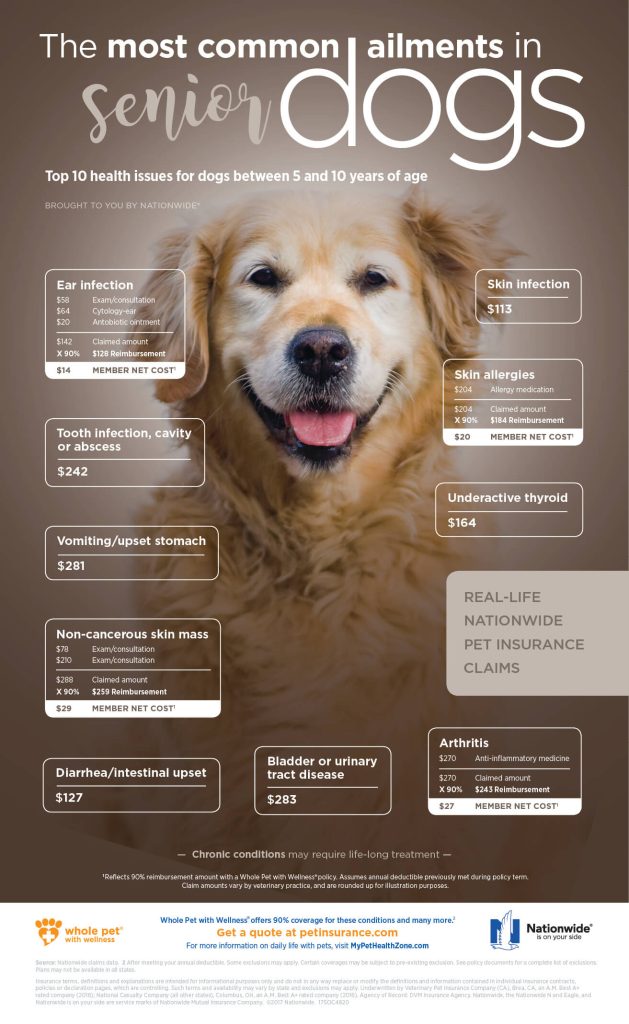
When it comes to your dog’s or cat’s health, physical symptoms often serve as the first line of alert. By being vigilant and observant, you can catch early warning signs that may indicate a more serious underlying condition. Here are some specific physical symptoms to be mindful of:
- Skin Issues: Changes in your pet’s coat, such as excessive shedding, bald patches, or the presence of sores, can signify allergies, infections, or even parasitic infestations like fleas or ticks. Look for redness or inflammation as well, which might indicate a more serious dermatological condition.
- Weight Changes: Unexplained weight loss or gain can be alarming. If your cat seems to be growing gaunter or your dog is gaining weight despite normal feeding habits, these changes could point to issues ranging from hormonal imbalances to infections.
- Changes in Breathing: Any alterations in your pet’s breathing pattern, such as coughing, wheezing, or labored breath, warrant immediate attention. Respiratory problems can stem from a variety of conditions, including allergies, pneumonia, or heart disease.
Monitoring Your Pet’s Hygiene
A pet’s hygiene can often tell you a lot about its health status. In many Nigerian homes, pets share familial spaces, and observing their grooming behavior can reveal signs of distress:
- Poor Dental Care: Bad breath, excessive drooling, or difficulty eating may indicate dental disease, which is common but often overlooked. Maintaining oral hygiene is crucial, so keep an eye on your pet’s teeth and gums.
- Eye Discharge: If you notice unusual discharge from your pet’s eyes, it may be a sign of allergies, infections, or other serious health concerns. Clear, healthy eyes should have minimal discharge, so be alert to changes.
- Unpleasant Odors: A sudden odor, whether from the skin, ears, or mouth, can signify underlying infections or gastrointestinal issues. Don’t ignore these smells, as they often indicate something is wrong.
Monitoring these physical signs and maintaining consistent hygiene checks can greatly enhance your ability to catch diseases early. Remember, the sooner you identify a potential health issue, the better the odds of effective treatment. Developing a routine health check for your pets can solidify this proactive approach, allowing you to engage more effectively with local veterinary services in Nigeria to secure the health and well-being of your cherished companions.
By incorporating these practices into your pet care, you’re not only improving their quality of life but also strengthening the bond you share, ultimately leading to a happier, healthier journey together.
| Category | Description |
|---|---|
| Behavioral Changes | Unusual lethargy, aggression, or withdrawal can indicate underlying health issues. |
| Physical Symptoms | Look for symptoms like vomiting, diarrhea, or persistent coughing, which may signify illness. |
| Weight Fluctuations | Sudden weight loss or gain can hint at metabolic or endocrine disorders. |
| Skin and Coat Health | Dull fur or frequent scratching can point to allergies or infections. |
Understanding the warning signs of common diseases in dogs and cats is crucial for timely intervention. Regular monitoring of behavior can reveal significant changes pointing to health issues. For instance, if a normally playful pet suddenly becomes withdrawn or aggressive, this could signal distress or illness. Furthermore, physical symptoms like frequent vomiting and diarrhea should not be overlooked, as they are indicative of potential gastrointestinal problems.Additionally, keeping an eye on your pet’s weight is vital. Weight fluctuations can often be the first visible indicators of metabolic disorders such as diabetes or hyperthyroidism. Lastly, the condition of a pet’s skin and coat can be a window into their overall health, with dullness or excessive scratching often pointing to allergies or parasitic infections.By noticing these signs early, pet owners can ensure they seek veterinary advice promptly, thus improving their furry companions’ health and well-being. Exploring this further can lead to effective management strategies and enhance the quality of life for pets everywhere.
Behavioral Indicators of Illness
In addition to physical signs, your pet’s behavior can serve as a crucial indicator of their health status. Animals instinctively hide discomfort, making it essential for pet owners to pay attention to subtle changes in behavior. Here are some behavioral signs to watch out for:
- Change in Appetite: A sudden increase or decrease in your pet’s eating habits may be alarming. While cats and dogs can occasionally be picky eaters, a persistent lack of interest in food could indicate dental issues, gastrointestinal problems, or systemic diseases like kidney dysfunction. Keep track of their eating routine to spot any irregularities.
- Unusual Lethargy: If your pet is much less active than usual, it may point to underlying health issues. While age can contribute to decreased energy levels, conditions such as arthritis, diabetes, or even infections might also trigger lethargy. Pay attention to their playfulness and eagerness to engage with family members.
- Altered Social Interactions: Changes in how your pet interacts with family or other pets are often telltale signs. If your normally sociable dog begins hiding or your cat retreats from playful activities, stress, anxiety, or underlying health conditions may be at play. Look for attempts to seek solitude or aggression that may indicate discomfort or fear.
Understanding Bathroom Habits
Your pet’s bathroom habits can also be a mirror reflecting their health. Monitoring changes in urination and defecation can alert you to potential health issues:
- Changes in Urination: An increase in frequency or sudden accidents in the house might suggest urinary tract infections, kidney issues, or diabetes, particularly in cats. On the other hand, straining to urinate or blood in the urine should never be ignored and requires immediate veterinary attention.
- Altered Bowel Movements: Consistency issues such as frequent diarrhea or constipation can stem from dietary changes, infections, or internal blockages. Diarrhea might indicate a simple upset stomach, but if it persists, it could lead to dehydration—a serious condition for pets. Keep track of their stool for any abnormalities.
Recognizing Vocalization Changes
Another key area to consider is the sounds your pet makes. The way your dog barks or your cat meows might express more than simple communication:
- Excessive Barking or Meowing: Pets with pain or discomfort may vocalize more than usual to express their distress. This increase in vocalization is often coupled with changes in body language and should be noted. Pay attention if your normally quiet pet begins to make more noise.
- Weak or Altered Sounds: If your cat or dog struggles to bark or meow, it could signal respiratory issues or throat problems. A change in the quality of their vocalizations is often an essential warning signal, and you should consult your veterinarian.
As an attentive pet owner, understanding these behavioral signs can significantly empower your ability to detect potential illnesses. Regular observation of your pet’s daily routines, their interactions, and how they utilize their environment can be instrumental in maintaining their health and well-being. Reporting these observations to your veterinarian can provide additional insights to help diagnose any health concerns early, paving the way for prompt, effective care for your beloved animal companions.
Conclusion
In conclusion, being vigilant about your pet’s health is an integral aspect of responsible pet ownership. Recognizing the warning signs that indicate possible health issues in dogs and cats can make a world of difference in ensuring timely medical interventions. Paying attention to behavioral shifts, changes in appetite, alterations in bathroom habits, and unusual vocalizations serves as your pet’s way of communicating their needs and concerns. These signs, though sometimes subtle, can provide invaluable insights into their overall health.
As pet owners in Nigeria, where access to veterinary care might vary, it is crucial to develop a keen awareness of your pet’s normal routines. Documenting any significant changes and reporting them to your veterinarian can facilitate early diagnosis and treatment of common diseases, ranging from infections to chronic conditions like diabetes and arthritis. Moreover, proper nutrition, regular exercise, and routine veterinary check-ups play vital roles in maintaining your pet’s physical and mental well-being.
By fostering an environment of understanding and observation, you not only enhance your pet’s quality of life but also strengthen the bond between you and your furry companions. Always remember, being alert to the warning signs of illness is not just about treating symptoms; it’s about nurturing a healthier and happier life for your pets. Stay informed, stay proactive, and ensure that your beloved dogs and cats live long, joyful lives by identifying health issues before they escalate.