Zoonotic Diseases Impact on Public Health in Nigeria A Crucial Look

The intersection of animal health and human welfare is increasingly becoming a focal point for public health discussions worldwide. In Nigeria, the impact of zoonotic diseases, which are transmitted from animals to humans, poses significant threats to communities and healthcare systems. As pet ownership rises in urban areas, understanding these diseases becomes crucial, not just for veterinarians, but for every citizen.
Why Zoonotic Diseases Matter
With a rich diversity of wildlife and domestic animals, Nigeria is uniquely vulnerable to various zoonotic pathogens. Some key considerations include:
- Increased Human-Animal Interaction: More pets and livestock contribute to higher exposure rates.
- Economic Impact: Diseases can hinder agricultural productivity and escalate healthcare costs.
- Public Awareness: Many remain unaware of the risks, underlining the need for education and preventive measures.
Get Ready to Discover
This article explores the ramifications of zoonotic diseases on Nigeria’s public health landscape. Join us as we unveil the Top 5 zoonotic diseases affecting the nation, dissecting their origins, impacts, and the urgent response needed to mitigate their prevalence.
Top 5 Impacts of Zoonotic Diseases on Public Health in Nigeria
The intricate relationship between human and animal health is an area of deep concern and scrutiny, particularly in regions like Nigeria where zoonotic diseases pose a pervasive threat. These diseases, which shift from animals to humans, hold the power to disrupt public health systems thoroughly. Through exploring the top five ways zoonotic diseases impact public health in Nigeria, this article sheds light on why awareness and proactive measures are essential.
5. Economic Burden on Healthcare Systems
Zoonotic diseases place a considerable economic burden on Nigeria’s healthcare systems. The financial implications extend beyond immediate medical costs, affecting the very backbone of healthcare service provision.
- Direct Costs: Financial expenditures associated with direct healthcare interventions for zoonotic diseases are substantial. This includes costs for hospitalization, medication, and diagnostic testing—expenses that are often beyond the reach of low-income individuals and communities.
- Indirect Costs: The economic impact is equally felt through productivity losses. Individuals suffering from zoonotic diseases may be unable to work, thereby affecting economic productivity and stability within their communities. Agricultural sectors, which are often reliant on animal farming, face significant losses, compounding the financial woes.
The spiral of healthcare spending necessary for prevention, treatment, and control of zoonotic diseases highlights the need for the Nigerian government to distribute resources wisely. Investments in healthcare infrastructure, training, and preventive measures must be prioritized to curtail these costs effectively.
4. Increased Disease Spread in Urban Areas
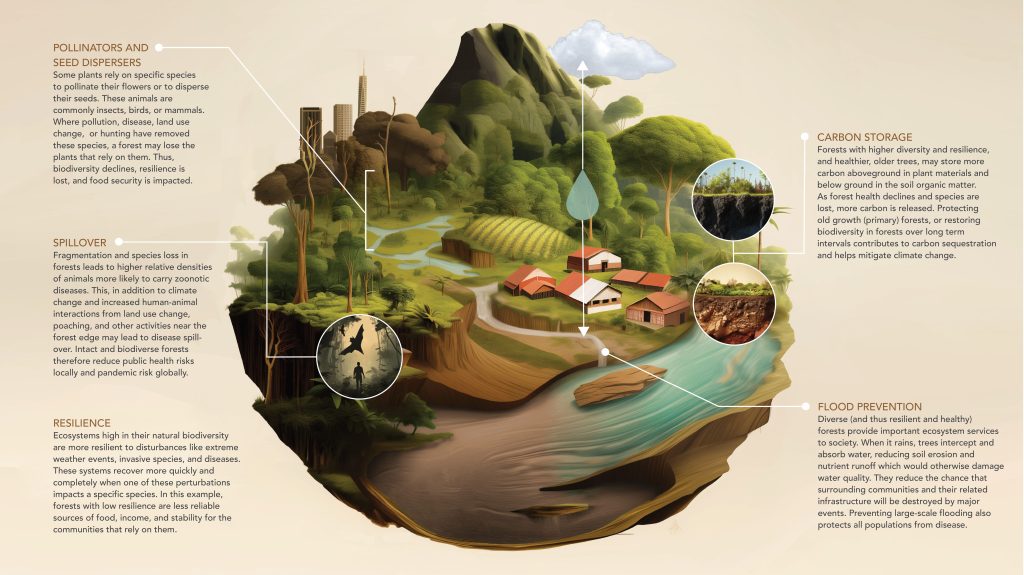
Urbanization, a burgeoning trend in Nigeria, brings with it increased interaction between humans and animals, acting as a catalyst for zoonotic disease transmission. The surge of informal settlements and bustling markets only amplifies this reality.
- Close Proximity: In densely populated urban settings, people often live in close proximity to both domestic and wild animals. This proximity heightens the risk of diseases making the leap from animals to humans, especially viruses and bacteria easily transmitted through contact.
- Market Conditions: Many Nigerian markets operate under unsanitary conditions, providing perfect breeding grounds for pathogens. The sale and slaughter of animals within these markets further facilitate the spread of zoonotic diseases, posing significant health risks to market-goers and vendors alike.
This urban dynamic demands a proactive stance. Routine public health education campaigns, improved sanitation, and strategic surveillance are vital measures that can help control outbreaks before they spiral into full-scale crises.
3. Public Health Infrastructure Strain
Zoonotic diseases test the resilience of Nigeria’s public health infrastructure. Frequent outbreaks necessitate swift responses, often exposing the vulnerabilities within these systems.
- Preparedness Challenges: The repetitive nature of disease outbreaks underscores a pressing need for enhanced surveillance systems. An early warning system, with its roots in effective disease tracking and reporting mechanisms, could prove transformative in the management of zoonotic threats.
- Risk Management: Resources that should ideally support routine health services are frequently diverted to counter emergencies. This diversion compromises the delivery of essential healthcare services, leaving the system frail and underprepared for future crises.
A resilient healthcare system, fortified with robust infrastructure and comprehensive risk management plans, is imperative for Nigeria to effectively navigate the challenges posed by zoonotic diseases.
2. Impact on Vulnerable Populations
The effects of zoonotic diseases disproportionately affect Nigeria’s vulnerable populations, specifically those residing in rural and impoverished communities. Their heightened exposure and limited resources intensify their susceptibility.
- Limited Access to Healthcare: In remote and impoverished areas, access to essential medical services is often scant. This lack of access means many cases of zoonotic diseases go untreated, fostering conditions for further spread.
- Education Gaps: A significant barrier to zoonotic disease control is the gap in public health education. Many rural communities lack awareness regarding zoonotic diseases and the necessary preventive practices, exacerbating the problem.
Addressing these social determinants of health through education, improved healthcare access, and community-driven initiatives will reduce the impact of zoonotic diseases on Nigeria’s most at-risk citizens.
1. High Public Health Risks from Emerging Zoonotic Diseases
The relentless emergence of new zoonotic diseases presents a formidable challenge to public health in Nigeria. The potential evolution from local outbreaks to global pandemics necessitates urgent intervention.
- Global Health Implications: The cases of Lassa fever and Ebola, and more recent zoonotic strains of the coronavirus, highlight how local outbreaks can evolve into health emergencies with global ramifications, demanding international cooperation and coordinated responses.
- Increased Surveillance Needs: A crucial component in combatting zoonotic threats lies in improved animal health surveillance. Investments in research and monitoring systems are vital to anticipate and mitigate potential outbreaks effectively. Collaboration between veterinary and human health sectors, known as the One Health approach, can be pivotal.
Adopting comprehensive strategies that incorporate health education, community engagement, and scientific research can curb the impact of zoonotic diseases, safeguarding public health in Nigeria.
In conclusion, zoonotic diseases represent a significant public health challenge in Nigeria, necessitating concerted efforts from health authorities, community leaders, and individuals. Recognizing and understanding the impacts of these diseases on public health is crucial for formulating policies and implementing proactive measures. Such steps are indispensable to combat the spread of zoonotic diseases and ensure the health and well-being of Nigerian communities.
| Category | Overview |
|---|---|
| Public Health Risks | Zoonotic diseases pose a serious threat to human health in Nigeria, leading to increased morbidity and mortality rates. A significant number of these diseases, such as Ebola and Lassa fever, stem from animal interactions. |
| Economic Impact | The economic burden of zoonotic diseases is substantial, affecting productivity and healthcare costs. Farmers and communities bear the brunt, with livestock losses impacting food security. |
| Epidemiological Awareness | Understanding the epidemiology of zoonotic diseases is crucial. Surveillance systems need to be strengthened to detect outbreaks early and mitigate their spread through appropriate public health interventions. |
| Intervention Strategies | Effective intervention strategies, such as vaccination and public education on zoonotic diseases, can significantly reduce transmission risks and improve community health outcomes. Raising awareness among the populace is instrumental in these efforts. |
Frequently Asked Questions about the Impact of Zoonotic Diseases on Public Health in Nigeria
What are zoonotic diseases?
Zoonotic diseases are infections transmitted from animals to humans. They can be caused by a range of pathogens, including bacteria, viruses, and parasites. Some of the most notable zoonotic diseases affecting humans include Ebola, rabies, and avian influenza. Understanding these diseases is crucial because they represent a significant portion of all infectious diseases in humans and can pose severe public health challenges.
How do zoonotic diseases impact public health in Nigeria?
In Nigeria, zoonotic diseases have a profound impact on public health due to the country’s diverse ecosystems and agricultural practices, which create hotspots for zoonotic transmission. These diseases can overwhelm healthcare systems, lead to significant economic losses, and contribute to food insecurity. Zoonotic diseases can also exacerbate existing health issues by burdening healthcare infrastructure and diverting resources from other essential services.
Which zoonotic diseases are most prevalent in Nigeria?
Some of the most prevalent zoonotic diseases in Nigeria include Lassa fever, avian influenza, and rabies. Lassa fever, endemic to West Africa, is particularly concerning due to its potential for outbreaks and high fatality rates. Rabies, often spread through domestic animals like dogs, is another persistent threat. Monitoring and understanding the prevalence of these diseases are crucial for developing effective public health interventions.
What measures are in place to control zoonotic diseases in Nigeria?
Nigeria has initiated several strategies to control zoonotic diseases, including the establishment of surveillance systems and public health campaigns. The Nigerian government, in collaboration with international organizations, has pursued vaccination programs, awareness campaigns, and improved diagnostic capabilities to detect and respond to outbreaks quickly. Continued investment in these areas is critical to managing and mitigating the impact of zoonotic diseases effectively.
How can individuals help prevent the spread of zoonotic diseases?
Individuals play a vital role in preventing zoonotic diseases by practicing good hygiene, such as regular handwashing and safe animal handling practices. It is also important to ensure pets receive regular vaccinations, particularly against rabies. Public awareness and education on how to avoid contact with potential sources of zoonotic pathogens can significantly reduce transmission rates and protect public health.
Conclusion
The exploration of the impact of zoonotic diseases on public health in Nigeria unveils a complex interplay of factors that cannot be understated. In understanding these diseases, we must acknowledge their profound influence on both human and animal health, creating a pressing need for robust public health strategies. Zoonotic diseases, which constitute a significant portion of emerging infectious diseases, present a continuous threat due to Nigeria’s vast biodiversity and increasing interaction between humans and animals.
In this light, the article stresses the critical importance of the One Health approach, an integrated effort that seeks to balance and optimize the health of people, animals, and the environment. Such strategies underscore the role of pets in the epidemiology of zoonotic infections and highlight the need for comprehensive education campaigns targeting pet owners. This approach not only mitigates risks but also promotes a healthier coexistence with the diverse wildlife that thrives in Nigeria.
Furthermore, the article underscores the necessity of enhancing veterinary services and laboratory capabilities in Nigeria. Improvements in these areas are vital for the early detection and management of zoonotic outbreaks, ultimately safeguarding public health. Strengthening cross-sectoral collaborations and building capacity for effective disease surveillance are crucial steps that require continued attention and investment.
As we reflect on these points, it’s clear that addressing the impact of zoonotic diseases is not merely an option but a necessity. The convergence of human and animal health with environmental consideration must remain a top priority. The future of public health in Nigeria hinges on how effectively these challenges are navigated. For pet lovers and owners, understanding the implications of zoonoses is equally important in fostering community health and preventing escalation of diseases. As such, continued awareness and proactive measures can empower individuals and communities to contribute to a healthier society.